AI, Automation and Delivery Apps: What Food-Tech Layoffs Mean for Canada
Canadian food-tech layoffs signal structural change as AI, automation and delivery apps reshape which skills the sector pays for. Here's the practical read.
Updated
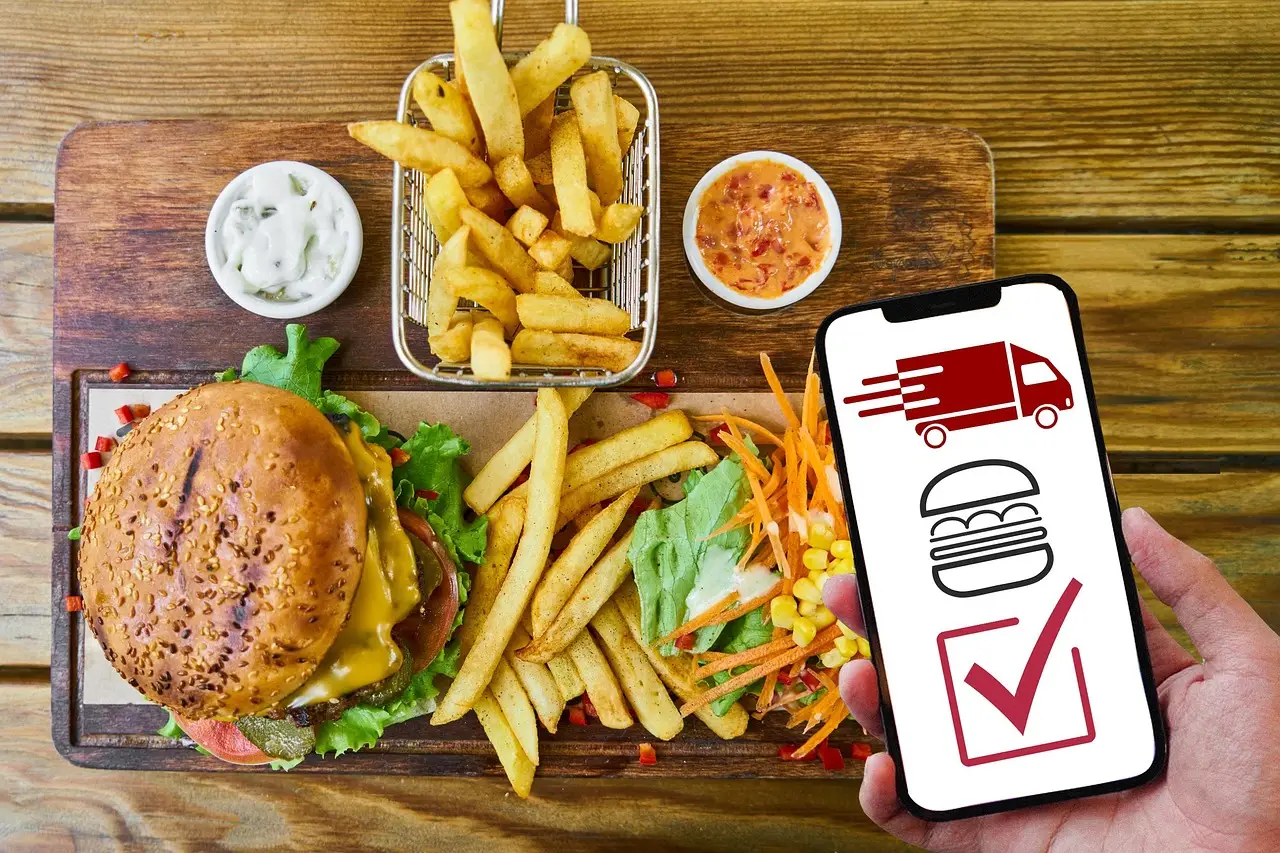
Canada's food-tech sector is cutting jobs as AI, automation and delivery apps reshape how the industry hires. That's the story Digital Journal's editorial team is tracking, and it lands at a moment when practitioners across the sector need to know what actually changes for them.
The headline names three forces at once: AI, automation, and delivery apps. Each one hits a different layer of the food-tech labor market. And each one changes the value of specific skills, not just headcounts.
What's driving the layoffs?
Food-tech — the cluster of companies building technology for food production, distribution, restaurant operations and delivery — has been consolidating after years of expansion. The Digital Journal piece frames the cuts as structural rather than cyclical. That distinction matters.
Cyclical layoffs mean roles come back when demand returns. Structural layoffs mean the roles themselves get redesigned around AI and automation. For workers, the difference is everything. A cyclical cut is a waiting game. A structural cut is a reskilling decision.
Delivery apps sit at the center of this. They've compressed margins for restaurants, pushed operational tech into kitchens, and shifted labor from in-house service roles toward platform-mediated gig work. AI compounds that shift — in demand forecasting, routing, customer service and back-office processing.
Who's exposed, and who isn't?
Without over-reading a single report, the pattern Digital Journal identifies follows the broader automation logic:
- Repetitive processing roles — scheduling, order triage, basic customer support — face the highest substitution risk as AI tools handle routine volume.
- Operations and logistics roles get restructured around delivery platforms rather than eliminated outright.
- Technical and product roles — people who build, integrate and maintain the automation itself — remain the demand side of the equation.
That's the standard automation asymmetry: the technology displaces tasks at the routine end while concentrating value at the design end.
What does this mean for an individual's market position?
If you work in Canadian food-tech, the practical read is this. Your job title matters less than the task composition underneath it. A role that's 70% routine processing carries more risk than a role that's 30% routine, even if the titles look similar on paper.
The sector's pivot rewards two moves. First, get closer to the automation stack — the tools doing demand forecasting, routing and order management — because proximity to the technology tends to protect and raise compensation. Second, treat platform fluency, meaning hands-on experience with delivery-app ecosystems and their data, as a portable asset rather than an employer-specific skill.
None of this is motivational framing. It's how labor markets typically repriced skills during earlier automation waves in logistics and retail, and the Digital Journal analysis points in the same direction for food.
What to watch next
Digital Journal's framing suggests the layoffs are a transition signal, not a terminal one. Watch whether the cuts cluster in operations-heavy companies or spread to product teams — that separation will tell you whether Canada's food-tech sector is automating its back office or shrinking its core. For now, the sector is realigning around AI and delivery platforms, and the workers best positioned for what comes next are those already building with both.
Source: Google News: Layoffs
More from Daniel Okafor
Show full bio
News editor covering regulation, policy and their impact on Job market data and labor economics at Path & Pay.
475 articles
Go deeper
- Tech Layoffs in 2026: Xbox, Apple, Oracle, Uber and Meta Are All Cutting
- Tech Layoffs Eclipse 2025 Pace as AI Spending Reshapes Big Tech Budgets
- Kroger to Cut 3,000 Corporate Jobs Over Three Years in AI Push
- Kroger to Cut 3,000 Corporate Roles Over Three Years as AI Push Deepens
- Digital Economy Jobs Outpace Canada's Wider Labour Market: Report