Apple's New CEO Ternus Weighs Layoffs as Memory Costs Bite
Apple CEO John Ternus plans targeted layoffs and project cancellations as memory chip costs climb and services revenue posts its first quarterly drop since 2022.
Updated
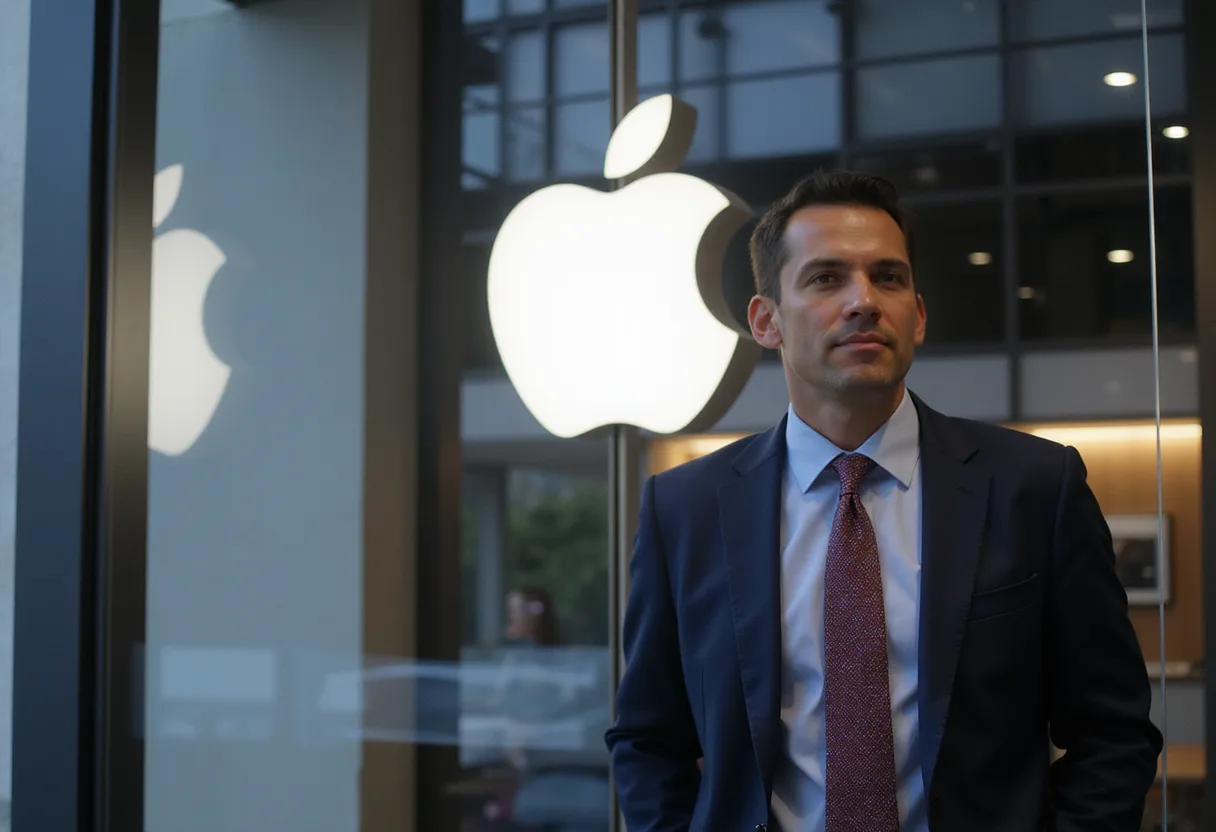
Apple's incoming CEO John Ternus is reportedly planning layoffs across the company, ranging from small headcount reductions within large teams to outright project cancellations, according to a Bloomberg report published September 29. The moves come as the company faces its tightest cost squeeze in years: services revenue fell quarter over quarter in June for the first time since 2022, while memory chip prices are climbing at a rate outgoing CEO Tim Cook described as a "100-year flood."
For Apple's roughly 160,000-strong workforce and the broader Silicon Valley labor market, the plan signals that even the industry's most cash-rich employer is now managing headcount defensively rather than expansively.
Cost pressure from two directions
"Money pressure is coming from 2 directions: a memory shortage is raising component costs, and services revenue fell quarter over quarter in June for the first time since 2022," tech expert Rohan Paul wrote on X.
Apple issued cautious revenue guidance for the current quarter in late July, largely because it cannot source enough memory chips to meet demand. Profit margins came under significant pressure in the most recent quarter compared with the preceding one, driven by higher memory costs.
"On the pricing front, we reluctantly raised prices, I would say," Cook said on his final earnings call. "We did it because we're in what I would characterize as a 100-year flood on the memory pricing, with exponential increases in memory prices."
Why memory is scarce
The shortage reflects a structural shift in the semiconductor supply chain. Demand for high-bandwidth memory (HBM) and advanced DRAM used in AI servers continues to outpace supply. SK Hynix, Samsung Electronics, and Micron have largely sold out their premium AI memory capacity through much of 2026, as Nvidia, Microsoft, Amazon, and Meta race to build AI infrastructure.
That buying wave has pushed memory prices sharply higher and handed suppliers greater pricing power after several years of weak industry conditions. Experts expect memory supply to remain constrained into 2027 — meaning Apple's component costs are unlikely to ease soon, and the squeeze that motivated Ternus's restructuring will persist into at least the second full year of his tenure.
Cook himself expected the problem to last, saying the flood "won't be receding anytime soon."
What it means for workers
The Bloomberg report does not specify total job numbers, and the cuts described are targeted — trimming within large teams and canceling projects rather than sweeping division-level reductions. That distinction matters for anyone evaluating their position at Apple or interviewing there.
Employees attached to projects that do not directly support revenue or the new CEO's operational priorities — a leaner, faster-running company, per the report — face the highest exposure. In past tech restructuring cycles, project cancellations typically generated more displacements than the headline layoff figures suggested, because contractors and adjacent teams rarely appear in official counts.
For hardware and supply chain roles, the calculus differs. The memory shortage is a sourcing problem, not a demand problem; Apple's constraint is that it cannot buy enough chips, not that customers have stopped buying iPhones. Roles tied to supplier negotiation, component engineering, and cost management gain strategic weight in this environment.
There is also a macro read. If layoffs help Apple offset memory pricing pressure, they could spare the company from more significant price hikes in 2027 — a trade-off between labor costs and consumer prices that economists have watched play out across the hardware sector this cycle.
Signals from the top
New CEOs frequently cut jobs early in their tenure, partly to signal higher standards to the organization and partly to align the business with their own vision. In Ternus's case, the reported cuts appear less about messaging and more about arithmetic: rising component costs, slipping services revenue, and margins that need defending.
The report suggests Ternus intends to run Apple faster and leaner. Whether the targeted cuts stay small or expand will likely depend on one variable outside the company's control — memory prices, which suppliers control and which analysts expect to stay elevated into 2027.
Original: finance.yahoo.com
More from Sophie Lindqvist
Show full bio
Staff writer covering regulation, policy and their impact on Job market data and labor economics at Path & Pay.
504 articles