Australia's Unemployment Rate Held at 4.6% in September
Australia's unemployment rate is forecast to hold at 4.6% in September, a five-year high. Here's what that means for job seekers and employers.
Updated
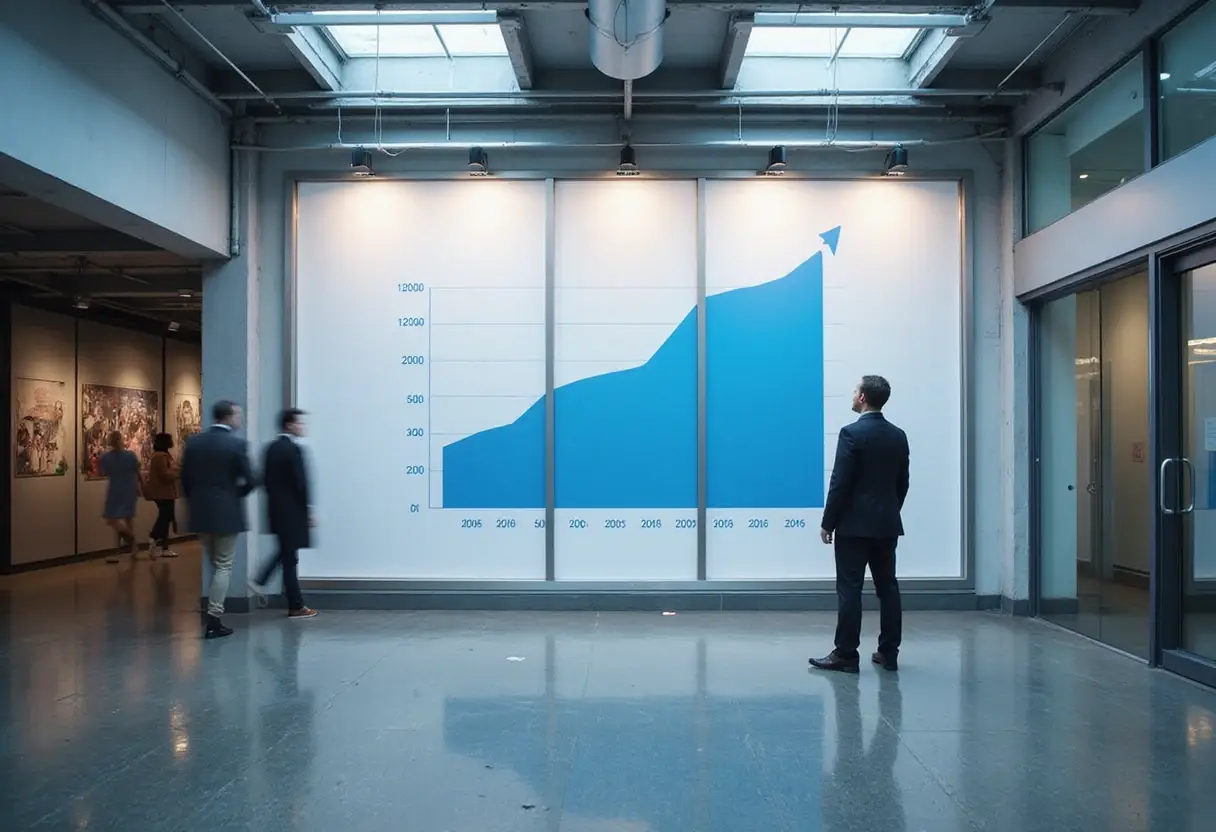
Australia's unemployment rate is set to hold at 4.6% for September, matching a five-year high, according to the forecast reported by FXStreet. That single number frames the September labour-market print (the monthly jobs report from the Australian Bureau of Statistics). For job seekers and employers, it signals a market that has cooled from its post-pandemic tightness but hasn't broken.
What does 4.6% actually mean?
The unemployment rate measures the share of the labour force actively looking for work but not currently employed. At 4.6%, Australia sits at its highest level in five years. The September forecast implies no deterioration from the prior month — a plateau, not a slide.
A plateau matters. It suggests the labour market may be stabilising after a period of gradual loosening. Economists watch whether the rate repeats, rises, or falls, because each outcome points to a different trajectory for hiring, wages and interest-rate decisions in the months ahead.
What does this mean for your market position?
For individual workers, the difference between 4.4% and 4.6% unemployment is not abstract. Each tenth of a percentage point represents thousands more people competing for the same vacancies (open, advertised roles). At a five-year high, applicants should expect:
- Longer searches compared with the tight labour market of recent years
- More candidates per advertised role
- Employors holding slightly more negotiating power on pay than in 2022–23
Employers, meanwhile, gain a wider talent pool at 4.6% than they had when unemployment sat near historic lows. Roles that were hard to fill may attract stronger applicant flows. That doesn't mean hiring freezes; it means the balance of leverage has shifted modestly away from candidates.
Takeaway: at a five-year high, the numbers say the Australian job market now favours employers a little more than it did a year ago.
How reliable is the forecast?
FXStreet's figure is a consensus-style expectation for the official September release, not the final print. Monthly labour-force data gets revised as the Australian Bureau of Statistics refines its sample (a rotating survey of households rather than a full count). A reading can come in above or below the 4.6% forecast. Traders and economists will compare the actual result against this expectation, and markets typically react to the gap between the two, not the level alone.
Takeaway: treat 4.6% as the benchmark, and judge the official release by how far it lands from that mark.
What comes next?
The confirmation — or surprise — arrives with the official September jobs report. If the rate holds at 4.6% as FXStreet's forecast indicates, Australia enters the final quarter of the year with a labour market at its softest point since 2020, and both policymakers and job seekers will be watching whether October extends the plateau or breaks it.
Source: Google News: Jobs report
More from Tom Whitfield
Show full bio
Senior reporter covering regulation, policy and their impact on Job market data and labor economics at Path & Pay.
515 articles
Go deeper
- Australia's Jobless Rate Climbs to 4.7%, a Near Five-Year High
- Australia's Jobless Rate Climbs to 4.7%, a Five-Year High
- Australia's Unemployment Hits 4.7% in September, Cooling Rate Hike Bets
- Australia Faces Steepest Unemployment Rise in Developed World
- Australia's Unemployment Rate Hits 4.7% in September on Job Losses