Australian Manufacturers Want Tougher Local Content Rules
A new industry survey finds Australian manufacturers pushing for stronger local content rules, linking domestic procurement policy directly to fixing the sector's skills shortage.
Updated
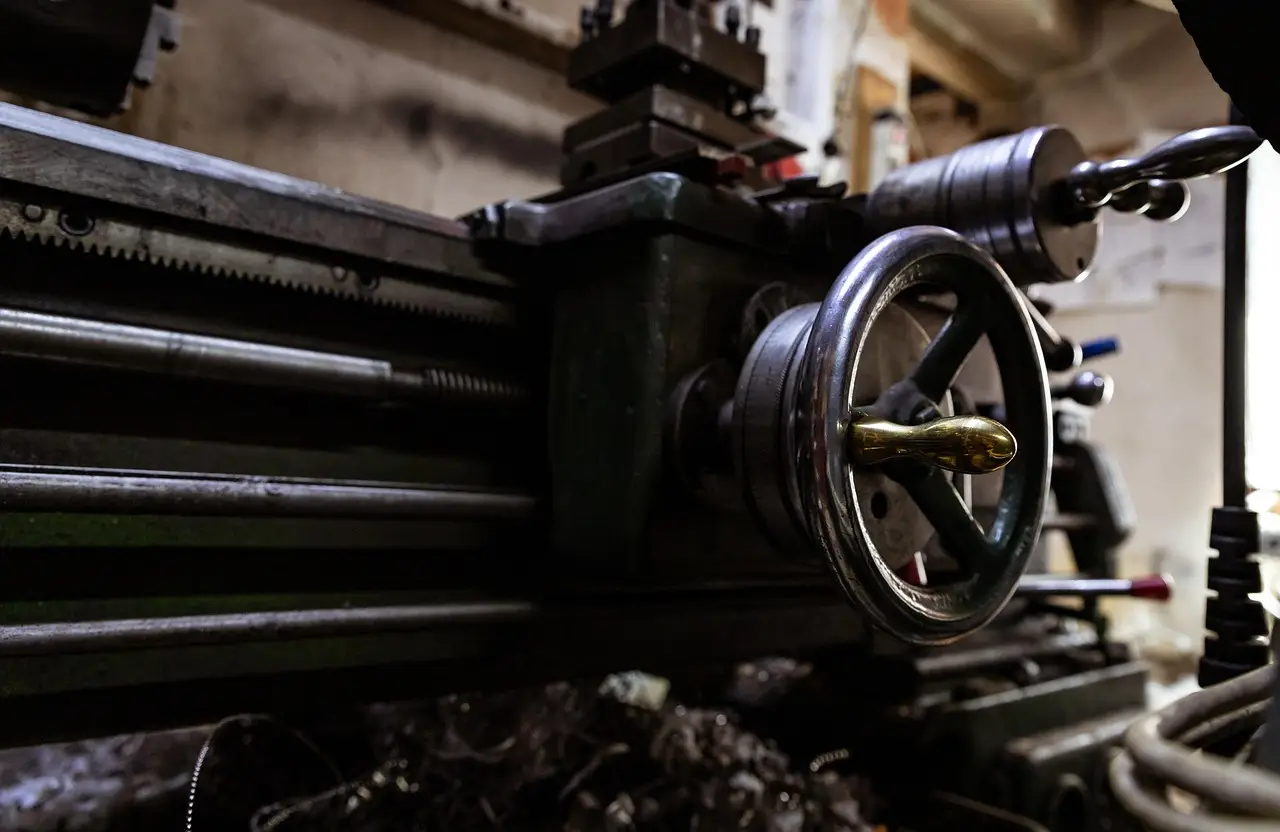
Australian manufacturing employers are calling for stronger local content requirements, and a new industry survey ties that demand directly to a skills shortage that continues to constrain the sector's capacity to deliver on domestic contracts.
The survey, reported by Australian Manufacturing, captures an industry at a policy inflection point. Manufacturers argue that firmer local content rules would secure a more predictable pipeline of domestic work, which in turn would justify investment in training and apprenticeships. The underlying logic is straightforward: firms hesitate to commit to hiring and upskilling when project pipelines depend on policy settings that can shift between procurement cycles.
The skills shortage sits at the centre of the findings. Employers report difficulty filling roles across production and trades occupations, a constraint that has persisted through the post-pandemic recovery and shows little sign of easing. For workers in welding, machining, fabrication and related trades, this means employers are competing for a limited pool of qualified candidates — a dynamic that typically supports wage growth and improves bargaining position for those holding current certifications.
The survey's local content argument separates two distinct labour-market problems. The first is demand-side: without guaranteed domestic participation in major projects, manufacturers cannot forecast workload far enough ahead to hire. The second is supply-side: even when demand exists, the pool of skilled workers is thin. Stronger local content rules, in the industry's framing, address the first problem so firms can credibly tackle the second through structured training investment.
For job seekers and career planners, the survey's implications are concrete. Trades and technical roles in Australian manufacturing remain structurally tight. Anyone weighing a move into advanced manufacturing, defence supply chains, or energy-transition-related production is looking at a sector where employers are actively seeking policy mechanisms to expand hiring. The survey suggests demand will concentrate in occupations that already face shortages, which means credentialing — trade qualifications, tickets, and specialised certifications — remains the primary lever for accessing that demand.
For employers, the findings quantify a familiar frustration: procurement frameworks that reward lowest cost without enforcing domestic participation undercut the business case for maintaining a local skilled workforce. Survey respondents position local content rules not as protectionism but as workforce infrastructure — a mechanism that stabilises demand long enough for training pipelines to function.
The survey does not exist in a vacuum. It lands amid broader federal commitments to rebuild sovereign manufacturing capability, and its calls for stronger local content thresholds are likely to feed into ongoing debates over how those commitments translate into procurement practice. Industry bodies have repeatedly argued that announcements alone do not move hiring intentions; enforceable participation requirements do.
What the survey makes clear is that the sector's labour shortage and its policy agenda are now inseparable. Manufacturers see local content rules as the mechanism that converts policy intent into contracted work, and contracted work into sustained hiring. Whether policymakers strengthen those rules will shape hiring conditions across Australian manufacturing trades for years ahead — the survey's respondents have made their position explicit, and the next move sits with government procurement policy.
Source: Google News: Skills gap
More from Grace Kim
Show full bio
Correspondent covering money, funding and market shifts around Job market data and labor economics at Path & Pay.
503 articles
Go deeper
- America's Manufacturing Skills Gap Starts Before the Factory Floor
- Australia's Coalition Says It Knows Where Skilled Worker Gaps Sit
- Welding Workforce Shortage: Industry Leaders Warn of Skills Gap
- Can Apprenticeships Close Aerospace's Skills Gap?
- Mining's Skills Gap Becomes a 'Structural Risk' — Data Missing