Carney Accuses US Steelmaker of Betraying Canadian Workers Over Tariff-Linked Layoffs
Prime Minister Mark Carney has accused a US steelmaker of betraying Canadian workers after layoffs tied to Trump tariffs, sharpening the trade dispute's impact on steel jobs.
Updated
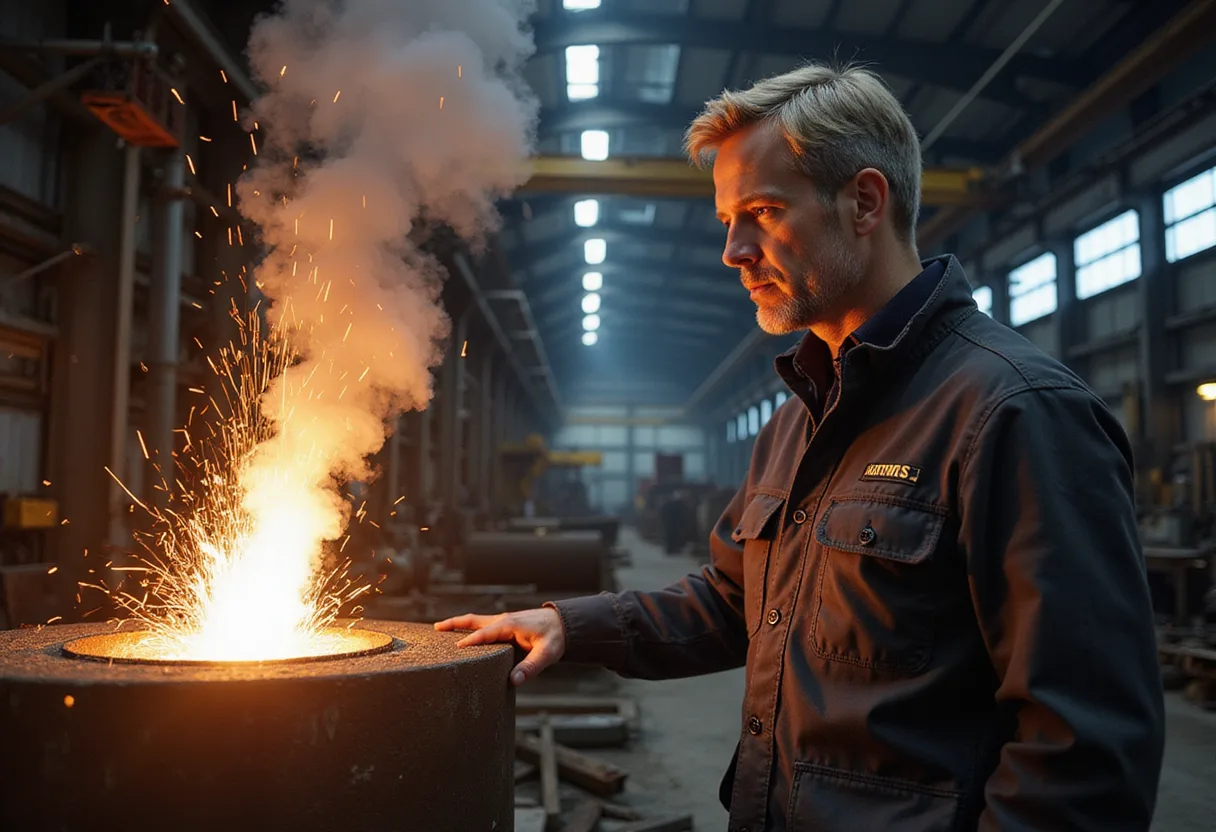
Canadian Prime Minister Mark Carney has accused a US steelmaker of betraying Canadian workers, after the company carried out layoffs that observers directly tie to tariffs imposed by US President Donald Trump.
The accusation is unusually sharp for a head of government directing criticism at a single foreign employer. Carney's language — "betraying" — signals that Ottawa views the job cuts not as routine industrial restructuring but as a broken commitment to the workers and communities dependent on the plant.
The layoffs sit at the intersection of two forces now reshaping steel-industry employment on both sides of the border: US tariff policy under the Trump administration and the resulting strain on cross-border manufacturing chains. For Canadian steelworkers, the connection between Washington's trade measures and their own job security has become explicit.
At the national level, the episode underscores how tariff regimes transmit labor-market pain across borders. When the United States raises barriers on steel and aluminum, the effects do not stay within the American market. Canadian producers and processors integrated into North American supply chains face higher costs, reduced orders, and — as this case demonstrates — cuts to their workforces.
For individual workers in affected plants, the practical meaning is immediate. A tariff decision made in Washington translates into a layoff notice in a Canadian mill town. Skills honed in steel production do not transfer easily to other sectors, and steel-dependent communities typically have few alternative employers offering comparable wages.
The political dimension matters for workers as well. Carney's decision to name and shame a US employer raises the possibility of Canadian government pressure — or incentives — aimed at preserving domestic steel jobs. Governments that publicly accuse a company of betrayal rarely stop at rhetoric; workers in the affected operations will be watching for follow-through in the form of support packages, retraining programs, or negotiations over the plant's future.
For job seekers and employers in the broader metals sector, the case is a signal of continued volatility. Trade policy is now a direct input into hiring and layoff decisions in steel, aluminum, and downstream manufacturing. Anyone whose employment depends on cross-border industrial supply chains should treat tariff announcements as labor-market data — as consequential for their position as any monthly jobs report.
Carney's accusation also marks a hardening tone in Canada–US industrial relations. As long as tariff measures remain in place, further friction over plant-level employment decisions in strategic sectors like steel appears likely.
Source: Google News: Layoffs
More from Tom Whitfield
Show full bio
Senior reporter covering regulation, policy and their impact on Job market data and labor economics at Path & Pay.
517 articles
Go deeper
- Carney Accuses US Steelmaker of Betraying Canadian Workers Over Tariff-Linked Layoffs
- Carney Accuses U.S. Steelmaker of Betraying Canadian Workers
- Carney Accuses US Steelmaker of Betraying Canadian Workers
- Carney Accuses US Steelmaker of Betraying Canadian Workers Over Tariff-Linked Layoffs
- Carney Accuses US Steelmaker of Betraying Canadian Workers