China's New Graduates Face a Dire Job Market — and Now A.I. Too
China's newest graduates face a dire job market while A.I. erodes the entry-level white-collar tasks they'd normally rely on, The New York Times reports.
Updated
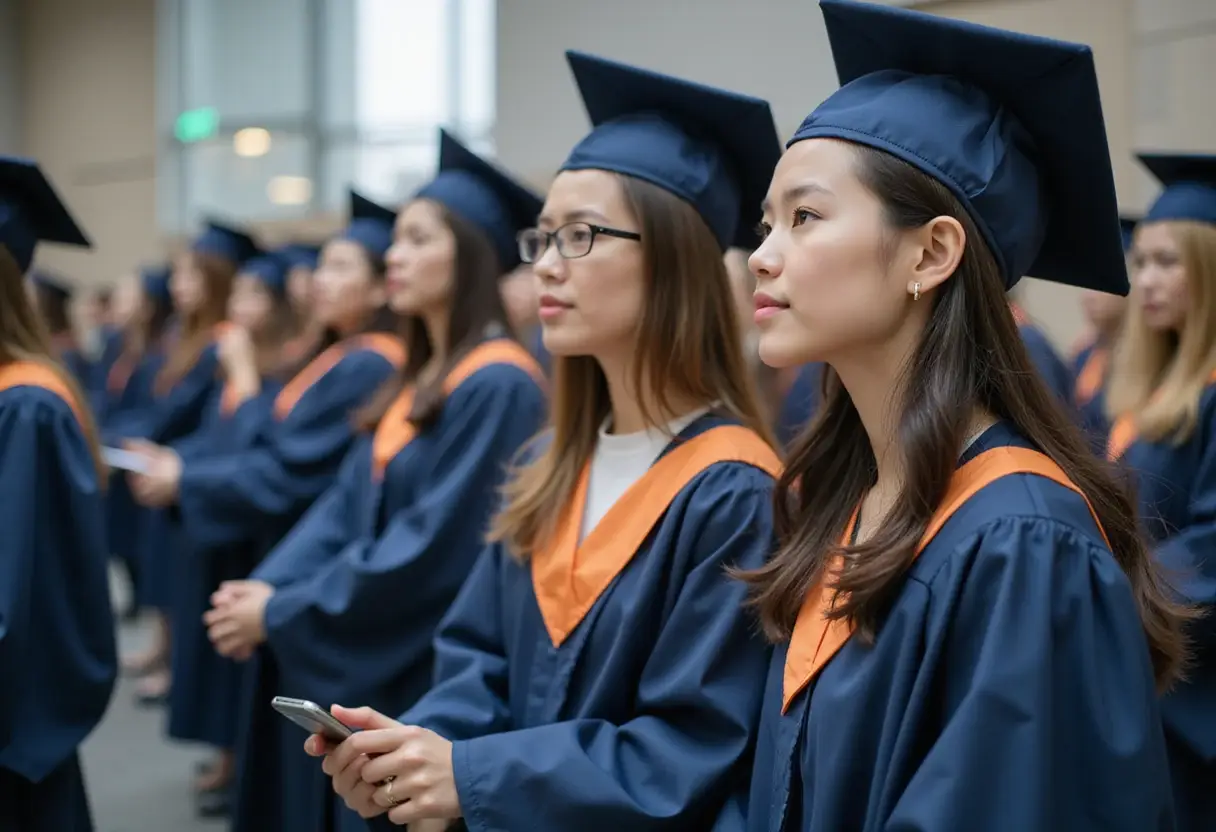
China's newest university graduates are entering what The New York Times describes as a dire job market — and they're doing it just as artificial intelligence reshapes the entry-level roles they'd normally compete for.
The dual pressure is the story. On one side sits a national labor market that has struggled for years to absorb record numbers of degree holders. On the other sits generative A.I., a technology that disproportionately touches the junior white-collar tasks — drafting, translating, basic coding, customer support — that fresh graduates rely on to get a foot in the door.
Why does this matter beyond China?
China graduates more students each year than any other country. When that pipeline meets weak hiring plus automation, the effects show up fast in youth unemployment statistics, in graduate migration decisions, and in which majors students now regret. It's the sharpest real-world test case of a question every labor market now faces: what happens to entry-level work when A.I. can do parts of it?
For an individual Chinese graduate, the practical read is blunt. Credentials alone are moving less bargaining power than they did five years ago. The graduates who land offers are the ones stacking evidence of skills machines still can't cheaply replicate — client-facing judgment, cross-functional coordination, physical-world work.
What the A.I. layer changes
The A.I. dimension isn't hypothetical for this cohort. Employers can now substitute software for some of the routine output that justified hiring juniors at scale. That compresses the bottom rung of the career ladder — fewer trainee seats, tougher screening, more applicants per seat.
Takeaway in plain words: the hardest-hit roles are the ones where a large share of the daily work is text-shaped and repetitive.
What to watch next
The New York Times reporting signals that Chinese policymakers, universities and employers are still adjusting to this collision, and how China's graduate cohort fares this hiring season will offer an early benchmark for how other economies absorb A.I. pressure on entry-level hiring.
Source: Google News: Job market
More from Tom Whitfield
Show full bio
Senior reporter covering regulation, policy and their impact on Job market data and labor economics at Path & Pay.
515 articles