Deactivated Uber and Instacart Workers Now Turn to ChatGPT for Arbitration
Gig workers deactivated by Uber and Instacart are using ChatGPT to draft evidence reports and arbitration letters — one Tennessee driver got his account back within a week.
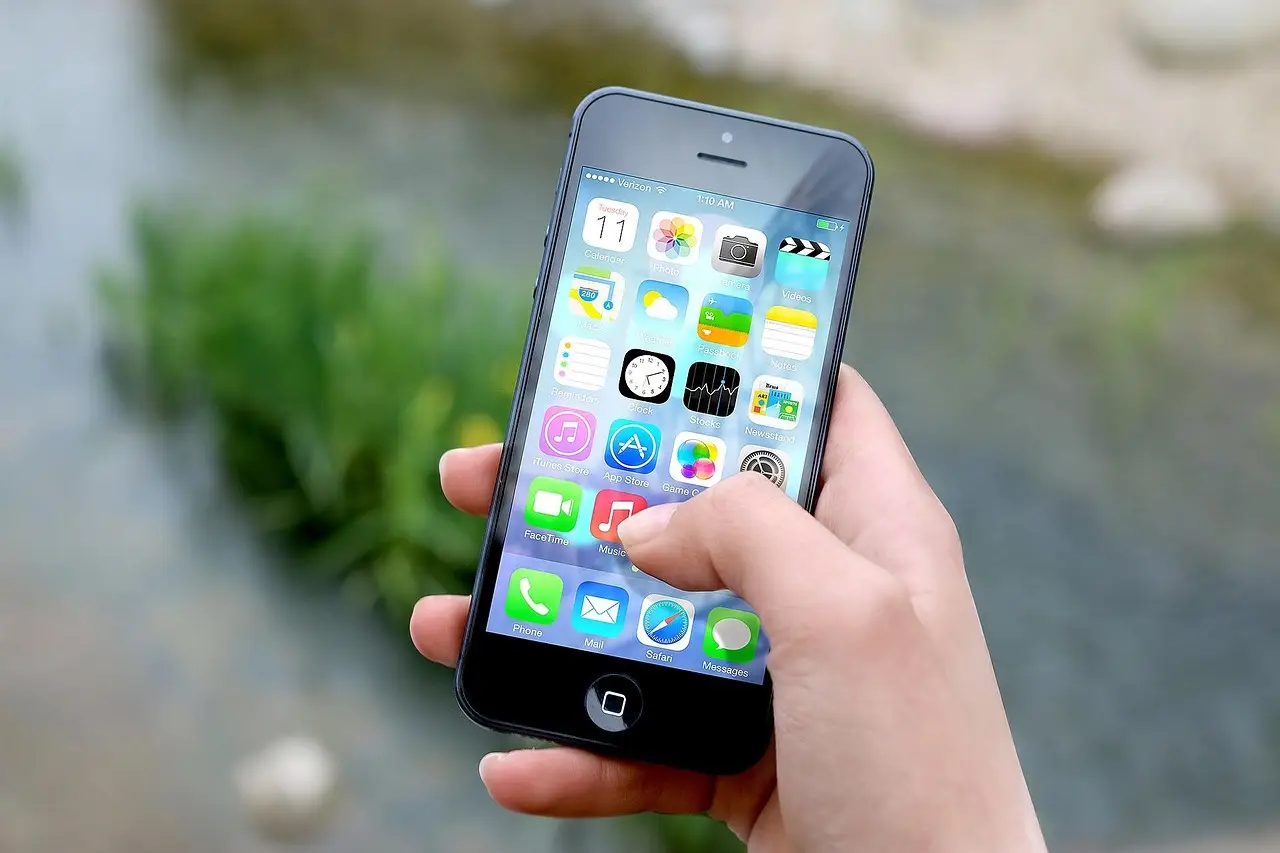
One Uber driver in Tennessee regained access to his account roughly a week after sending an arbitration letter that ChatGPT drafted for him — and addressed, on the chatbot's strategic advice, to Uber CEO Dara Khosrowshahi rather than the company's generic arbitration inbox. His case is part of a small but growing pattern: deactivated gig workers on Uber, Instacart, Uber Eats and DoorDash are using AI chatbots to fight the platforms that removed them.
The stakes are structural, not incidental. Uber and Instacart frequently deactivate ride-hailing and delivery workers with little notice — sometimes for legitimate safety or fraud reasons, other times without fully explaining why. Workers who want reinstatement or a settlement must contact the company and initiate arbitration, a procedure that can be long and requires parsing dense platform contracts.
Why workers cannot simply hire a lawyer
As independent contractors, gig workers give the companies wide latitude to terminate them. Lawyers are often hesitant to represent them at all, because the companies' terms of service impose arbitration requirements. Robert Bruno, a professor of labor and employment relations at the University of Illinois Urbana-Champaign, argues that AI fills a gap for workers with few alternatives.
"They're not locked out of being able to defend themselves because they lack the financial means to hire a very good labor attorney," Bruno said.
His endorsement is qualified, and the qualification matters. Generating evidence summaries, he noted, is only one part of the process. Workers must also make a persuasive argument for reinstatement — one tailored to the specific arbitrator hearing the case.
"I don't think you could just spit that out of Copilot or Claude," Bruno said.
What the AI-assisted cases look like
The concrete examples reported by Business Insider show both the mechanics and the limits:
- A deactivated Instacart shopper is using ChatGPT to challenge the company's claim that he failed to follow the correct delivery route. He has used the chatbot to write evidence reports and estimate lost wages since Instacart removed him earlier this year. He has also consulted it on timing his responses and on finding pro bono legal counsel. "ChatGPT said to hold off on that for now," he said. "We're gonna see if we can get a lawyer."
- The Tennessee Uber driver, deactivated without a clear explanation, went back and forth with chatbots until he had a letter citing Uber's driver contract and requesting arbitration proceedings. About a week later, his account was restored. "I followed AI, and I guess it worked," he said.
- On Reddit forums for gig workers, users have posted accounts of using ChatGPT to write reinstatement letters to Uber Eats and DoorDash. Some wrote that the AI-generated messages succeeded.
What the companies say — and what they do not
Spokespeople for Uber and Instacart did not comment directly on workers using AI to contest deactivations. An Uber spokesperson said the company uses "data and facts" to evaluate claims "regardless of how an appeal is submitted." An Instacart spokesperson said the company does not "take deactivation lightly" and gives workers the chance to appeal.
Both companies have previously declined to say what role AI plays in the initial decision to deactivate a worker. Uber says appeals are reviewed by "a real person"; the Instacart spokesperson said that "final deactivation decisions are always reviewed by a human."
That reticence cuts both ways. Uber's own customer service employees often use AI to write responses to drivers' messages, Business Insider reported — so the negotiation is increasingly AI on one side answering to AI on the other.
The caveat that follows every promise
The tactic carries genuine risk. Courts and arbitrators have already penalized litigants for filing AI-generated briefs, which can introduce fabricated details and undermine a party's credibility. A worker who submits a flawed AI-drafted argument may do more damage to a case than filing nothing at all.
For the individual worker, the calculus is straightforward: a free chatbot against a contract most people never read is an unequal fight marginally less unequal than before. Whether arbitrators will keep tolerating machine-drafted filings as they multiply is the question neither the companies nor the AI vendors have answered.
Source: feeds.businessinsider.com
More from Sophie Lindqvist
Show full bio
Staff writer covering regulation, policy and their impact on Job market data and labor economics at Path & Pay.
534 articles
Go deeper
- Uber Cuts Over 3,000 Jobs While Committing $10 Billion to Robotaxi Partnerships
- Driverless Taxis Raise Job and Congestion Risks, Report Finds
- Uber Plans More Than 250 Layoffs at San Francisco Headquarters
- Palantir CEO: Only Trades Workers and Neurodivergent People Will Win in AI Era
- An AI agent sent about 300 emails during one office move