Disney Begins Testing AI Parking Robots at Its Resorts
Disney is testing AI parking robots built by Field AI, a 2023 startup staffed by DeepMind, NASA, Nvidia and Tesla alumni. The company has not said how many jobs are at stake.
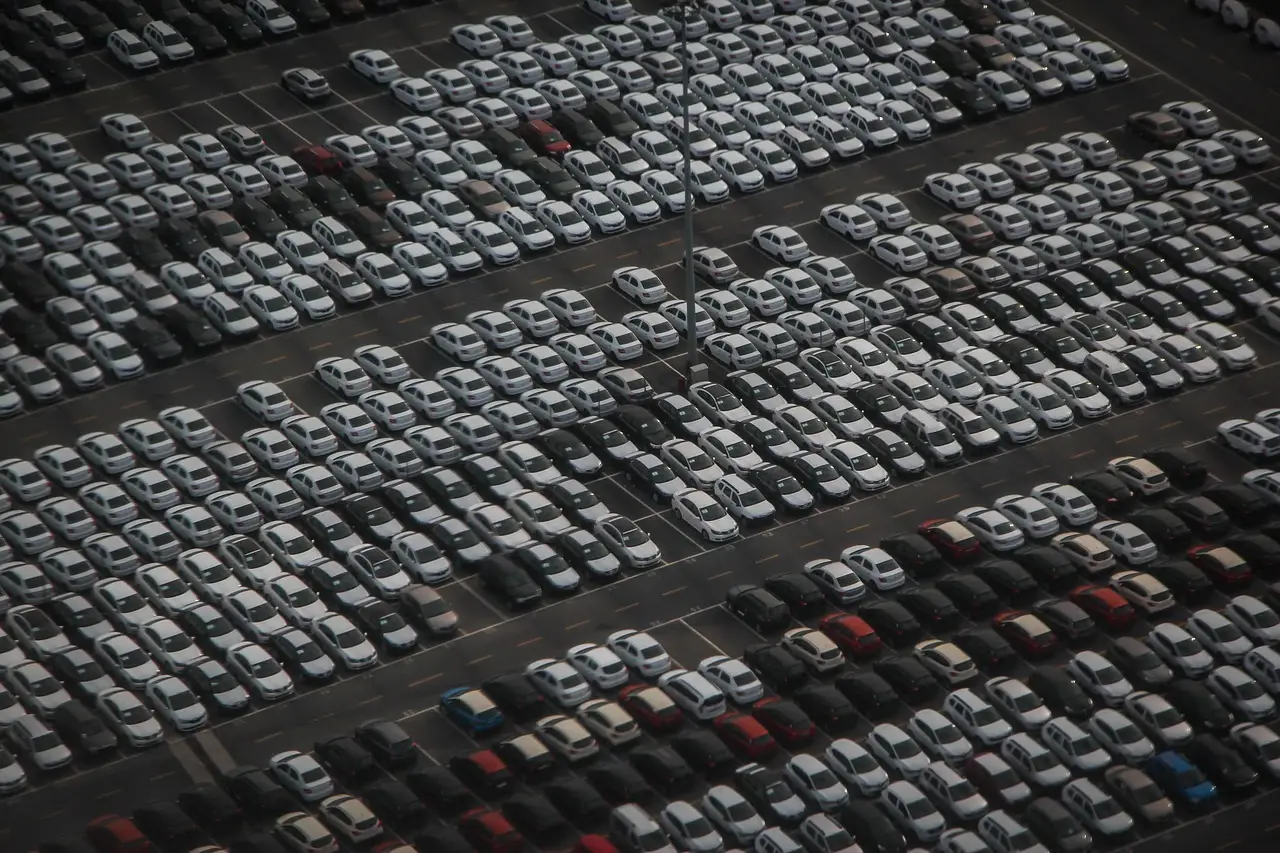
The Walt Disney Company has confirmed it is testing AI-powered robot assistants that will guide drivers to parking spaces at its crowded resorts — a task performed today by some of the lowest-paid workers in the hospitality sector, though the company has released no figure for how many parking attendants the program could affect.
Disney previewed the robots, designed to evoke characters from its own "Cars" and "Wall-E" franchises, at its recent Disney Accelerator Demo Day. The disclosure, reported by Carscoops on 11 October 2026, is a test announcement, not a deployment announcement. Disney has said nothing about a rollout date, the number of units in testing, the resorts involved, or the cost of the program.
Who is building the robots?
The machines come from Field AI, a robotics firm founded in 2023 whose staff previously worked at Google's DeepMind, NASA, Nvidia and Tesla. That pedigree matters for anyone tracking where automation capital is flowing: the industry's headline investment still targets humanoid robots in the mold of Tesla, Boston Dynamics and several Chinese competitors. Disney and Field AI have taken a deliberately narrower path.
These parking assistants were not designed to look human. That choice signals something about the commercial logic at work. A wheeled unit that navigates a parking lot and gestures drivers into spaces is a bounded problem — structured environment, predictable tasks, low interaction complexity — and it is precisely the kind of problem robotics firms solve before attempting general-purpose machines.
What does this mean for entry-level jobs?
The source headline frames the development as a replacement for minimum-wage parking assistants, and the framing deserves scrutiny rather than alarm. Disney itself has not said the robots will replace workers, has not disclosed headcount at its parking operations, and has not published any employment projection. What is on the record is narrower: a test, at resorts known for crowded parking, in partnership with a three-year-old firm.
For an individual worker, the signal is nonetheless directional. Parking guidance sits among the most routinized roles in resort operations, and Disney's own framing — that finding a space at its parks "can be stressful for even the most patient drivers" — positions the robots as a service improvement with a plausible labor dimension. Entry-level candidates in hospitality should read this as one more data point in a consistent pattern: bounded, repetitive outdoor tasks are the first to be automated, while guest-facing and irregular tasks persist longer.
What is not being said
Three gaps stand out. Disney has not addressed how the robots will be protected from "rogue drivers" — a safety and liability question the original report raises without answering. It has not named the test sites. And it has not connected the program to any workforce plan, voluntary or otherwise. Until Disney publishes those details, the employment consequences remain a matter of inference, not evidence.
Field AI's next disclosed milestone — a wider test, a named resort, or a deployment schedule — will indicate whether this is a genuine substitution threat or a demonstration staged for Accelerator Day optics.
Source: autospies.com
More from Sophie Lindqvist
Show full bio
Staff writer covering regulation, policy and their impact on Job market data and labor economics at Path & Pay.
583 articles