Fed Weighs Another Rate Hike With Midterm Elections Looming
The Federal Reserve faces another possible rate increase just before the midterm elections, a decision with direct consequences for borrowing costs and hiring in credit-sensitive sectors.
Updated
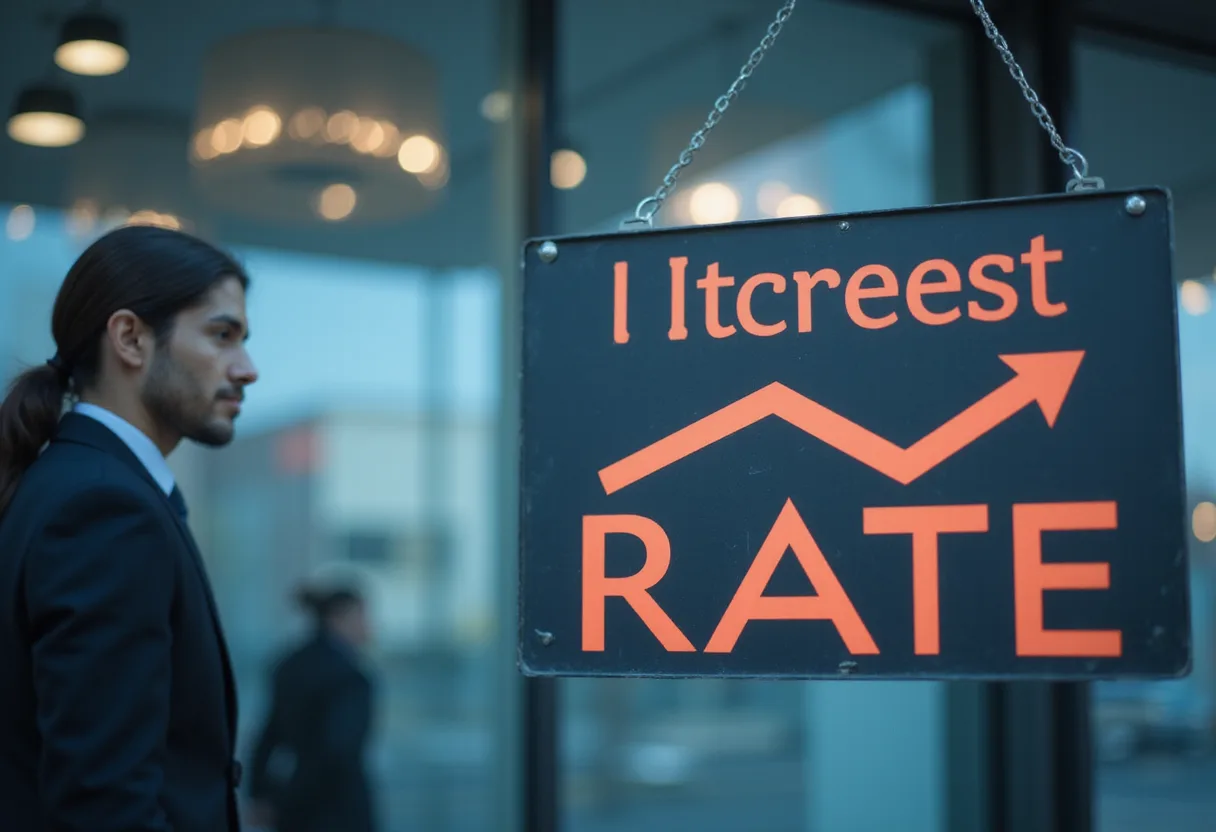
The Federal Reserve confronts the prospect of raising interest rates yet again just before November's midterm elections, The New York Times reports — a decision that would land in the final stretch of a campaign season already dominated by economic discontent.
The timing puts the central bank in an uncomfortable position. Fed officials have insisted that politics plays no role in their rate decisions, but another increase would arrive with voters already frustrated by inflation and with the economy's direction at the center of the national debate.
For the labor market, the stakes are direct. Each rate increase raises borrowing costs for businesses, and companies weighing expansion — new hires, new facilities, new payrolls — increasingly price those costs into their decisions. Hiring plans built on cheap credit get deferred or scaled back when money gets expensive.
The political calendar sharpens the squeeze. A hike announced close to Election Day would remind voters, in the most concrete terms, what policymakers are doing to cool the economy: making mortgages, car loans and credit card debt more expensive while trying to pull inflation down.
For individual workers, the mechanism matters more than the politics. When the Fed raises rates, demand cools first in interest-rate-sensitive sectors — housing, construction, manufacturing, and any industry where customers finance their purchases. Job openings in those fields typically soften before the rest of the economy feels it. Candidates in rate-sensitive roles face longer searches and weaker leverage at the negotiating table, even while other sectors keep hiring.
The Fed's dilemma is that inflation remains elevated even as signs of economic strain accumulate. Policymakers must judge whether another increase is necessary to bring prices under control, or whether the cumulative effect of prior hikes is still working its way through the economy and deserves more time.
That judgment carries real labor-market consequences. Tighten too little, and inflation erodes real wages further — a pay cut that shows up in every paycheck, even for workers who never read a jobs report. Tighten too much, and the economy tips toward job losses that fall hardest on recent hires and workers in cyclical industries.
Workers watching this decision can take a practical read from it. If the Fed raises rates again, expect continued cooling in borrowing-dependent sectors and continued resilience — at least for now — in areas where demand does not depend on credit. If it pauses, the signal is that officials see the economy slowing on its own, which historically precedes a broader easing of hiring pressure.
The report does not specify the size or timing of a potential increase, and Fed officials have emphasized that their decisions rest on incoming economic data — inflation readings, employment figures and growth indicators — rather than on the electoral calendar. The next decisions will hinge on whether that data continues to show prices rising faster than the central bank's target.
Whatever the Fed decides, the outcome will shape borrowing costs, hiring momentum and wage dynamics well past November — and workers in credit-sensitive industries will feel it first.
Source: Google News: Jobs report
More from Priya Raman
Show full bio
Market editor covering people, launches and day-to-day practice in Job market data and labor economics at Path & Pay.
540 articles
Go deeper
- Soft Jobs Report Shifts Market Odds Against an October Fed Hike
- Weak July Jobs Report Traders Pull Back Rate-Hike Bets
- Sticky Inflation Moves Fed Debate From Whether to When on Next Hike
- Strong Job Gains Point to Fed Tightening as Trump Demands Cuts
- Markets Turn to Jobs and Inflation Prints as Fed Weighs October Hike