Fire Safety Skills Gap: Building the Next Generation
The International Fire & Safety Journal analyzes the fire safety sector's skills gap and the workforce-development push to build the next generation of specialists.
Updated
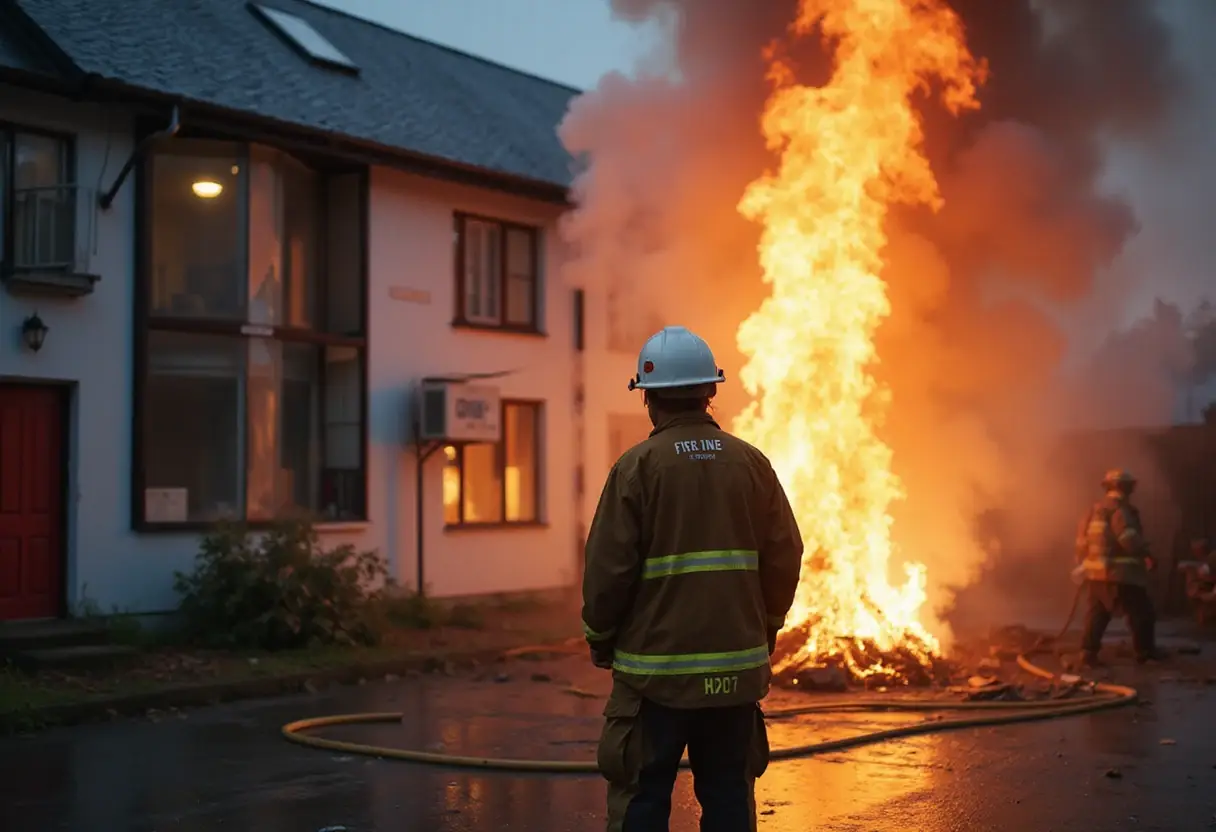
The fire safety sector faces a skills gap, and the International Fire & Safety Journal has published an analysis under the headline "Fire safety skills gap: Building the next generation" addressing how the industry plans to develop its incoming workforce.
The piece frames the shortfall as a generational challenge. The central question the publication raises is straightforward: who will carry out fire safety work — assessment, compliance, prevention and enforcement — as experienced practitioners leave the field?
What does the skills gap mean in practice?
A skills gap in fire safety has direct operational consequences. Buildings still require fire risk assessments. Regulatory regimes still require competent persons to sign off on systems and procedures. If fewer qualified professionals enter the field than leave it, the constraint lands on employers, regulators and building owners who need certified competence, not merely headcount.
For individuals already working in adjacent trades — electrical, construction, facilities management, building control — a documented shortage of fire safety specialists typically signals a market where additional certification converts directly into stronger positioning for roles and contracts.
What does "building the next generation" involve?
The Journal's framing points to workforce development rather than short-term recruitment fixes. That generally means:
- structured entry routes into fire safety roles;
- training and apprenticeship pathways for new entrants;
- knowledge transfer from experienced practitioners before they exit the profession.
Readers evaluating a move into this field should watch for specifics the full article develops: which qualifications employers recognize, which entry routes carry real hiring weight, and how the sector measures whether new pipelines actually close the gap.
The career-market read
Sector-specific skills shortages tend to reward early movers. Where demand for competent fire safety professionals outpaces supply, credentialed candidates gain leverage in salary negotiation and role selection. The International Fire & Safety Journal's analysis signals that fire safety is now one of those sectors — the piece points toward sustained investment in developing the next cohort of specialists as the current workforce ages out.
Source: Google News: Skills gap
More from Daniel Okafor
Show full bio
News editor covering regulation, policy and their impact on Job market data and labor economics at Path & Pay.
476 articles
Go deeper
- The Cybersecurity Skills Gap: Why It Persists and How to Close It
- Welding Workforce Shortage: Industry Leaders Warn of Skills Gap
- Employers Face a New Kind of Skills Gap, Report Finds
- University of South Florida Sizes Up the Skills Gap's Real Cost
- AI Recruitment Is Screening Out 'Human Skills', Study Warns