Friday's Jobs Report Arrives With AI Questions Attached
Friday's BLS jobs report arrives with AI attached to the conversation. CNN previews the release; the data will measure employment, not the causes behind it.
Updated
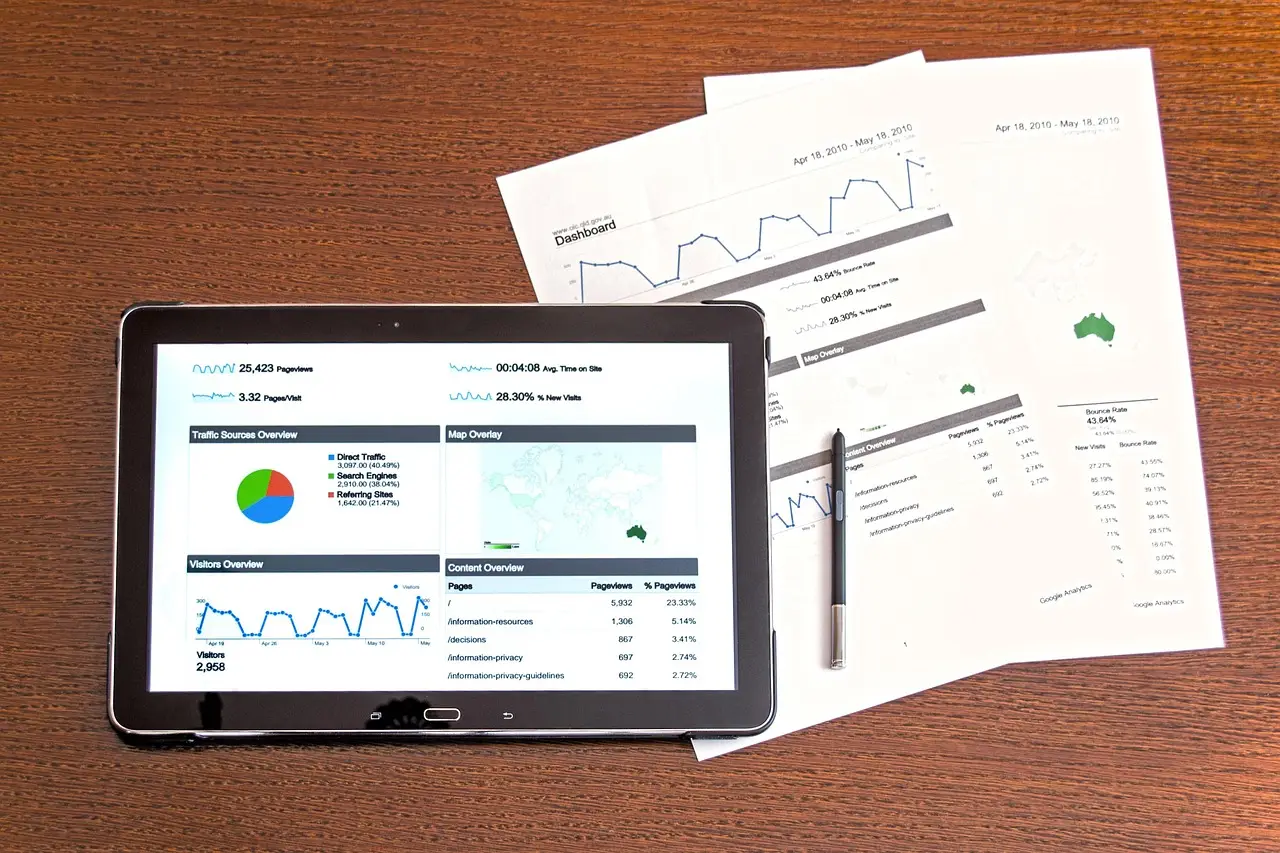
The US employment situation report lands Friday, and CNN's preview frames it as the latest checkpoint in a labor market that economists, employers and workers are all reading with unusual attention.
The report, published monthly by the Bureau of Labor Statistics, will carry the headline payrolls figure, the unemployment rate and wage growth — the numbers that move markets and, more quietly, shape hiring plans for the following quarter. CNN's piece positions this particular release as more than routine: it pairs the immediate print with a longer question about artificial intelligence and its eventual imprint on employment.
What does the report actually measure?
The monthly jobs count tracks nonfarm payrolls — the net change in employment across the United States for the reference period. The unemployment rate and average hourly earnings round out the picture. Each figure arrives with revisions to prior months, which matter: a strong or weak headline can soften or darken once earlier data are corrected.
For an individual job seeker or an employee weighing a move, the practical value of the release is directional rather than precise. A cooling print rarely changes any single hiring decision that week; it changes how budget holders feel about opening reqs in the weeks that follow.
Where does AI fit in?
CNN pairs the report preview with a forward-looking discussion of AI and the future of work. The piece does not claim that AI has already produced measurable job losses or gains in the official data. That gap is worth noticing. Assertions about AI reshaping employment remain, for now, largely anticipatory — grounded in employer surveys and projections rather than in payroll counts.
The skeptical reading is straightforward. If Friday's numbers show continued labor-market cooling, some commentators will attribute part of the shift to automation. The BLS data will not support that attribution on its own, because the payroll survey measures employment, not its causes.
What should readers watch?
- The headline payrolls change and the unemployment rate, alongside revisions to the two prior monthly reports.
- Wage growth, which signals whether worker bargaining power is holding or eroding.
- Any language in follow-up analysis connecting the data to AI — and whether that language cites measurement or speculation.
A promise of AI-driven transformation deserves the same scrutiny as a promise of anything else: a number, a source and a period, or it is not yet a finding.
CNN's preview does not commit to a specific forecast in its framing; readers should treat the release itself, and its revisions, as the evidence that settles the argument — and even then only partly.
Source: Google News: Jobs report
More from Sophie Lindqvist
Show full bio
Staff writer covering regulation, policy and their impact on Job market data and labor economics at Path & Pay.
503 articles
Go deeper
- September 2026 Jobs Report: What to Watch From the U.S. Labor Department
- August Jobs Report Lands Friday: What to Watch Before the Numbers Drop
- U.S. Job Growth Cools in Final Jobs Report Before Midterms
- August U.S. Jobs Report Preview: What to Watch This Week
- US Jobs Report and Inflation Data Take Center Stage This Week