Friday's Jobs Report Takes Center Stage as Fed Weighs December Rate Call
The Fed cut rates three times in late 2025, then reversed course with a September hike. Friday's jobs report could decide whether December brings another move.
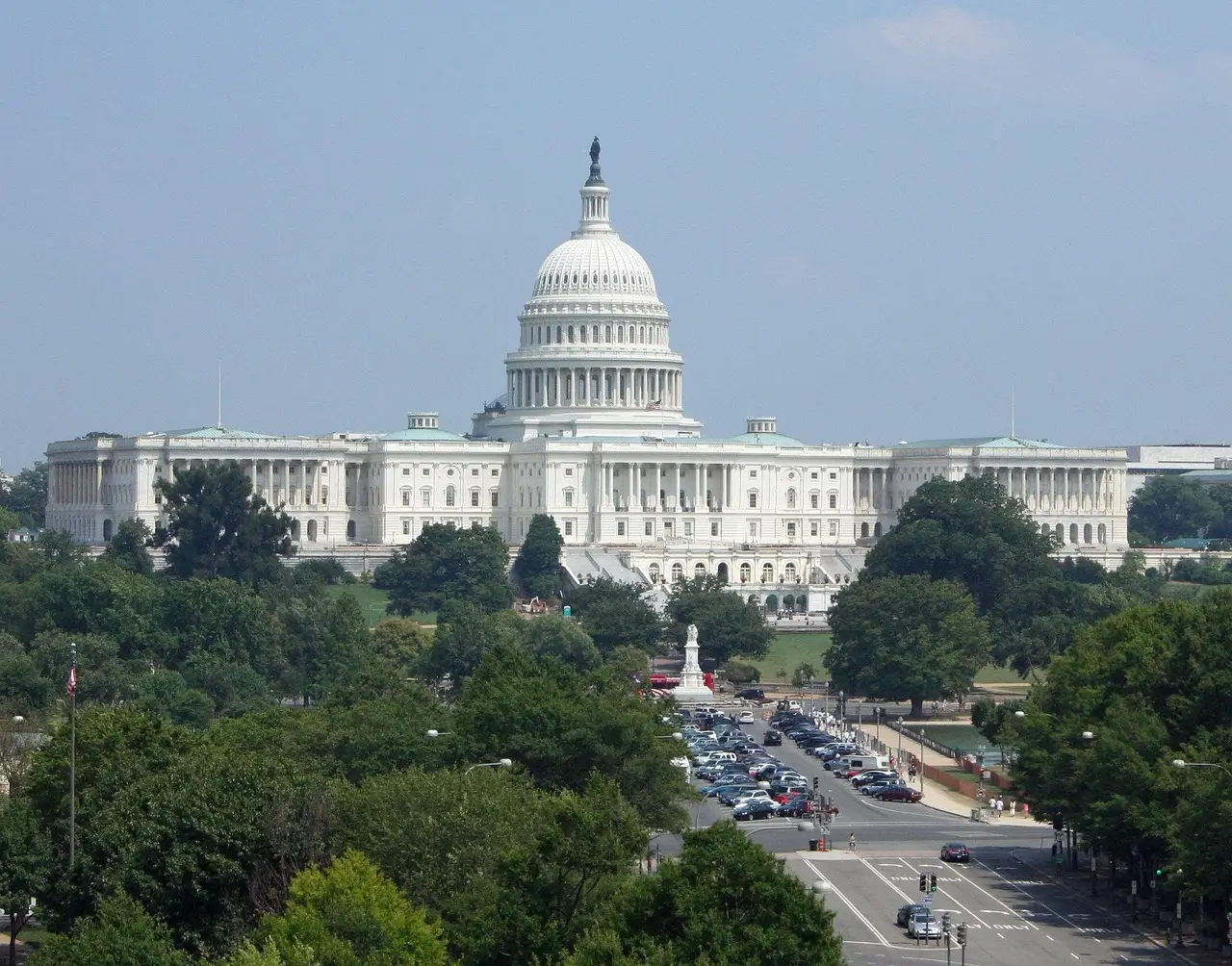
The Federal Reserve has swung from three straight rate cuts in late 2025 to its first hike since 2023 this fall — and Friday's jobs report is the next number that will shape whether December brings another move.
That's the stakes in plain terms. For anyone job-hunting or negotiating pay right now, the Fed's rate path matters because it flows straight through to hiring: cheaper borrowing tends to support job creation, tighter policy tends to cool it.
What happened in 2025?
Through the fall of 2025, policymakers worried that weak job creation could tip into outright losses. The trigger list was long: President Donald Trump's sweeping tariff policies, his immigration crackdown, and overhauls of the federal workforce.
The Fed's answer was three consecutive quarter-point cuts to its benchmark interest rate between September and December 2025. Three cuts of 0.25 percentage points add up to a full three-quarters of a percent off borrowing costs in a single fall season — a fast response by central-bank standards.
Takeaway: the Fed was defending the labor market, and it used its full toolkit at speed to do it.
Why did the Fed reverse course this year?
The picture flipped in 2026. In mid-September, Fed policymakers raised the federal funds rate for the first time since 2023. The driver, per the source reporting, was rising inflation stoked by the Iran war.
Then came October, and a pause. The rate-hike cycle stopped even as the official Federal Open Market Committee policy statement delivered a blunt assessment: "inflation remains elevated."
Takeaway: the Fed's problem switched from protecting jobs to containing prices, and that switch happened within roughly a year.
What does the jobs report have to do with it?
Quite a lot. The Fed's dual mandate forces it to weigh employment against inflation, so each major data release moves the calculus. A weak jobs number would argue for holding or easing; a hot one, with inflation already elevated, would argue for more tightening.
There's also a political clock running. The FOMC tends to avoid adjusting policy right before federal elections, which narrows the window in which policymakers can act without appearing to influence the vote.
Takeaway: December may be one of the last clean chances the Fed has to move before election sensitivities take over.
What does this mean for your own position?
If you're reading this as a worker rather than a trader, here's the translation. The 2025 cuts were effectively an insurance policy on your job — the Fed saw tariff policy, immigration enforcement, and federal restructuring as threats to hiring and acted to cushion them.
The 2026 hike works the other way. When the Fed tightens because inflation is "elevated," borrowing gets more expensive, expansion plans get deferred, and hiring typically slows in the quarters that follow. None of that lands at once, but it lands.
So Friday's report isn't just a headline. It's the input that tells the Fed — and by extension employers — whether the labor market is still sturdy enough to absorb higher rates, or fragile enough to force a choice between price stability and jobs. Watch the December meeting; the direction the Fed picks there will tell you which way hiring conditions are likely to lean into next year.
Source: Google News: Jobs report
More from Grace Kim
Show full bio
Correspondent covering money, funding and market shifts around Job market data and labor economics at Path & Pay.
549 articles
Go deeper
- US Employers Added 165,000 Jobs in October, Triple the Forecast
- Strong Job Gains Point to Fed Tightening as Trump Demands Cuts
- UBS Now Sees Two Fed Rate Hikes in 2026 on Strong Jobs Data
- Soft July Jobs Report Casts Doubt on Further Fed Rate Hikes
- US Jobs Report and Inflation Data Set to Test Fed Rate Path