Greggs to Close Four Factories, Putting 740 UK Jobs at Risk
Greggs will shut four UK factories, risking 740 jobs, as it consolidates manufacturing to save £20m across the 2028 and 2029 financial years.
Updated
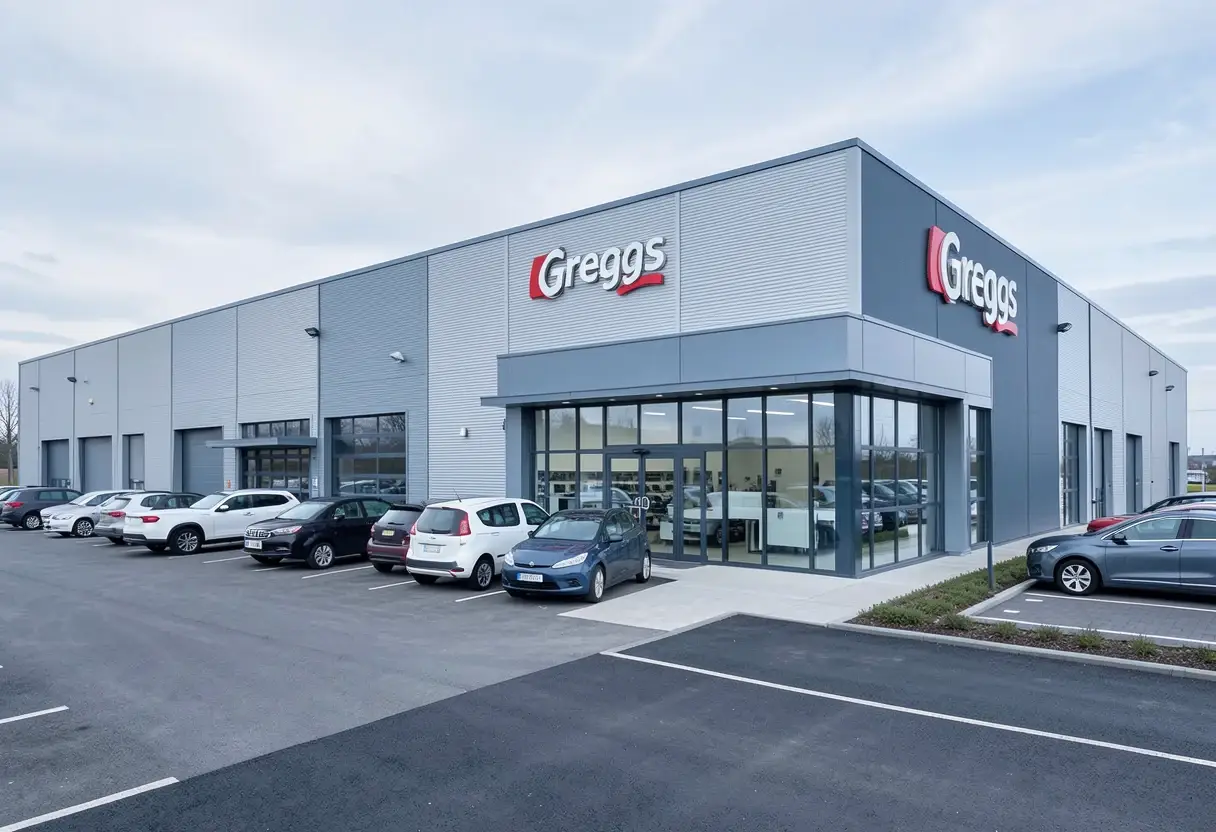
Greggs will close four of its UK factories, putting 740 jobs at risk, as the bakery chain consolidates manufacturing into fewer sites to save about £20 million across the 2028 and 2029 financial years.
The company announced the proposed closures of its sites in Enfield (London), North Lakes (Cumbria), Pettigrews (Kelso, Scotland) and Seaham (County Durham) on Tuesday, following what it called a comprehensive review of the business. The changes form part of a plan, set out in Greggs' Q3 update, to keep the business efficient and positioned for its next phase of growth.
The proposal also affects operations at four further sites — Treforest, Clydesmill, Manchester and Gosforth — although the company confirmed its retail outlets will not be affected.
What do the closures mean for the affected workers?
Roughly 740 of Greggs' 33,000 employees now face uncertainty concentrated in food manufacturing roles across England and Scotland. The company said it will run a consultation process with affected colleagues and their union representatives, and stressed that "no final decisions have been made". All consultation feedback will be carefully considered, it added.
For workers at the four closure sites, the risk arrives despite significant recent investment in the network. Since 2024, Greggs has poured more than £300 million into its manufacturing and logistics operations — a reminder that capital spending does not guarantee job security at plant level.
The changes fall into three strands:
- Closing the Enfield, North Lakes, Pettigrews and Seaham manufacturing sites
- Relocating and consolidating some manufacturing activity into fewer locations
- Sourcing a small number of products from specialist suppliers instead of making them in-house
The move fits a broader UK pattern of manufacturing job cuts announced in recent months, including thousands of expected losses at Jaguar Land Rover and hundreds at KPMG, where lack of attrition triggered redundancies.
Why is Greggs restructuring now?
The company frames the closures as an efficiency measure, not a retreat. It said its manufacturing and logistics network "remained a key strength of the business" and that the proposals aim to create a more streamlined, resilient and efficient operation while maintaining the product quality customers know.
Roisin Currie, chief executive of Greggs, said: "Greggs is a strong and growing business, and we continue to invest significantly in our future. To continue building a successful business for the future, we must keep evolving alongside changing customer expectations. We want to ensure Greggs remains a strong, sustainable business for decades to come."
She added: "These proposals are intended to strengthen our manufacturing network, improve efficiency and ensure we remain well placed for the future while continuing to deliver the quality, value and service our customers expect."
The £20 million saving target covers the 2028 and 2029 financial years, suggesting the restructuring is a medium-term play rather than a response to immediate trading distress.
What happens next?
The consultation process will now determine how many of the 740 at-risk roles are ultimately cut, relocated or absorbed elsewhere in the network. Greggs says feedback from unions and affected staff will shape the final outcome, with the company aiming to complete a consolidation that delivers its efficiency savings without touching its shop-floor retail operations.
Original: corporate.greggs.co.uk
More from Grace Kim
Show full bio
Correspondent covering money, funding and market shifts around Job market data and labor economics at Path & Pay.
505 articles
Go deeper
- North Jersey Frozen Foods Plant to Close, Cutting 168 Jobs
- Grocery giant cuts 3,000 jobs as separate report shows inflation rising
- America's Largest Grocery Chain Announces Thousands of Layoffs
- Kroger Prepares Layoffs Ahead of Albertsons Trial
- Mosaic to Cut Nearly 200 Jobs as It Idles South Fort Meade Site