Human Skills Still Matter in an AI World, Bentley Says
Bentley University argues human skills still matter in an AI world — and that automation raises, rather than erases, the market value of communication and judgment.
Updated
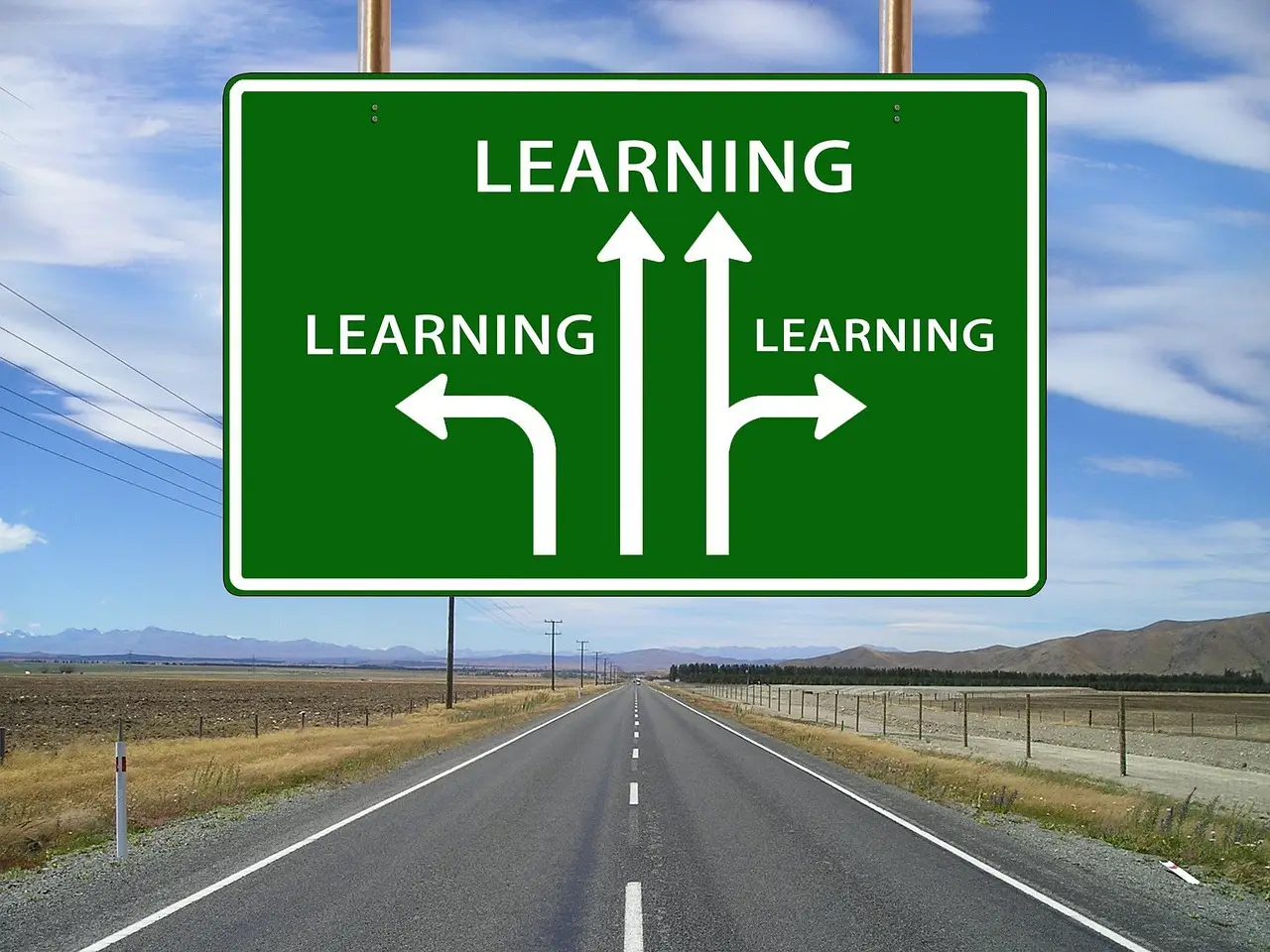
Bentley University has put its institutional weight behind a claim that job seekers have heard often but rarely see a university make explicitly: in an AI world, human skills still matter.
The business school's argument lands at a moment when workers are anxious about automation, and when hiring managers are rethinking what they screen for. Bentley's position is that the technologies changing the workplace haven't made interpersonal strengths obsolete — if anything, they've raised their value.
So what's the mechanism here? It's fairly simple. AI systems can process, draft, and summarize at scale. What they can't do is build trust, read a room, negotiate a disagreement, or lead a team through an ambiguous decision. As routine cognitive work gets automated, the tasks left to humans skew toward judgment, communication, and collaboration.
That means the market premium doesn't disappear — it migrates. Workers who pair technical fluency with strong human skills become more valuable, not less, because they can translate what the machines produce into decisions other people will act on.
What does this mean for your market position?
If you're job hunting or planning a career move, the practical read is this: don't treat AI competence and human skills as competing investments. Treat them as a stack.
- Technical fluency gets you screened in.
- Human skills — communication, empathy, leadership, ethical judgment — get you hired and promoted.
- The combination is what employers struggle to find.
A university like Bentley making this argument matters because it shapes curriculum. Business schools that bake human-skills training into technically heavy programs are signaling what they expect corporate recruiters to demand over the next hiring cycle.
For individual workers, the takeaway is straightforward: the skills AI can't replicate are still the ones that move careers forward.
Source: Google News: Jobs report
More from Grace Kim
Show full bio
Correspondent covering money, funding and market shifts around Job market data and labor economics at Path & Pay.
503 articles
Go deeper
- IMF Chief Warns AI May Close Entry-Level Jobs for Young Workers
- New Graduates Face the AI Question in a Shifting Job Market
- Students Enter an AI-Reshaped Job Market, Glasgow Guardian Reports
- USC and UCLA Bet Big on AI to Meet Soaring Student, Job Market Demands
- AI Is Reshaping the Entry-Level Job Market for Recent Graduates