Illinois Data Center Boom Projected to Add 120,000 Jobs by 2035
A new ILEPI-PMCR study projects Illinois' data center buildout will add 120,000 jobs by 2035, with a third paying six figures — but electric bills could rise $12 a month without policy reform.
Updated
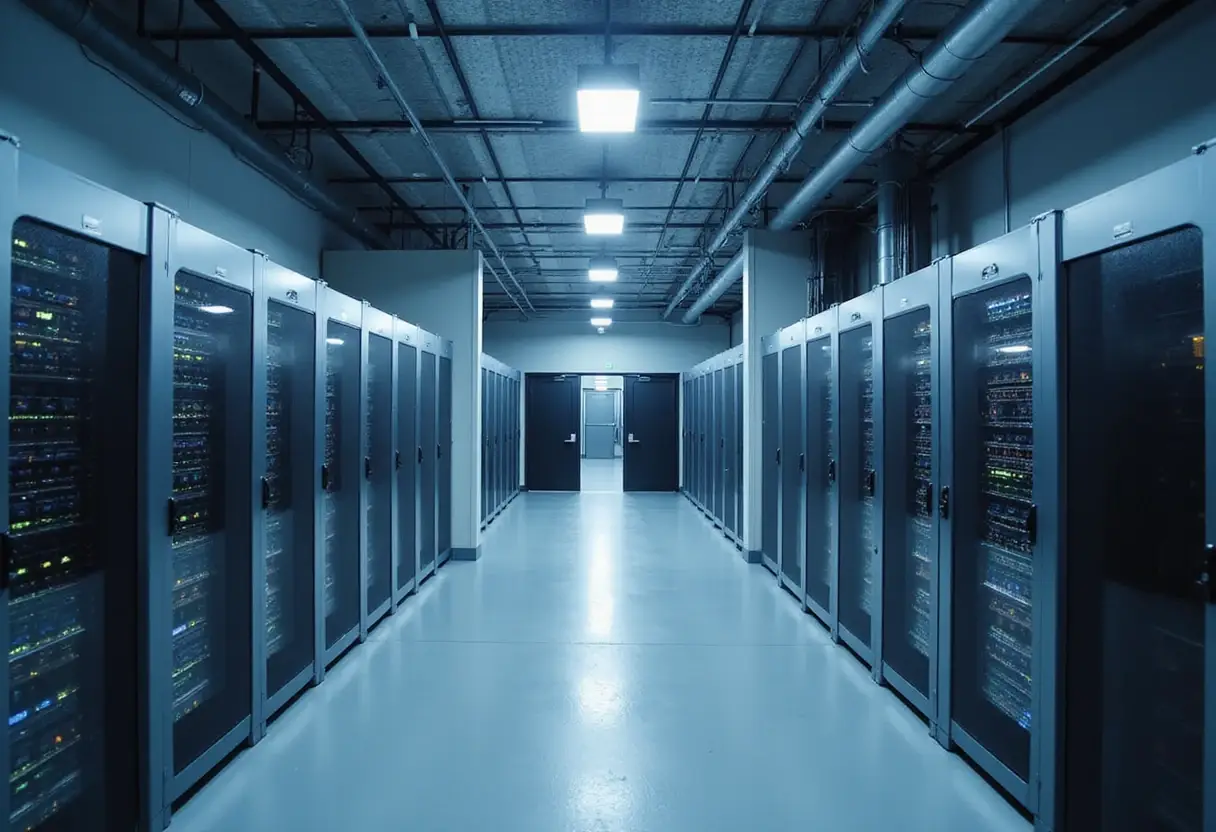
Data center construction in Illinois will create more than 120,000 jobs by 2035, generate almost $300 million per year in property tax revenue, and add billions to the state economy, according to a study released October 1, 2026 by the nonpartisan Illinois Economic Policy Institute (ILEPI) and the Project for Middle Class Renewal (PMCR) at the University of Illinois at Urbana-Champaign.
The projection rests on 75 case studies of data center projects detailing investment, job creation, energy and water usage, and tax payments, compiled from state, county, and industry sources and modeled with industry-standard IMPLAN analysis.
Where the 120,000 jobs sit
The study breaks the decade-long buildout into three labor pools:
- 39,000 skilled construction jobs during the buildout phase;
- 3,000 permanent positions per year — IT specialists, engineers, and other operations staff — once facilities are running;
- more than 41,000 induced jobs in the supply chain and at local businesses.
For individual workers, the pay signal is concrete. "At least a third of the new employment opportunities connected to these facilities will pay six-figure incomes," said ILEPI Economist and study coauthor Frank Manzo IV.
Why Illinois is pulling the investment
The state ranks in the top 10 nationally for data center development, and metropolitan Chicago is the 3rd-largest data center market in the United States. Developers spent roughly $16 billion on these facilities between 2020 and 2024, with another $57 billion planned over the next decade. The study credits Illinois' geography, cooling resources, and skilled workforce for its position.
A real-world benchmark shows what an operational facility means for local budgets: one data center in DeKalb generates more than $30 million in annual property taxes, including $19 million for public schools, letting residential property taxes in that county grow 4% slower than the rest of the state. Researchers estimate a new hyperscale facility could deliver 3% to 10% property tax relief for homeowners in an average-sized county.
What could it cost ratepayers?
The study also quantifies the risk. Illinois data centers already consume 7% of the state's electricity, and the state hosts 19 data centers per million residents. Without additional energy supply or policy changes, the planned 6.5 gigawatts of expansion — enough to power 4.5 million homes — could add $12 per month to electric bills by 2035.
"Requiring data centers to invest in their own energy and infrastructure needs is an especially valuable policy tool," said ILEPI Research Analyst and coauthor Jacob Hager, noting that states with the highest data center concentration have seen the lowest residential bill spikes since 2019.
The policy backdrop is already shifting. Governor JB Pritzker suspended the state's sales tax exemption on data center equipment, materials, and infrastructure in June. Illinois is one of 38 states that offer such incentives.
What happens next
The report recommends reforms including cost-sharing agreements requiring data centers to cover 100% of their new energy needs, tying tax exemptions to stronger energy benchmarks, water recycling standards, and a ban on NDAs between developers and elected officials. "The available evidence strongly suggests that data centers can generate positive outcomes for Illinois' economy and workers, especially if accompanied by responsible, reasonable guardrails," said PMCR Director and coauthor Dr. Robert Bruno — meaning the pace of hiring, and who pays for the grid it runs on, now depends largely on how Springfield writes those rules.
Original: img.einnews.com
More from Tom Whitfield
Show full bio
Senior reporter covering regulation, policy and their impact on Job market data and labor economics at Path & Pay.
515 articles
Go deeper
- Illinois Data Centers: 121,000 Jobs, But Only 2,800 Are Permanent
- Data Center Boom Could Add 120,000 Jobs in Illinois
- Illinois Data Center Boom Could Create 121,000 Jobs, Report Finds
- Proposed Illinois data centers could create 120,000 jobs over decade
- Illinois Data Centers Could Add 120K Jobs — Mostly Temporary Ones