Is AI Exposing a Skills Gap Bangladesh Can No Longer Ignore?
Artificial intelligence is forcing Bangladesh's long-simmering skills gap into the open, and the Daily Sun argues the country can no longer afford to look away.
Updated
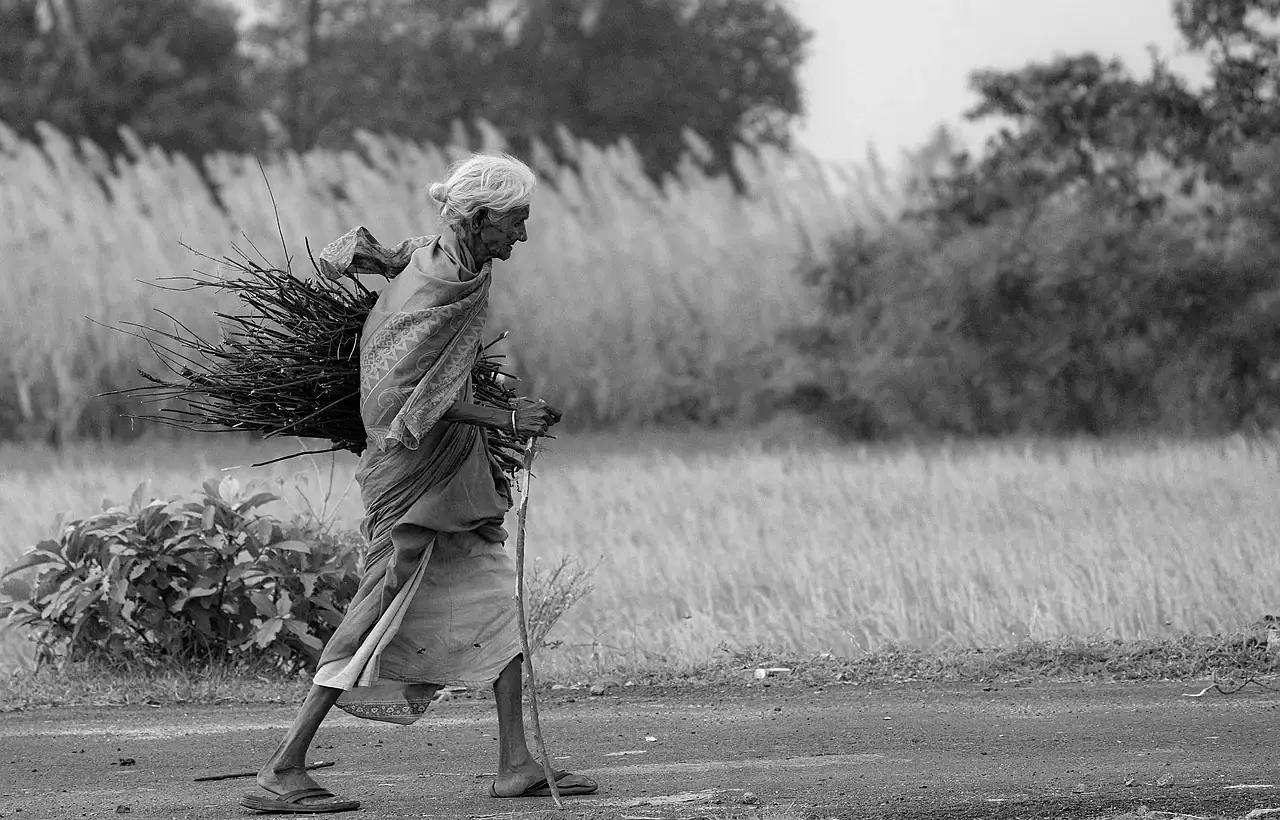
Bangladesh's skills gap has moved from a talking point to a hard constraint, and artificial intelligence is the reason. That's the argument advanced by Bangladesh's Daily Sun, which frames the country's readiness for AI-driven work as a question it "can no longer ignore."
The framing matters for a labor market of Bangladesh's size. The country's economy runs on garments, remittances and a young workforce entering jobs faster than formal training systems absorb them. When AI reaches that labor market, it doesn't arrive evenly. It lands first in the tasks that are easiest to automate, and the workers holding those tasks feel it first.
Why does AI change the skills conversation now?
The Daily Sun piece puts the question bluntly: the gap is no longer ignorable. Generative tools (AI systems that produce text, code or images on demand) have cut the cost of automating routine cognitive work. Clerical processing, basic translation, entry-level content production — these are exactly the categories where lower-cost labor markets like Bangladesh have historically competed.
That's the uncomfortable part. A skills gap that sat quietly in the background becomes visible the moment automation targets the middle rungs of the jobs ladder. Workers can't climb through roles that no longer exist.
Takeaway in plain words: AI doesn't create the skills gap, it just removes the hiding places.
What does this mean for individual workers?
For a Bangladeshi professional, the market position shifts in concrete ways. Employers screening for AI-adjacent capabilities — data handling, prompt use, digital workflow fluency — now sort candidates differently than they did even two hiring cycles ago. The worker who pairs domain knowledge with tool fluency holds the stronger position. The worker whose profile reads as purely routine-task-dependent faces compression from both cheaper labor and cheaper software.
That's not motivation. It's how screening works when the tooling changes underneath the job description.
What should readers watch next?
The Daily Sun raises the question without pretending the answer is settled, and that honesty is useful. Watch for policy signals — training budgets, curriculum reform, digital-skills targets — and for employer behavior in the sectors Bangladesh counts on most. When garments buyers and IT-services clients start specifying AI-capable workflows in contracts, the skills question stops being editorial and starts being commercial.
The gap the Daily Sun names will be measured in the next few years by whether Bangladesh's training pipeline moves faster than the automation curve.
Source: Google News: Skills gap
More from Tom Whitfield
Show full bio
Senior reporter covering regulation, policy and their impact on Job market data and labor economics at Path & Pay.
515 articles