Kenya's graduates wait 11.6 months for their first job
Kenyan university graduates take 11.6 months on average to find a first job; 40% wait longer than a year as work-experience gaps and skills mismatches persist.
By Sophie Lindqvist
How long do Kenyan graduates wait for a first job?
According to Kenya's Commission for University Education (CUE), university graduates in Kenya take an average of 11.6 months to secure their first job. Only 25.3 per cent enter employment within six months of leaving university, while 34.7 per cent take between six and 12 months.
That leaves four in every 10 graduates searching for more than a year. The source does not explain whether this period represents unemployment, further study, delayed job searches or some combination, limiting any calculation of forgone earnings.
The source provides no survey year, sample size, fieldwork dates or revision history for the CUE report. It also offers no breakdown by occupation, sector or employer, so the figures cannot support comparisons between professional fields or graduating cohorts.
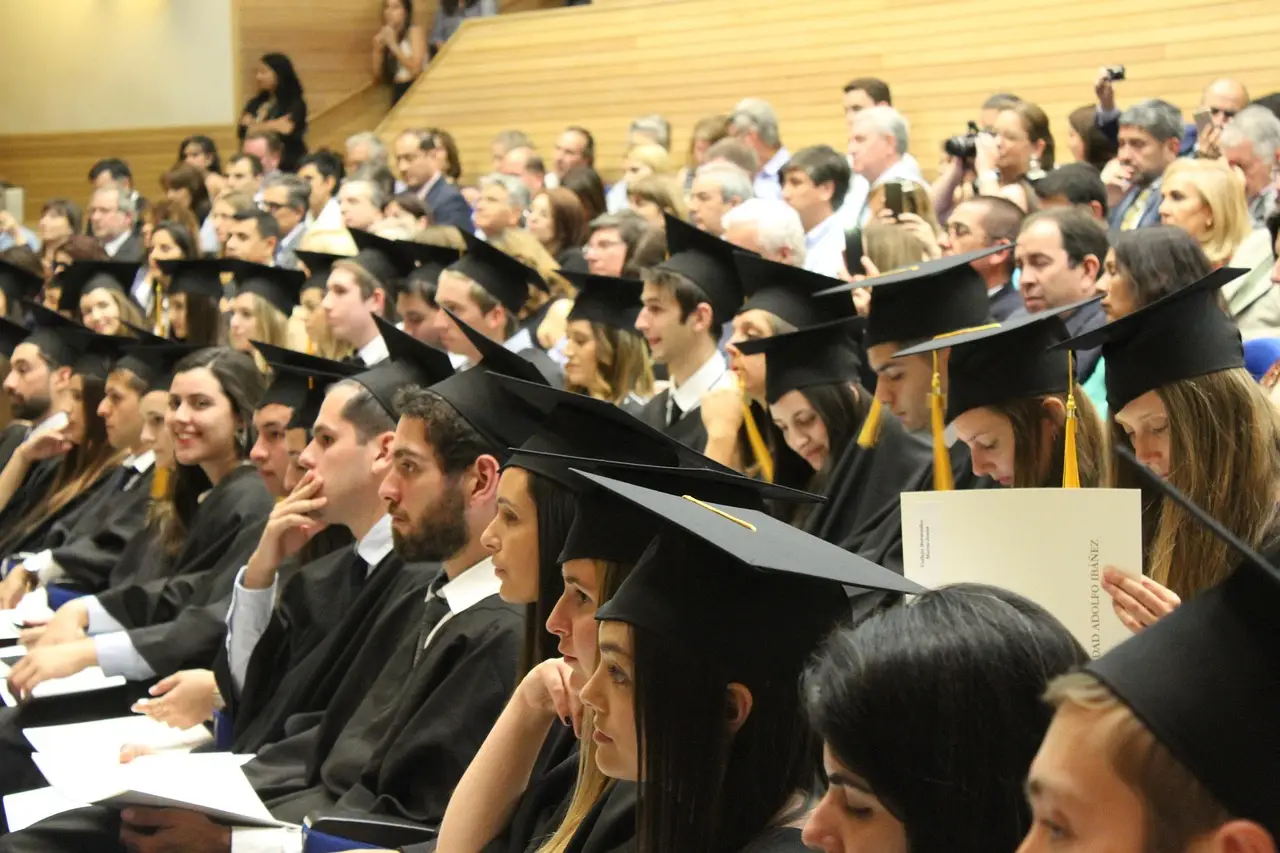
Thousands of Kenyan students are preparing to graduate and enter that market, but the absence of a dated cohort means the 11.6-month average cannot establish whether the transition is improving or deteriorating.
What is blocking the first job?
The Education News Kenya analysis ranks lack of work experience as the most significant barrier, followed by limited job opportunities and then skills mismatch. The order matters, although the source provides no numerical weighting for those three obstacles.
Some students complete their programmes with good grades yet leave university with insufficient exposure to actual workplaces. Their qualifications may satisfy academic requirements without demonstrating that they can contribute immediately, according to the analysis.
That is not the same as saying universities teach useless subjects. The source distinguishes graduates who lack useful skills from those who acquire additional competencies only after entering work. For the latter group, missing experience may matter more than the content of the degree.
Shantel Mutheu, identified as a media student at Rongo University and the author of the analysis, wrote: "Universities must recognise that their responsibility does not end with awarding certificates."
What would close the work-experience gap?
The analysis recommends five forms of practical training:
- Internships
- Industrial attachments
- Work-integrated learning
- Laboratory training
- Project-based learning
Each requires proper supervision and design in consultation with industry, so placements develop relevant workplace competencies rather than simply fulfil academic requirements.
Universities should also involve employers in curriculum development, mentorship, workplace training and graduate recruitment. Those four channels could align course content with hiring needs and strengthen graduates' transition into work, although the source sets no target for placements, participating employers or hiring outcomes.
Can employers and government change the equation?
University reform cannot resolve a shortage of suitable openings by itself, according to the article. It argues that government must improve the availability of employment while employers provide more opportunities.
Some graduates already have the skills and qualifications employers seek and still struggle because opportunities are limited. For this group, the binding constraint is the number of jobs, not another certificate. The source provides no vacancy count, hiring total or layoff figure, so it cannot establish whether that constraint is easing or worsening.
The immediate implication for a job seeker is narrower: on the CUE figures cited, entering the market requires planning on a timescale of months rather than weeks. A long search alone does not demonstrate a graduate's lack of aptitude, and graduation numbers alone do not measure employment readiness.
What should the next graduation cycle measure?
Shantel Mutheu set a test for universities: "The real measure of their success should also be reflected in how effectively they prepare students for life beyond the lecture halls."
For the next graduation cycle, the measurable question is whether supervised placements, industry participation in curricula and stronger employer recruitment reduce the share of graduates waiting beyond one year. Progress should be judged against the cited 25.3 per cent finding work within six months and the four in 10 still searching after a year, not against ceremony attendance or certificates awarded alone.
Original: educationnews.co.ke
More from Sophie Lindqvist
Show full bio
Staff writer covering regulation, policy and their impact on Job market data and labor economics at Path & Pay.
534 articles
Go deeper
- YORA Summit 2026: Kenya's Graduates Face Skills Gap
- Uganda's Skills Gap Raises Red Flags for Youth Employment
- Kenya's TVETs Turn to Industry-Driven Training to Lift Job Placement
- Uganda Turns to Education-Industry Partnerships to Close Skills Gap
- Singapore Fresh Graduate Unemployment Falls by Half Within a Year