Ohio Truck Plant Cuts Nearly 1,400 Jobs Days Before Rally
Nearly 1,400 workers at an Ohio truck factory lost their jobs days before a Trump rally, one of the state's largest single-site manufacturing cuts this cycle.
Updated
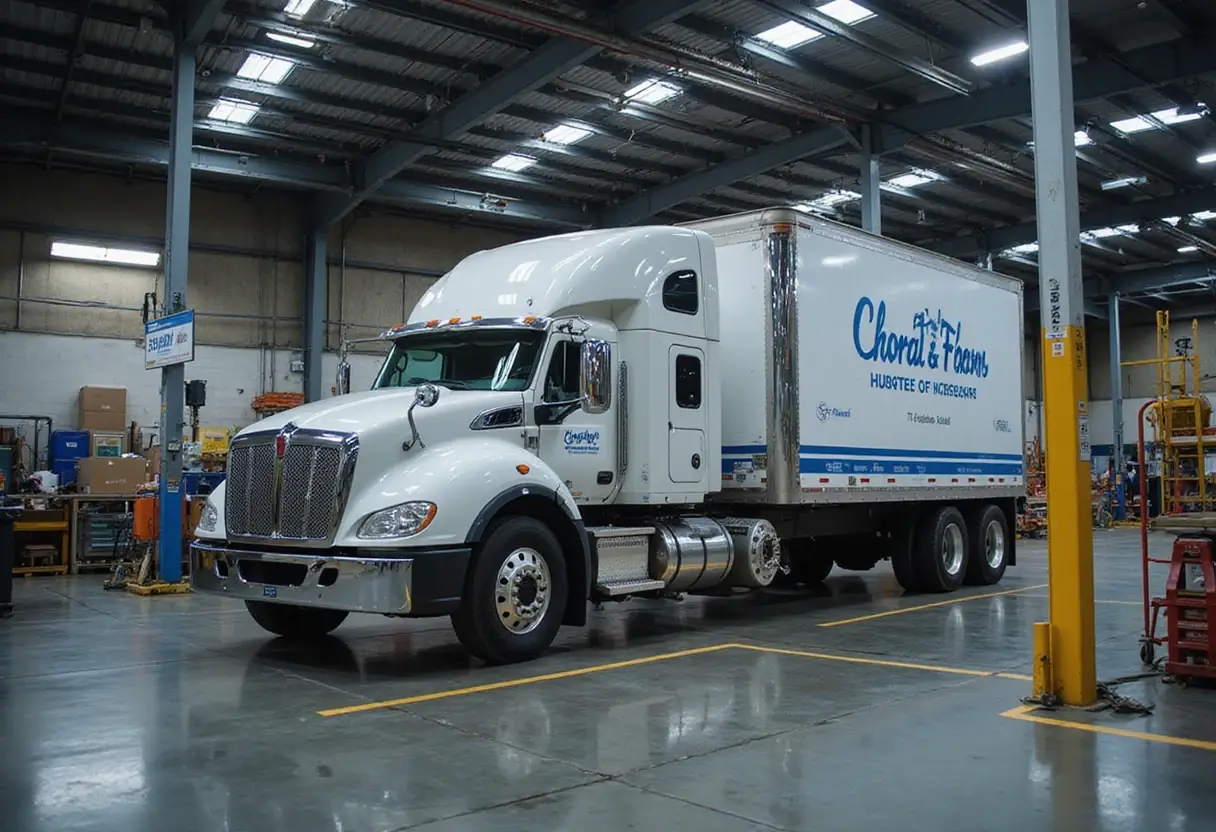
Nearly 1,400 workers at a truck factory in Ohio have been laid off, one of the largest single-site manufacturing job cuts in the state this cycle — and the timing places the layoffs just days before a rally by President Donald Trump in the state. The scale matters for context. A cut of roughly 1,400 positions at one facility is comparable to the payroll losses that some mid-sized U.S. metros record across all industries in a weak month. Concentrated at a single plant, it will register in county-level employment data almost immediately, and the affected workers, their households, and local suppliers will feel it before any monthly jobs report captures it. At the individual level, the market position for displaced truck-plant workers is shaped by a few hard realities. Manufacturing layoffs of this size typically hit production, maintenance, and logistics roles at once, meaning hundreds of workers with overlapping skill sets will be competing for a limited pool of local openings in the same window. Severance terms, recall rights, and whether the layoffs are structured as temporary furloughs or permanent cuts will determine how sharply each household's income trajectory bends — and those details are the first questions affected employees should put to their HR contacts and union representatives, if one is in place. For workers in the region, the practical playbook is concrete rather than motivational. Filing for unemployment insurance immediately, checking eligibility for federally funded trade-adjustment assistance if the layoffs trace to import competition, and treating the first four weeks after notification as the highest-yield window for retraining applications all measurably improve outcomes. Workers with commercial driver's licenses or heavy-equipment experience hold transferable credentials that logistics employers in the Midwest actively recruit for, which narrows the search from "any job" to specific, wage-comparable targets. The political timing adds a layer of scrutiny rather than substance. When a mass layoff lands days before a presidential visit, the numbers themselves become a talking point, and that can distort public understanding of what is a routine but painful labor-market event: employers cut headcount for financial, contractual, or demand-cycle reasons on their own schedule, not the campaign calendar. For the laid-off workers, the rally is background noise; the severance check and the next job posting are the operative facts. What to watch next: whether the company discloses whether these cuts are permanent or temporary, and whether Ohio's rapid-response dislocated-worker programs deploy retraining and placement services to the site in the coming weeks. Those two signals will say more about the employment outlook for these 1,400 workers than any speech delivered in the interim.
Source: Google News: Layoffs
More from Priya Raman
Show full bio
Market editor covering people, launches and day-to-day practice in Job market data and labor economics at Path & Pay.
534 articles