S&P 500 and Dow Futures Rise as Markets Await September Jobs Report
S&P 500 and Dow futures gained as investors positioned ahead of September's jobs report, with Nike among stocks in focus ahead of the labor-market release.
Updated
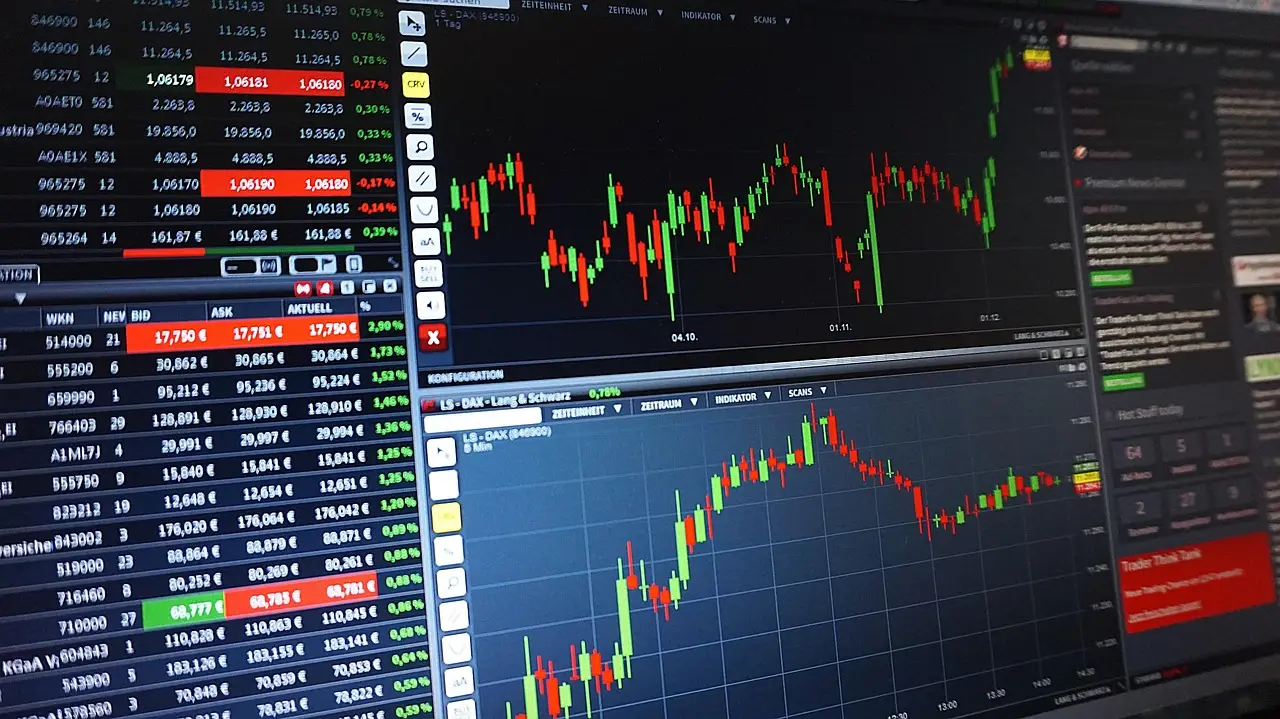
S&P 500 and Dow Jones futures gained in the latest session as investors positioned themselves ahead of September's jobs report, the labor-market release that financial markets treat as a primary input for expectations about the direction of interest rates.
The advance in futures signals that traders are pricing in a constructive view of the upcoming employment data before the numbers land. Pre-report positioning of this kind is standard market behavior: equities, bond yields, and rate expectations frequently reprice sharply within minutes of a jobs release when the actual figures diverge from consensus forecasts.
For readers tracking their own market position rather than their portfolio, the September jobs report carries weight well beyond the trading day it lands on. The report's headline payroll figure, the unemployment rate, and wage growth data together shape Federal Reserve policy expectations. Those expectations, in turn, influence hiring conditions across sectors — from technology and finance to logistics and retail — over the following quarters.
Nike also drew attention in the session, with the apparel giant among the named stocks in focus as futures climbed.
What the futures move does and does not tell you
A gain in S&P 500 and Dow futures before a major data release reflects positioning, not certainty. Futures prices embed a range of scenarios, and a single strong or weak payroll number can erase the move entirely. The labor-market implications for individual workers arrive through a slower channel: hiring plans, wage budgets, and layoff decisions shift as policymakers and corporate executives respond to the accumulated trend of monthly reports, not to any single print.
September's data will arrive with the usual revisions to prior months, a factor that matters for interpretation. Initial payroll estimates are routinely adjusted, and a report that looks strong on release can look materially softer — or stronger — once benchmark revisions land. Analysts at hiring firms consistently advise reading three-month averages rather than single-month headlines when assessing whether conditions are tightening or loosening for job seekers.
Why a jobs report moves equities at all
Equities respond to labor data because employment figures feed directly into monetary policy expectations. Strong hiring and accelerating wages raise the odds that the Federal Reserve keeps policy restrictive; weak data raises the odds of easing. Rate expectations then flow into corporate borrowing costs, valuations, and — with a lag — companies' willingness to add headcount.
For anyone negotiating a job offer or weighing a move, the practical takeaway is timing. Labor-market conditions reflected in the September report will inform hiring momentum into the final quarter of the year, when many companies finalize budgets and headcount plans for the next fiscal period.
Investors will now wait for the September figures to confirm whether the optimism priced into futures aligns with the underlying health of the US labor market.
Source: Google News: Jobs report
More from Priya Raman
Show full bio
Market editor covering people, launches and day-to-day practice in Job market data and labor economics at Path & Pay.
540 articles