Sapiens Chairman: 'The Bad and Ugly Was Sapiens Itself' on Layoffs
Sapiens chairman told Calcalist the company itself was 'the bad and the ugly,' tying the admission to ongoing layoffs and an AI-driven transformation of the insurance-software vendor.
Updated
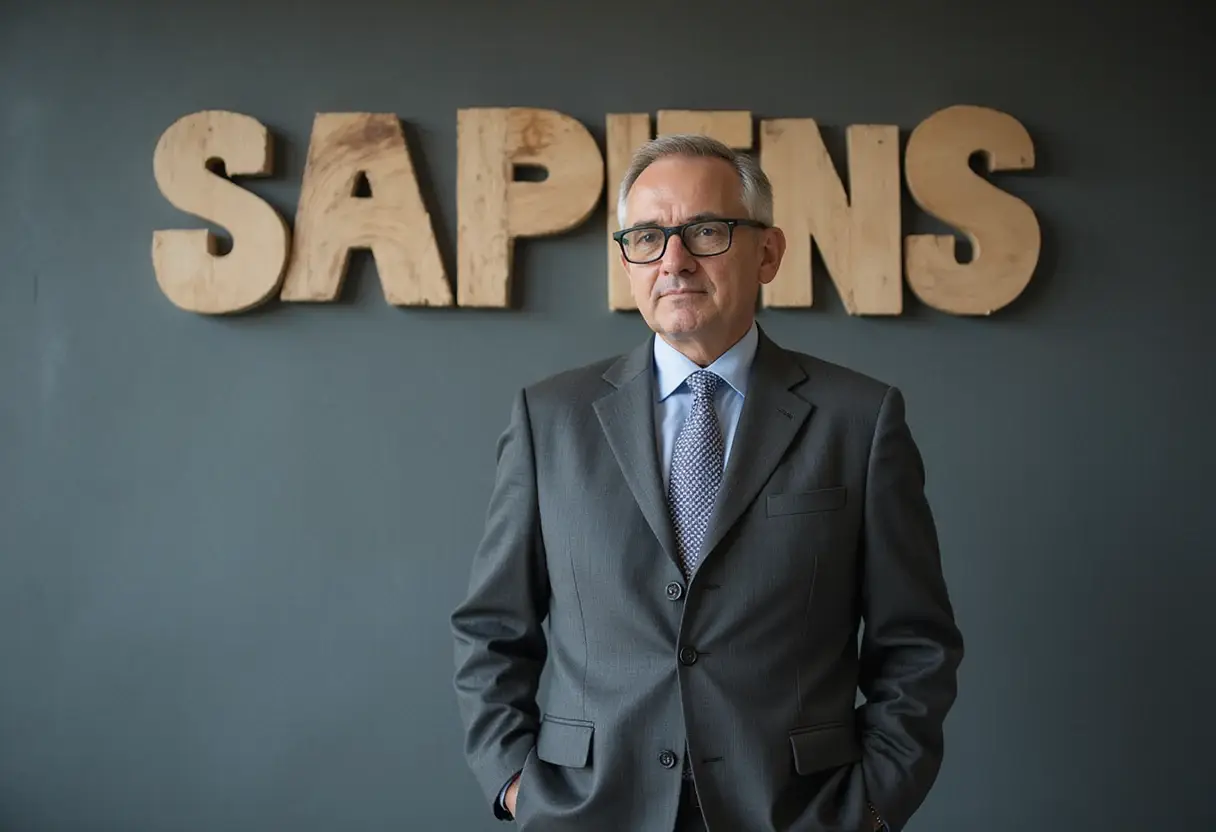
Sapiens chairman has told Israeli business outlet Calcalist that the insurance-software vendor itself was "the bad and the ugly," in an interview that ties the candid admission to ongoing layoffs and the company's AI-driven transformation.
The interview, published on calcalistech.com, anchors the chairman's remarks inside a broader transformation narrative. Three pressure points drive the headline framing: workforce reductions, the role of artificial intelligence in the product roadmap, and an ongoing repositioning of the company. The published quote — "the bad and the ugly was Sapiens itself" — replaces the standard public script of blaming market headwinds.
The phrasing marks a notable departure from the familiar playbook of attributing weakness to macro conditions or competitive pressure. For professionals tracking Israeli enterprise software, the framing carries labor-market signal beyond the headline.
Why the framing matters for the insurance-tech labor pool
Layoff announcements by senior Israeli software executives continue to reshape hiring across the country's insurance-tech and enterprise-software corridors. Pairing the layoff discussion with an explicit AI pivot signals the company's stated answer to the same workforce economics driving the cuts: redeploy remaining headcount toward AI-augmented product work rather than hold the prior staffing shape.
That mix — reductions on one side and AI investment on the other — has become a recognizable pattern in senior Israeli tech communications. It typically frames departed employees as the casualty of legacy operating models, and retained engineers as the cohort expected to operate the new AI-infused stack.
What the chairman's framing signals to departing staff
By naming Sapiens itself as the principal problem, the chairman signals that the restructuring is management-driven rather than a reaction to an external demand collapse. Workers exiting during the cuts can read the admission as leverage for more direct conversations with HR and legal counsel on severance terms and on the company's commitments to re-skilling for AI roles.
For external candidates still evaluating Sapiens job offers, the same framing implies that the company expects ambitious output from a noticeably leaner base. Negotiating candidates may want explicit commitments on team size, on-call expectations and the scope of the AI work they would join.
What the public reporting does not yet say
The Calcalist headline and framing reference layoffs and AI but do not, in the publicly available excerpt, state the specific headcount being reduced, the timeline for AI product rollouts, or the extent of any post-layoff hiring back into AI-specific roles. Those quantitative details — the parts that translate the chairman's narrative into market data — will most likely surface in subsequent company communications and investor disclosures.
For now, the interview functions primarily as a signal: a chair-level admission that internal execution, not market conditions, is the variable the company is now trying to fix.
Source: Google News: Layoffs
More from Grace Kim
Show full bio
Correspondent covering money, funding and market shifts around Job market data and labor economics at Path & Pay.
505 articles
Go deeper
- Are Companies Blaming Layoffs on AI Too Quickly?
- Inc.com Pushes Back on the AI-Layoff Narrative: A Skeptical Read
- Fortune 500 reframes AI talent gap as critical thinking shortage
- The Atlantic's 'Non-AI AI Jobs' Reframes the Hiring Debate
- AI Layoffs Are 'Creative Destruction,' Says Outgoing Israel Innovation Chief