Saudi Arabia Unemployment Falls to 3% in Q2 as Labor Market Expands
Saudi Arabia's unemployment rate fell to 3% in Q2, GASTAT data shows, as Vision 2030 diversification drives job creation — though Saudi national unemployment edged up to 6.5%.
Updated
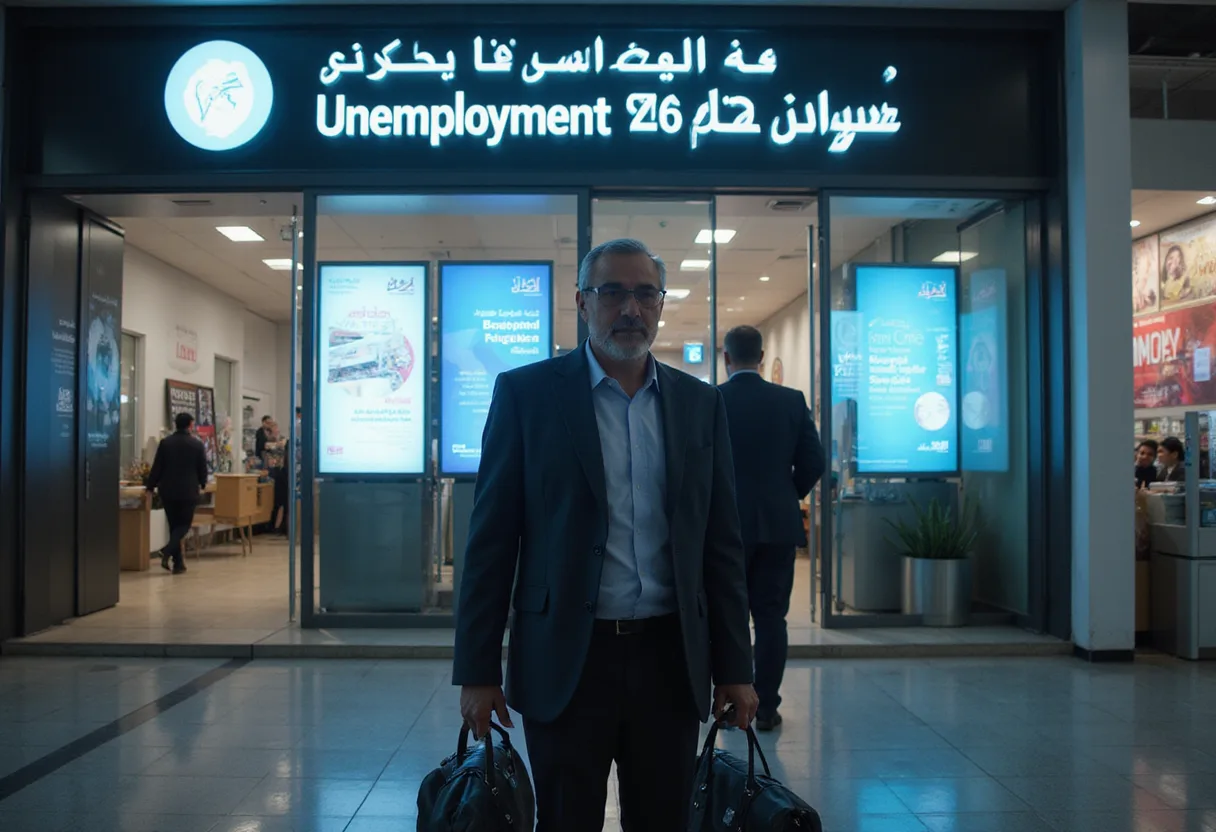
Saudi Arabia's overall unemployment rate fell to 3 percent in the second quarter, a 0.2 percentage point drop from a year earlier and 0.1 points below the previous quarter, according to the General Authority for Statistics (GASTAT). The figure covers both Saudis and non-Saudis.
The national labor force participation rate held steady at 67.2 percent quarter on quarter, though it rose 1 percentage point year on year — a signal that the economy continues to pull workers into the labor market even as diversification programs accelerate.
The headline strength, however, masks more mixed results at the level of Saudi nationals specifically.
Saudi national indicators soften
Unemployment among Saudis ticked up to 6.5 percent in Q2, GASTAT reported — a 0.1 percentage point rise from the previous quarter, though still 0.3 points lower than in Q2 2025. The Saudi labor force participation rate declined to 48.7 percent, down 0.3 points quarter on quarter and 0.5 points year on year. The employment-to-population ratio for Saudis fell to 45.5 percent, down 0.3 points from the prior quarter and 0.4 points year on year.
Saudi Arabia has already met its Vision 2030 target of reducing unemployment among Saudi nationals to 7 percent. The government is now aiming for 5 percent by the end of the decade, with continued emphasis on raising women's workforce participation as a pillar of its labor market reforms.
For individual jobseekers, the divergence between the falling overall rate and the slight rise in Saudi unemployment means the market is expanding largely through economy-wide job creation, while competition among Saudi nationals for roles has edged marginally tighter this quarter.
Female unemployment rises from record low
Unemployment among Saudi women increased by 0.6 percentage points to 9.6 percent in the second quarter, and their labor force participation rate slipped 0.2 points to 33.7 percent. Among Saudi men, unemployment fell 0.1 points to 4.8 percent.
"A marginal upward movement in female unemployment comes straight after the lowest female unemployment rate on record, and is well within the range you would expect in a market growing this fast," said Amr Kazimi, principal at Arthur D. Little. He added that demand among women to work continues to rise, and that the priority should be converting that demand into jobs through flexible work arrangements, better childcare and transport, and greater access to mid-level and technical roles.
Private sector appetite runs high
The GASTAT survey data points to strong alignment between unemployed Saudis and private-sector employers. A total of 96.7 percent of unemployed Saudis said they would accept an offer from a private company.
Willingness to accommodate job requirements also runs deep. Among unemployed Saudi women, 62.2 percent said they would accept a commute of up to one hour, compared with 46.7 percent of men. On working hours, 70 percent of unemployed women and 82.9 percent of men said they would accept shifts of eight hours or more per day.
Anil Singh, chief business officer at TASC Outsourcing, said the decline in unemployment reflects the growing range of employment opportunities across the economy.
"Economic diversification under Vision 2030 is driving demand across sectors, including technology, tourism, hospitality, logistics, healthcare, and professional services, while continued investment in major projects is creating new roles and career pathways," he said.
Singh described the near-universal willingness to work in the private sector as an "encouraging indicator of the growing alignment between jobseekers and the private sector," adding that the next step is strengthening mechanisms that connect available talent with the right opportunities.
With the 5 percent Saudi unemployment target now in sight for the end of the decade, the Q2 figures suggest the pace of progress will depend increasingly on converting rising labor demand — particularly among women and in private-sector roles — into sustained employment matches.
Original: stats.gov.sa
More from Sophie Lindqvist
Show full bio
Staff writer covering regulation, policy and their impact on Job market data and labor economics at Path & Pay.
502 articles
Go deeper
- Saudi Female Workforce Participation Hits 37% at Riyadh Forum
- Saudi Arabia and EU Open Talks on Skills and Employment
- Flight Cancellations to Saudi Arabia: A Labor-Market Question
- Gulf 'Nationalization' Creates Jobs but Won't Replace Migrant Labor
- U.S. Added Just 29,000 Jobs in September as Unemployment Hit 4.2%