State DOTs put road-worker safety at the center of operations
Missouri’s safety team has united about 120 leaders across divisions for nearly three years. At AASHTO’s 2026 summit, state DOT leaders detailed the workplace changes behind that model.
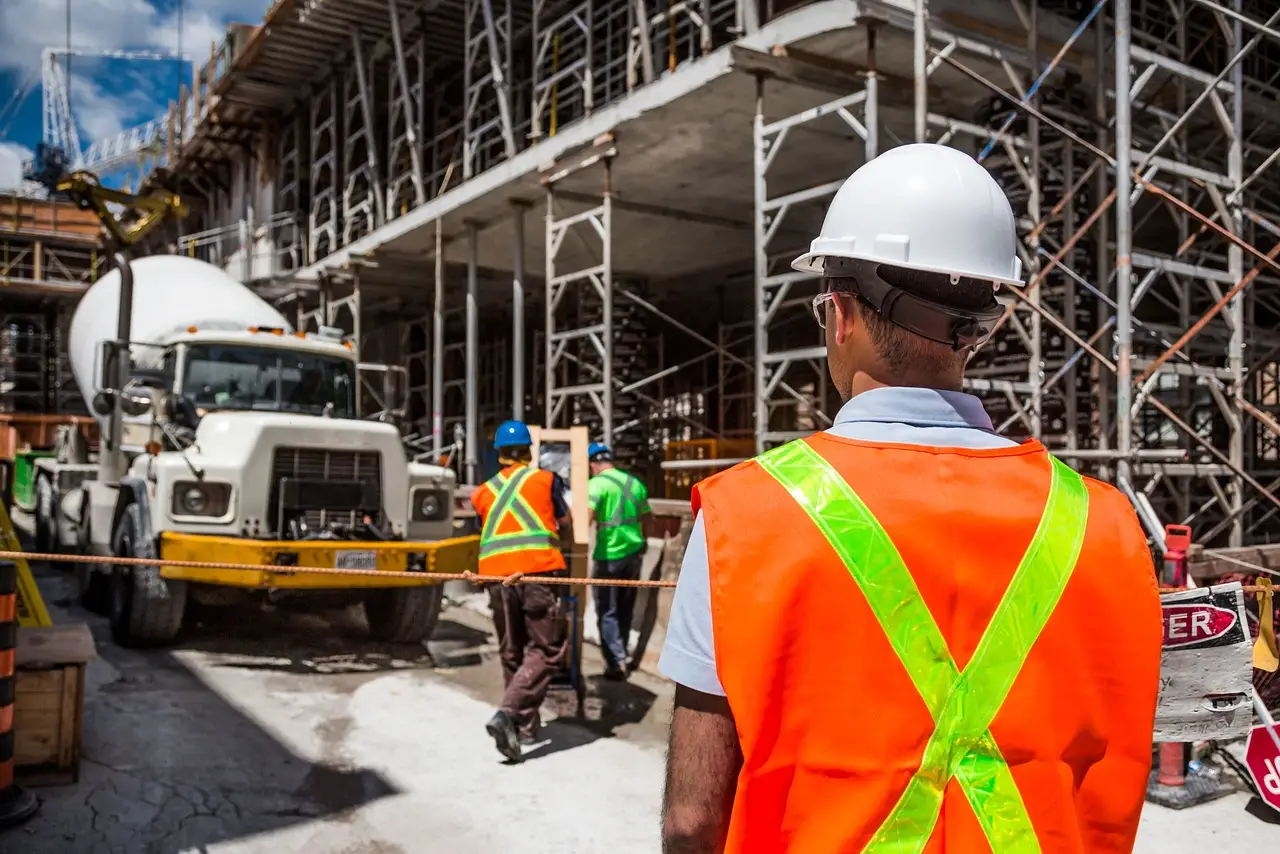
About 120 Missouri Department of Transportation leaders from every division formed a pandemic response team, then shifted it into a safety group that had operated for nearly three years by September 2026.
By Priya Raman
State transportation leaders met at the American Association of State Highway and Transportation Officials’ 2026 Safety Summit in Hartford, Connecticut, in September. One session focused on protecting workers in roadway work zones. Jordan Striff, Wyoming DOT’s employee program safety manager, moderated “Championing Employee Safety Throughout the Organization.” Striff said leaders shape protection through priorities, culture, mental-health support, technology and research.
The panel included Russell McMurry, AASHTO president and Georgia DOT commissioner, and Garrett Eucalitto, immediate past AASHTO president and Connecticut DOT commissioner. Also joining them were Becky Allmeroth, Missouri DOT’s chief safety and operations officer, and Scott Taylor, a Wyoming DOT district engineer.
Striff also serves as president of the North American Association of Transportation Safety and Health Officials, or NAATSHO, a nonprofit working to reduce transportation-worker injuries and incidents. NAATSHO renewed its memorandum of understanding with AASHTO in early 2026 because, he said, “our groups are converging on the same mission.” Employee protection and public safety reinforce each other.
Striff tied that shared mission to daily operations: “Because, as public servants, our primary goal is to provide a safe and effective transportation system,” he said. Without employees doing the job each day and protecting highway travelers, he warned, agencies would fail.
What did Missouri’s 120-leader team change?
Allmeroth said the organization created a pandemic response team of about 120 leaders from every division just as it emerged from COVID-19. Leaders asked whether they could shift that focus toward safety. The resulting safety response team had operated for nearly three years. It brought every division leader and every district leader into shared safety goals.
That structure moves safety beyond a specialist office. It gives engineering, maintenance and operations leaders a common forum, while headquarters and field leaders work toward the same goals.
What does this change for a state DOT employee?
Russell McMurry described safety culture as something that must keep changing. No agency can declare a perfect result, he said, because leaders must keep identifying what to improve and reflecting on performance. His practical test was whether workers felt empowered to stop work.
“I always say, ‘I want you to throw the flag,’” McMurry said. Workers should be able to say, “I don’t feel comfortable; there’s got to be a safer way to do this.” That authority depends on leaders following through when conditions feel wrong.
Scott Taylor placed leadership availability near the center of that culture. Leaders must move between headquarters and the field, hear employee concerns and break down silos. His model put safety ownership with engineering, maintenance and operations leadership, rather than isolating it inside safety offices.
Taylor also said safety systems should catch people doing something good more often, not mainly identify misconduct. He said that practice had improved programs and morale, while giving employees a more positive view of safety.
For an individual employee, that creates a stronger position when challenging unsafe work: a concern can reach leaders across divisions instead of stopping at a work zone. The AASHTO Journal’s summit account is a practitioner account, not a national survey. It reports no injury-rate series, workforce sample size or revision schedule. It also offers no hiring, wage or attrition benchmark. The evidence concerns operating practices, not a national safety ranking.
How do protections extend to an employee’s family?
Garrett Eucalitto argued that worker protection must extend to surviving family members. He advised agencies without a recent line-of-duty death to examine their statutes and benefit rules. Connecticut’s last fatality had come 12 years before Andrew DiDomenico was killed two years before the summit. Eucalitto said the death exposed loopholes in the benefits available to survivors. State leaders then changed some laws, extending protections in areas they had not previously considered part of employee safety.
The 2026 summit produced operating practices rather than a national safety benchmark. Its test will be whether workers can stop unsafe work, field leaders can respond quickly and family protections remain in force before another loss makes reform unavoidable.
Source: aashtojournal.transportation.org
More from Priya Raman
Show full bio
Market editor covering people, launches and day-to-day practice in Job market data and labor economics at Path & Pay.
606 articles