Stelco Defends Layoffs, Citing 58% Collapse in U.S. Steel Exports
Stelco defends layoffs by citing foreign imports and a 58% plunge in U.S. steel exports, tying job cuts directly to collapsing trade flows.
Updated
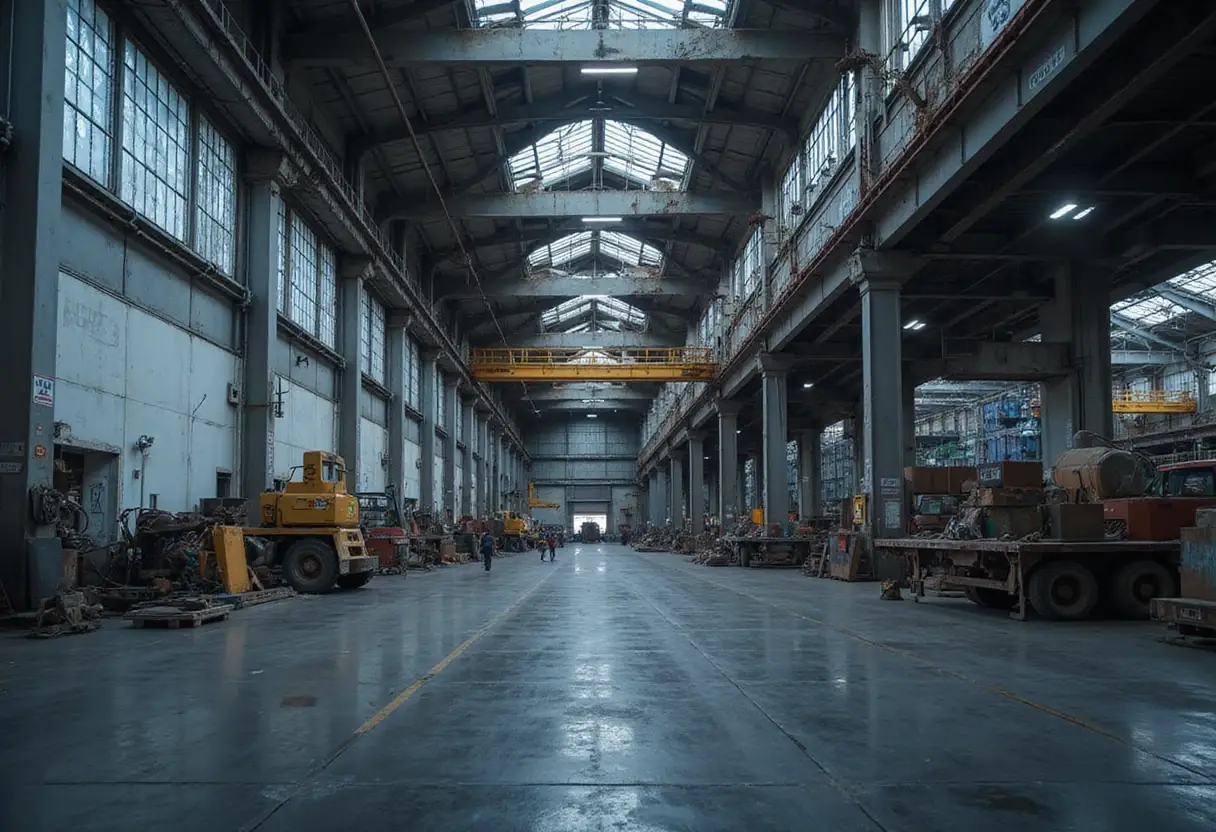
U.S. steel exports fell 58%, and Stelco is putting that number at the center of its defense of layoffs at its Ontario operations. The Hamilton-based steelmaker argues that foreign imports and the collapse in cross-border shipments left it no room to keep current staffing levels intact.
The figure matters beyond one company's balance sheet. A drop of that size in export volumes signals weak demand flowing through the entire North American supply chain. Mills that ship south absorb the shock first. Then it reaches the trades, logistics and suppliers clustered around them.
What does this change for steel workers?
For workers in steelmaking regions, the practical question is straightforward: how durable is my job when export demand disappears this fast? Stelco's position suggests the company views the layoffs as a market-driven response, not a temporary adjustment. Workers should read the 58% export plunge as context for bargaining, recall timelines and decisions about retraining.
For job seekers in manufacturing more broadly, the lesson is about exposure. Roles tied to export volumes carry more risk when trade flows shift. Positions serving domestic-only demand tend to hold steadier through these cycles.
Sector detail versus the national picture
At the national level, trade data of this kind moves slowly and revises often. A single-period figure like the 58% decline can reflect both real demand loss and one-off shipment distortions. At the sector level, though, steel is a concentrated industry. One producer's layoff decision, defended publicly with trade statistics, tells competitors, unions and regional employers where pricing pressure sits right now.
Foreign imports compound the squeeze. When import share rises, domestic mills lose volume twice: once in export markets and once at home. Stelco named both pressures in defending its staffing cuts.
What to watch next
Watch whether other North American producers cite the same export data in their own staffing decisions. If the 58% figure appears again in coming quarters, it will confirm a sector-wide contraction rather than a company-specific one. For now, Stelco has tied its workforce math directly to trade flows, and those flows will decide if the cuts hold or reverse.
Source: Google News: Layoffs
More from Priya Raman
Show full bio
Market editor covering people, launches and day-to-day practice in Job market data and labor economics at Path & Pay.
540 articles
Go deeper
- Stelco Defends Layoffs, Citing 58% Plunge in U.S. Steel Exports
- Stelco cites 58% U.S. steel-export drop to defend layoffs
- Stelco Defends Layoffs, Cites 58% Plunge in U.S. Steel Exports
- Stelco Layoffs Show How Tariffs Hit Workers Down the Supply Chain
- Stelco Cites 58% U.S. Steel Export Plunge to Defend Layoffs