Stelco Defends Layoffs, Citing 58% Collapse in U.S. Steel Exports
Stelco is defending layoffs by pointing to a 58% plunge in U.S. steel exports, blaming foreign imports for the collapse. Here's what the number signals for steelworkers.
Updated
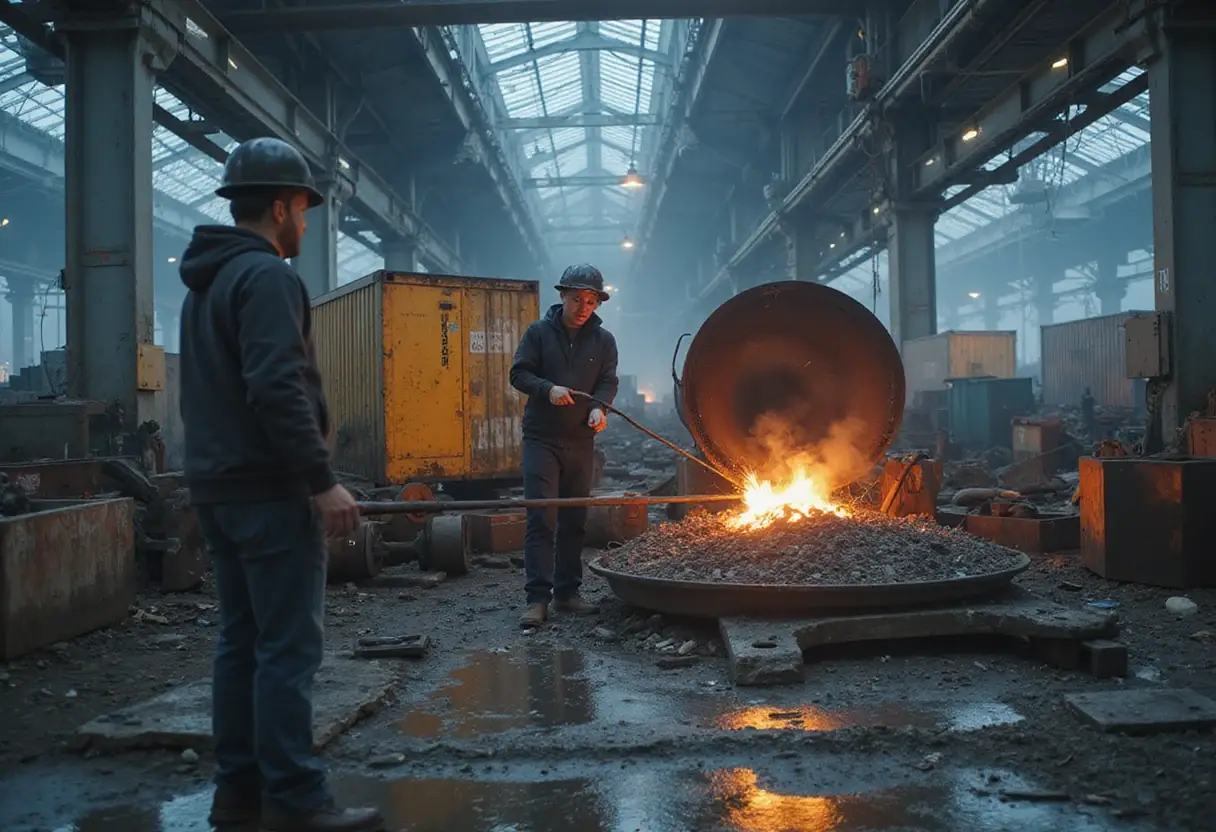
U.S. steel exports to Canada fell 58% — and Stelco is putting that number at the center of its defense of layoffs. The company blames foreign imports for the plunge, according to a report by CFJC Today Kamloops. It's a striking figure, and it does most of the talking in this story.
For workers in the steel sector, one number reframes the whole conversation. A 58% drop in exports isn't a soft market. It's a structural squeeze.
What is Stelco actually saying?
Stelco's argument is straightforward. Foreign imports, the company says, have flooded the North American market and pushed U.S. steel exports off a cliff. The 58% plunge is the evidence the company cites as it defends its decision to cut jobs.
The logic runs like this: when imports capture demand, domestic mills ship less. When mills ship less, they need fewer people making steel. Layoffs, in Stelco's framing, are a consequence, not a choice.
That framing matters. Companies that attribute cuts to trade conditions are making a public case — one that regulators, unions and governments will scrutinize. Stelco has chosen to make that case with a hard export statistic rather than a vague reference to market softness.
National trend versus sector reality
At the macro level, a 58% collapse in U.S. steel exports is a trade story. At the plant level, it's a jobs story. Both are true at once.
The steel labor market doesn't move like the broader economy. Manufacturing employment can hold steady nationally while specific commodity subsectors — steel, aluminum, lumber — absorb concentrated shocks. That's what a figure like this one signals. If you work in steel, your market position is shaped less by the headline unemployment rate and more by import volumes and trade policy.
The CFJC Today Kamloops report indicates Stelco sees the import surge as the decisive factor. That's a company position, not an independent finding — a distinction anyone reading the number should keep in mind.
What does this mean for steelworkers?
For an individual worker, the relevant question isn't whether the macro argument is sound. It's what the number implies for hiring, hours and job security at affected operations.
A 58% export decline suggests demand pressure that doesn't reverse in a quarter. Workers in downstream roles — fabrication, finishing, logistics tied to mill output — typically feel these effects with a lag. Suppliers and contractors feel them too.
The takeaway in plain words: Stelco has tied its layoffs to a specific, dramatic trade figure, and that figure points to pressure that steel-sector workers should treat as durable rather than temporary.
What comes next
Expect the 58% export figure to keep circulating in trade-policy debates, in union responses and in any regulatory review of Stelco's conduct. As CFJC Today Kamloops reports, the company's defense rests on the claim that foreign imports drove the collapse — and whether that claim holds up will shape both the political fight and the hiring outlook for the sector.
Source: Google News: Layoffs
More from Tom Whitfield
Show full bio
Senior reporter covering regulation, policy and their impact on Job market data and labor economics at Path & Pay.
515 articles
Go deeper
- Stelco Defends Layoffs, Citing 58% Plunge in U.S. Steel Exports
- Stelco Defends Layoffs, Citing 58% Plunge in U.S. Steel Exports
- Stelco Defends Layoffs, Cites 58% Plunge in U.S. Steel Exports
- Stelco Cites 58% U.S. Steel Export Drop to Defend Layoffs
- Stelco cites 58% U.S. steel-export drop to defend layoffs