Swiss SMEs, Not Giants, Are Driving the Country's AI Hiring Boom
Switzerland's AI hiring surge is being powered less by multinationals than by small and mid-sized enterprises, according to new swissinfo.ch reporting on the Swiss labor market.
Updated
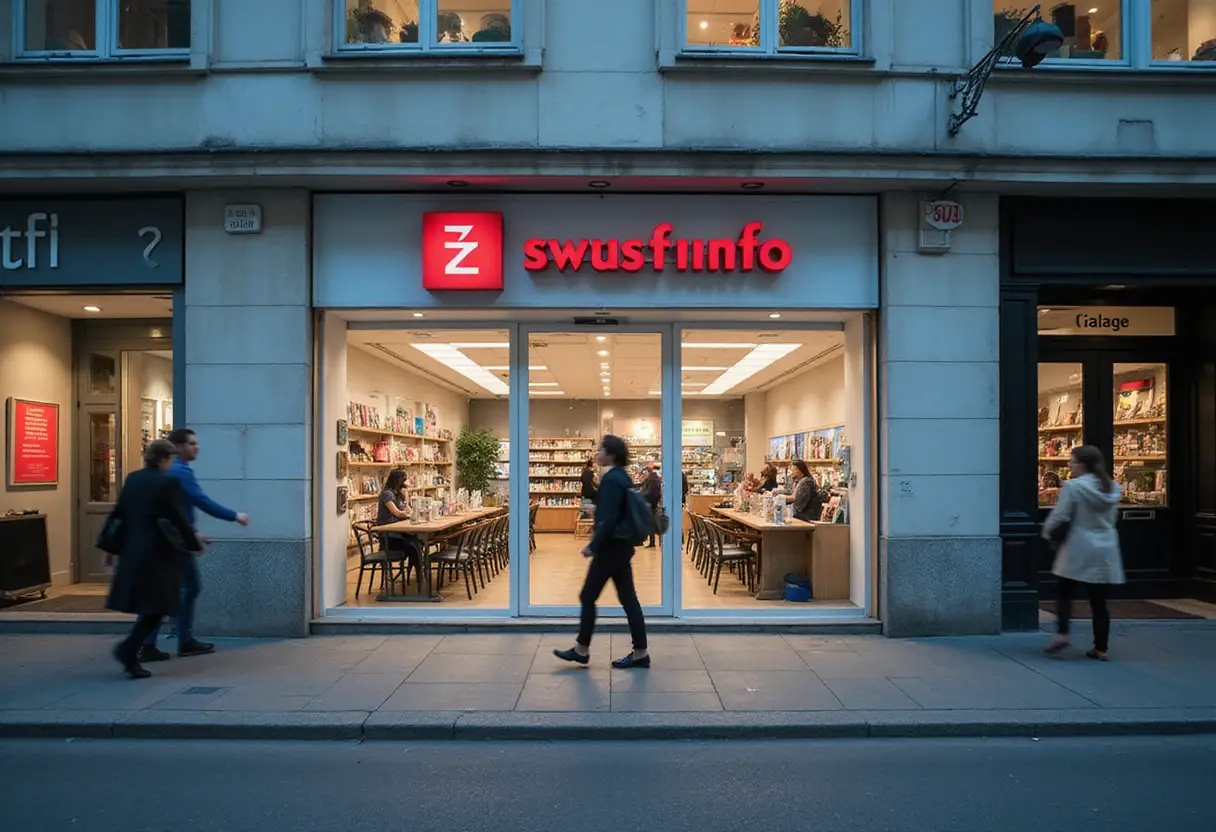
Switzerland's boom in artificial-intelligence job postings is being driven by small and mid-sized enterprises rather than the country's corporate giants, according to reporting published by SWI swissinfo.ch.
The finding matters for anyone tracking the Swiss labor market, because it overturns the default assumption that frontier AI work concentrates inside large corporations with big research budgets. If SMEs are the ones posting and filling AI roles, the demand for these skills is broader, more distributed across the economy, and more accessible to job seekers outside the largest employers.
What does the swissinfo.ch finding actually say?
The core claim is structural: the growth in Switzerland's AI-related vacancies and hiring activity now comes predominantly from the SME sector. Swiss SMEs form the backbone of the national economy, and the swissinfo.ch analysis positions them as the primary source of new AI jobs in the current cycle.
That framing carries two implications. First, AI adoption in Switzerland is no longer confined to specialized tech firms or multinational headquarters functions. Second, the hiring is happening across the country's dense network of small and mid-sized industrial, service and engineering companies — the firms that make up the majority of Swiss employers.
What does this mean for an individual's market position?
For a professional in Switzerland weighing an AI-related move, the signal is about where the openings are. If SMEs lead the hiring, candidates do not need to compete for a narrow slice of positions at a handful of large corporations. Mid-sized companies typically hire faster, expect broader skill sets, and offer earlier responsibility — a different value proposition than a research seat at a large lab.
For employers, the same finding cuts both ways. SMEs driving AI hiring means competition for AI-literate talent has spread down the market. Smaller firms that once recruited without contending for these profiles now bid against companies of every size, and candidates with demonstrable AI skills hold a stronger hand than the aggregate jobs data alone would suggest.
How solid is the evidence?
Readers should note the limits of what is public in the swissinfo.ch item itself. The article identifies the SME sector as the driver of Switzerland's AI job-market growth, but the summary available to Path & Pay does not specify the underlying dataset, sample size, time period or methodology — for example, whether the analysis draws on vacancy-text scraping, a specific job-board universe, or federal employment statistics. Readers making decisions on this basis should treat the direction of the finding as reported and check the full swissinfo.ch article for the exact figures and any revisions.
This caveat does not weaken the story's practical relevance. A national outlet with swissinfo.ch's reporting track record flagging SMEs as the engine of AI hiring is itself a market signal, and it aligns with the broader pattern economists have observed in other advanced economies: AI diffusion through the business fabric happens through mid-sized adopters, not only through headline-name laboratories.
What comes next?
The swissinfo.ch analysis suggests the next phase of Switzerland's AI labor market will be decided in the SME segment — whether those firms can keep filling specialized roles, and whether the current pace of AI vacancy growth holds as adoption moves from pilot projects to routine operations.
Source: Google News: Job market
More from Grace Kim
Show full bio
Correspondent covering money, funding and market shifts around Job market data and labor economics at Path & Pay.
505 articles