Tariff-Hit Factories Close and Cut Jobs as GOP Voters Push Back
Tariff-driven cost shocks have forced US factories to close or lay off workers — and Republican voters are revolting against Trump's trade agenda, Fortune reports.
Updated
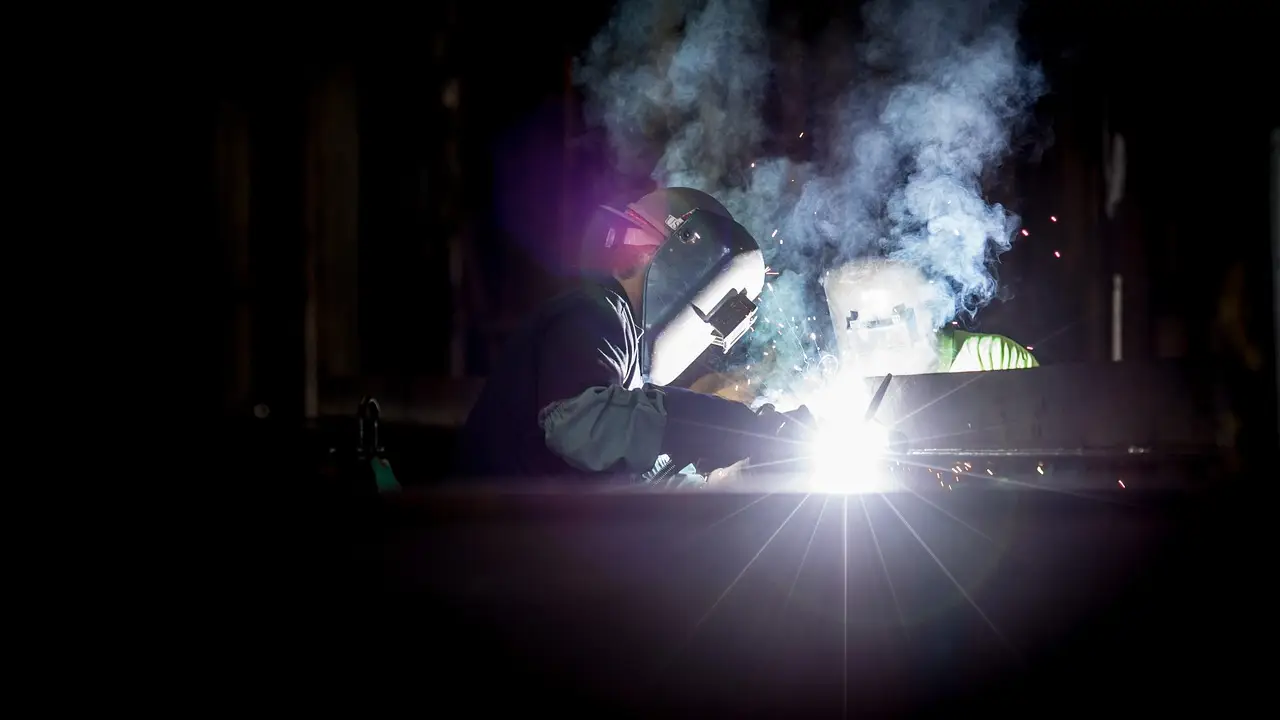
US factories have shut down or laid off workers as a direct consequence of President Donald Trump's tariffs, and the backlash has now reached his own electoral base: Republican voters are openly revolting against the trade policy, Fortune reports.
The story marks a rare break in a coalition that has largely tolerated economic disruption in exchange for the broader Trump agenda. This time, the disruption is landing directly on factory floors and paychecks in communities that backed the president.
What is happening on the ground?
According to Fortune's reporting, the tariff policy has produced two visible outcomes:
- US factories forced to close outright, unable to absorb the cost shock of imported inputs subject to tariffs
- Factories staying open but laying off workers as margins compress and orders fall
The affected plants are the very manufacturers the tariffs were designed to protect. For firms that depend on imported components, duties raise production costs faster than any pricing power can offset. The result is not reshoring but shutdown.
Why are GOP voters revolting?
The political reaction, not just the economic damage, is the story's sharpest edge. Republican voters — including in manufacturing-heavy regions that form the party's core — are turning against the tariff agenda as layoffs spread, Fortune reports.
The logic is straightforward for a worker watching a plant gate close: a policy promised to bring factories back is instead eliminating the factory jobs that remained. That gap between promise and outcome is what is fueling what Fortune describes as a revolt inside the president's own coalition.
For workers in affected sectors, the practical read is harder. A plant closure eliminates not just a job but the local wage benchmark an entire town negotiates against. Even workers who keep their positions face a weaker bargaining position when a nearby competitor's shutdown adds job seekers to the local pool.
What does this mean for manufacturing workers?
Manufacturing employment decisions in the affected towns now hinge on tariff policy rather than demand cycles. Workers face three distinct scenarios:
- Plant closure: permanent job loss, with reemployment typically requiring retraining or relocation
- Layoffs: temporary or permanent cuts that reset seniority and wage progression even if recalled
- Survivor positions: retained jobs, but often with frozen wages as employers absorb tariff costs
Fortune's account makes clear the pain is not evenly distributed. It concentrates in specific plants and communities, which means the labor-market damage shows up locally and sharply long before it appears in national statistics.
What comes next?
The political pressure from within the GOP base may prove more consequential than opposition from Democrats, because it threatens the coalition that sustains the policy. Whether that pressure forces a recalibration of the tariff schedule — or hardens it — will determine how many more factory gates close, and how many more Republican voters join the revolt Fortune documents.
Source: Google News: Layoffs
More from Tom Whitfield
Show full bio
Senior reporter covering regulation, policy and their impact on Job market data and labor economics at Path & Pay.
517 articles
Go deeper
- US Companies Now Explicitly Blame Trump Tariffs for Layoffs
- Ohio Factory Layoffs Put Working-Class Support to the Test
- Hamilton Steel Plant to Cut Up to 500 Jobs; Canada Blames Trump
- US-Owned Steel Plants in Canada Start Mass Layoffs Over Tariffs
- Carney Accuses US Steelmaker of Betraying Canadian Workers