Texas Added 391,243 Residents in a Year — and Real Estate Agents Are Following
Texas grew by 391,243 residents in the year through July 2025 and permitted a national-high 210,217 homes, creating room for new agents in fast-growing suburbs and new construction.
Texas gained 391,243 residents in the 12 months ending July 2025 — the largest increase of any state — and its population now sits near 31.7 million, 8.8% above the 2020 level. For anyone weighing a real estate license, that single figure frames the opportunity: every newcomer is a future tenant, buyer or seller, and many will start households of their own.
The state's growth machine runs on scale, not scarcity. Unlike expensive coastal markets with little buildable land, Texas business depends on sheer size, relocating people and a pipeline of newly built homes.
Where is the demand actually coming from?
Raw population counts understate how much Texans move. In 2024, the state accounted for 7.8% of all moves between states, a share topped only by Florida. Another 3.4 million residents changed addresses without leaving Texas — the highest in-state relocation figure in the nation. Newcomers still arrive from California more than anywhere else; once interstate arrivals and departures net out, Texas came out roughly 73,000 residents ahead.
Each of those moves needs an agent. A client arriving from out of state and one moving a few miles away both require help, which gives relocation-focused agents a steady stream of business in and around the big metros.
Which cities are growing fastest?
The five fastest-growing U.S. cities with 20,000 or more residents are all in Texas:
- Celina — 24.6% growth in 2024–2025, population 64,427
- Fulshear — 21.0%, population 64,630
- Princeton — 18.1%, population 43,524
- Melissa — 14.5%, population 29,969
- Anna — 10.2%, population 35,245
Four of the five sit in the Dallas–Fort Worth orbit; Fulshear is outside Houston. Austin, meanwhile, crossed 1 million residents, joining Houston, San Antonio, Dallas and Fort Worth as Texas cities of that size. For new agents, the bigger openings are in suburbs, master-planned developments and up-and-coming markets rather than city centers.
How much is being built?
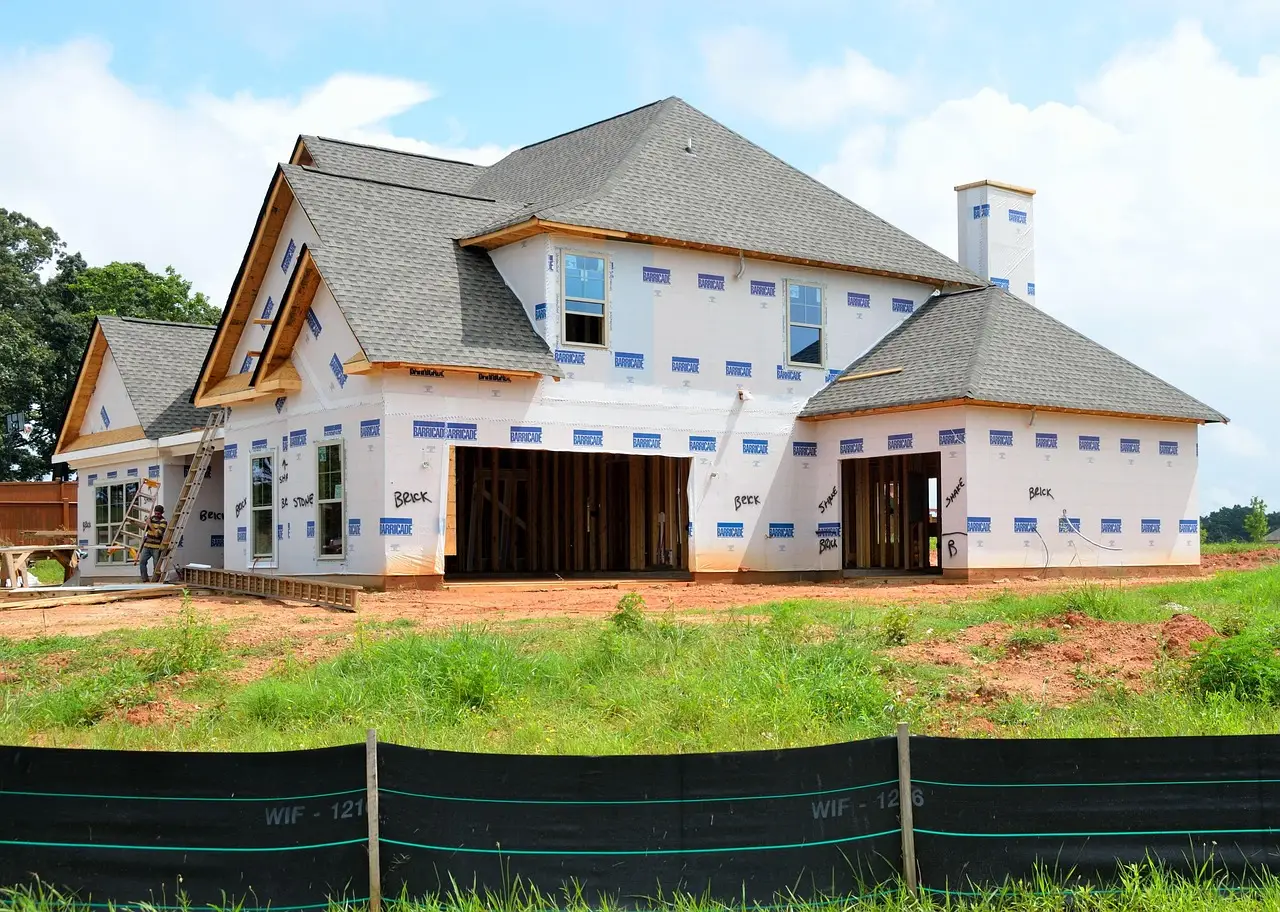
No state authorized more new homes in 2025 than Texas, with 210,217 units permitted. Dallas led all U.S. metros at 66,179 units, Houston ranked second at 65,075 and Austin seventh at 27,322. All three issued fewer permits than in 2024, yet each remains well ahead of most of the country. Whole subdivisions are under construction now, supporting agents who sell new builds, partner with builders or guide first-time buyers.
What does the market look like for buyers?
Buyers have more choice. Statewide active listings rose 2.8% in Q3 2026, with 18 of Texas' 26 metros seeing inventory grow. The median price dipped 0.4% to $333,628, even as 15 metros posted price gains and 12 recorded more sales.
The competitive climate has cooled sharply. Among Texas REALTORS® surveyed in 2026, 69% said their buyers faced no competing offers, up from 57% a year earlier. Seventy-one percent described buyers' search timelines as ample or reasonable, and only 6% blamed a stalled search on thin inventory. Outbidding rivals matters less; advising well matters more. The agents who stand out bring deep neighborhood knowledge, can lay out what different homes really cost each month and know how to maximize builder incentives.
Who else is buying?
International purchasers bought roughly 7,780 Texas homes from April 2025 through March 2026, spending a combined $4 billion — 12% of the nation's international homebuyers. Buyers from Mexico formed the largest group, followed by India, China, Nigeria and the U.K. More than half, 58%, settled in the suburbs, giving agents comfortable with cross-border transactions an expanding specialty.
What does this change for a new agent?
Texas requires 180 hours of qualifying education before licensure, deliverable online through providers such as Colibri Real Estate, with exam prep packages including practice exams and live instructor sessions. Expect paychecks to be inconsistent early on; every specialty — booming suburbs, new construction, relocating families, international clients, rental investors — depends on regular lead generation and relationships built over time.
With millions of residents relocating, suburbs sprouting and homebuilding at massive scale, new households and new housing markets keep appearing across Texas. For agents committed to the work, there is plenty of room to grow alongside them.
Source: housingwire.com
More from Priya Raman
Show full bio
Market editor covering people, launches and day-to-day practice in Job market data and labor economics at Path & Pay.
606 articles
Go deeper
- Texas Adds More Than 154,000 Jobs Over the Past Year
- Texas Job Growth Slows as San Antonio Loses Workers While Austin Gains
- Industrial Hiring Reshapes U.S. Commercial Real Estate Demand
- America's Worker Pipeline Is Thinning Faster Than Its Head Count
- Texas Lands in Top 10 States Where AI Could Disrupt Jobs