Trump administration settles union suit over shutdown-era layoffs
Reuters reports the Trump administration settled union lawsuits over shutdown-era mass layoffs. The headline discloses no agency names, layoff totals, or reinstatement terms — federal HR teams are left guessing on next steps.
Updated
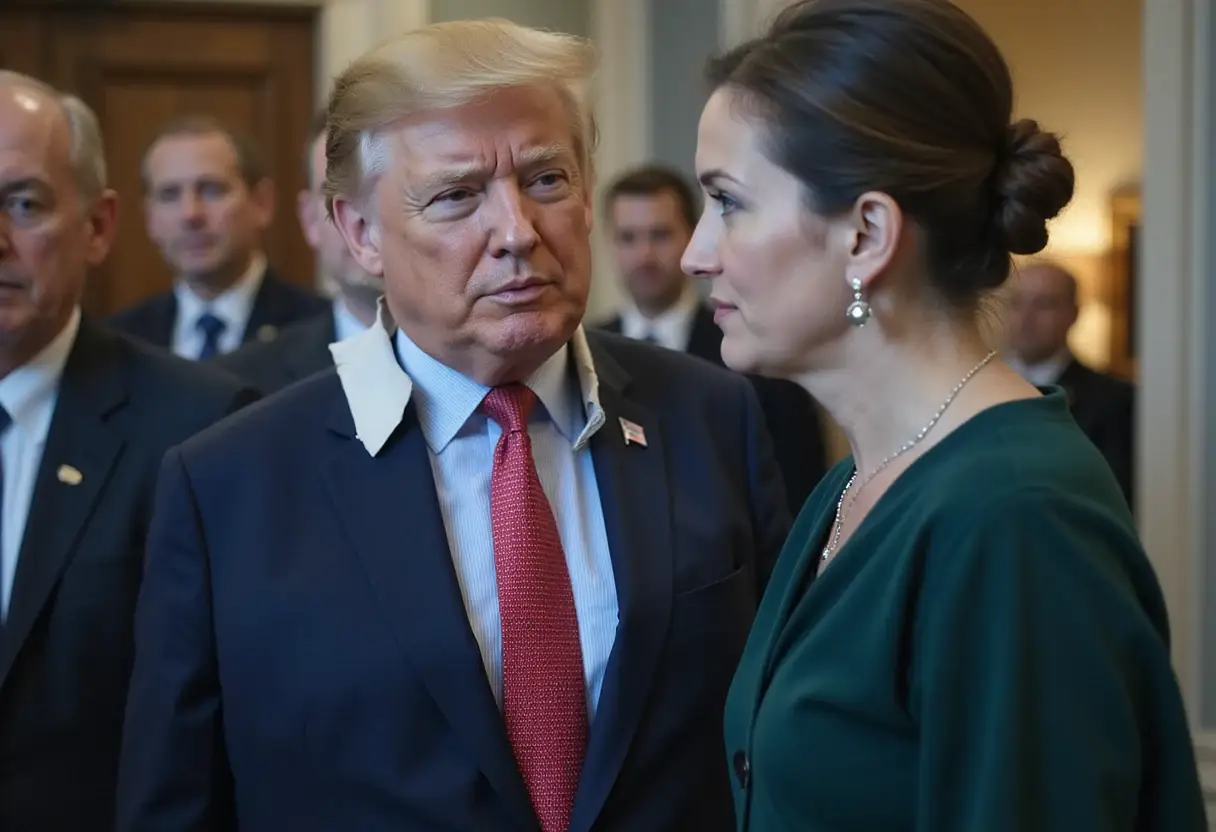
The Trump administration has settled a union-led lawsuit challenging mass layoffs carried out during the recent government shutdown, Reuters reported this week. No numbers, no agency names, no reinstatement terms — just a headline ending the litigation before any judge weighed in.
That matters more than it sounds.
What was actually being challenged?
Unions sued over reductions-in-force — the formal federal term for large-scale involuntary separations — issued while agencies operated without full appropriations. The administration's argument: the cuts were lawful. The unions' counter: shutdown windows don't permit that kind of workforce action. The settlement kills the merits fight. No precedent either way.
What does the settlement change for federal workers?
Practically? We don't know yet. Reuters' headline discloses no settlement terms. Three big questions stay open:
- How many federal employees were separated?
- Which agencies issued the notices?
- Does the deal include reinstatement, back pay, or neither?
For displaced workers and the HR shops tracking them, those aren't academic questions. Federal RIF rules — governed by Title 5 of the U.S. Code and agency-specific collective bargaining agreements — carry restoration rights that private-sector at-will employees don't get. Whether those rights survive this settlement is the unknown.
What does it mean for the broader labor market?
The political read is louder than the legal one. Agencies almost never run major workforce actions during funding gaps because the legal exposure climbs. This administration did. Then it litigated. Then it settled. Read that sequence. The administration treated the precedent as worth fighting for — even against its own unions, in public. Settling now caps the precedent cost. It also telegraphs intent: shutdown windows may get used for workforce cuts again.
Private-sector employers shouldn't overreact. Federal RIF law doesn't port to at-will employment, and the unions involved were federal-specific. But anyone watching federal contracting, grants administration, or agency-adjacent staffing should brace for thinner headcount on the government side.
What's the forward signal?
Watch the docket. Federal union plaintiffs typically post settlement filings within days of resolution. The size of the affected workforce, and whether any separations reverse, becomes legible only when those documents hit the public record. Until then, every shutdown-layoff number circulating online should be treated as unverified. The Reuters headline is the only confirmed data point right now — and it's a thin one.
Source: Google News: Layoffs
More from Daniel Okafor
Show full bio
News editor covering regulation, policy and their impact on Job market data and labor economics at Path & Pay.
479 articles
Go deeper
- Trump administration settles union lawsuit over shutdown-era layoffs
- Federal Shutdown Mass-Layoff Policy Rescinded in Union Settlement
- Federal workers win settlement: shutdown layoff policy withdrawn
- Shutdown Mass-Layoff Policy Rescinded in Union Settlement
- Unions and Federal Government Settle Suit Over Shutdown Layoffs