Undead Labs Shifts to Employee Ownership as Layoffs Loom
Undead Labs confirms it is now employee-owned while a "significant number" of staff face layoffs, with no headcount or terms disclosed. What it means for workers.
Updated
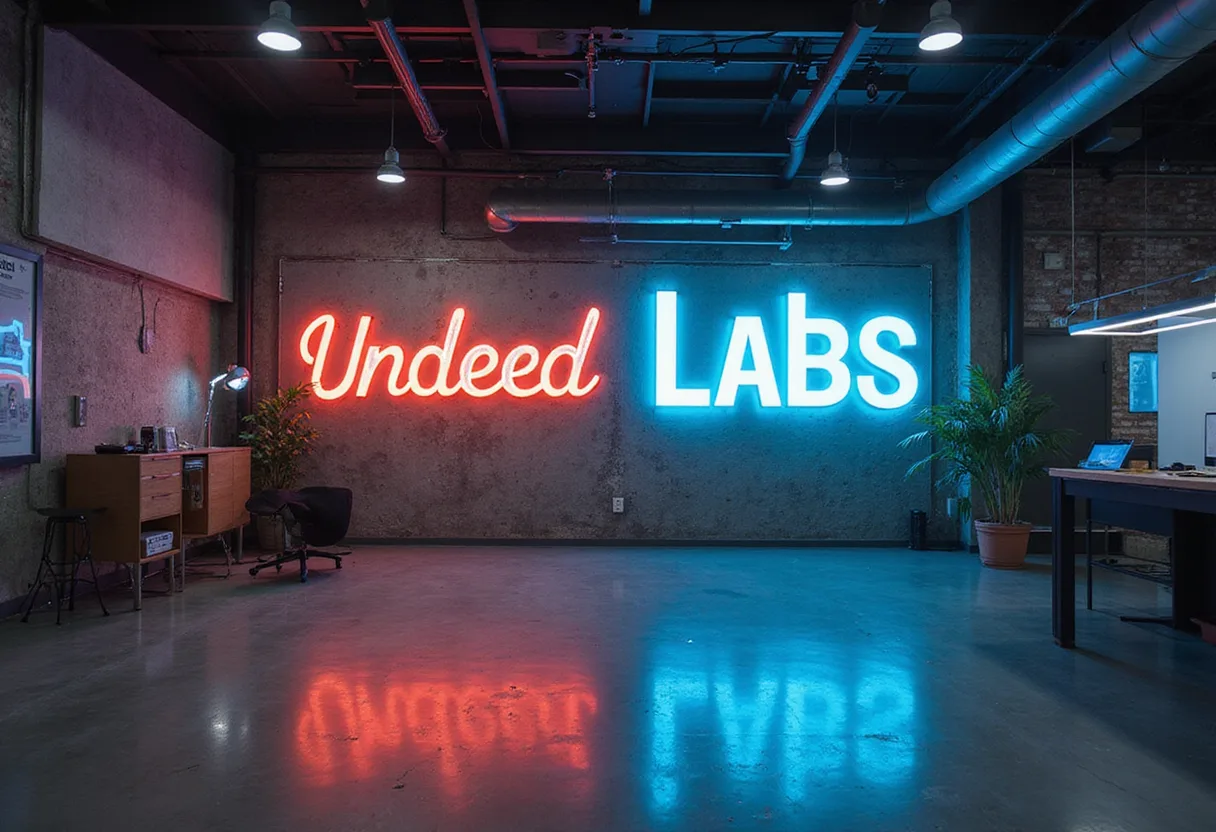
Undead Labs, the Seattle-based studio behind the State of Decay franchise, has confirmed two developments at once: it is now an "employee-owned studio," and a "significant number" of its employees face layoffs. GamesIndustry.biz reported the company's statement, which did not specify an exact headcount for the reductions.
The pairing of those two facts in a single announcement is unusual. Employee ownership transitions in the games industry typically follow one of two paths: a management buyout from a larger parent company, or an employee trust structure put in place as an alternative to closure. Undead Labs did not publicly detail the ownership mechanism, the valuation, or how shares or options will be distributed among remaining staff. For workers inside the studio, the practical difference matters. Ownership stakes can carry real value if the studio returns to profitability, but they also frequently arrive alongside reduced headcount and restructured compensation.
For the employees affected, the layoffs are the immediate financial event. The studio's phrasing — "a significant number" — signals reductions large enough that management chose not to soften them with a precise figure, a pattern seen across the games sector over the past two years. Anyone in the affected group should move quickly on the standard levers: severance terms, benefits continuation, vesting treatment for any equity granted in the new ownership structure, and unemployment eligibility in Washington State.
The context for this announcement is a games industry that has been shedding jobs since early 2023. Studios of comparable size have cut anywhere from a handful of positions to entire departments, and publishers have closed or absorbed teams outright. Against that backdrop, a shift to employee ownership is at least a signal that someone sees value in keeping the studio operating rather than winding it down. Whether that translates into hiring stability, however, depends on factors the announcement does not address: the performance of the State of Decay franchise, the studio's pipeline, and the financial terms of the ownership change.
For job seekers watching the Seattle games market, the practical read is mixed. Layoffs add experienced developers, artists, and production staff to the local talent pool, which increases competition for open roles but also gives studios with active hiring a deeper candidate pool to draw from. Employees moving out of Undead Labs will carry credentials from a known franchise with a multi-title track record — the kind of portfolio signal that hiring managers at peer studios weigh heavily.
There is also a lesson here for anyone evaluating employer stability in the current market. An ownership change and a workforce reduction announced together suggest the studio's situation shifted quickly, and workers had limited visibility before the public statement. Employees at other studios can take a practical step: understand what equity or ownership claims they hold, how those claims are treated in a sale or restructuring, and what their state's unemployment rules provide — before an announcement, not after.
Neither Undead Labs nor its representatives has publicly commented beyond the confirmed statement, and no timeline for the layoffs or details of the ownership structure have been released. Further specifics — including severance terms and whether the studio will continue hiring — will determine what this restructuring means for both departing staff and the remaining employee-owners.
Source: Google News: Layoffs
More from Daniel Okafor
Show full bio
News editor covering regulation, policy and their impact on Job market data and labor economics at Path & Pay.
476 articles