US Construction Layoffs Hit Record Low of 99,000 in August
Construction layoffs fell to 99,000 in August, the lowest since BLS tracking began in 2000, as 251,000 job openings kept pressure on electricians and HVAC workers.
Updated
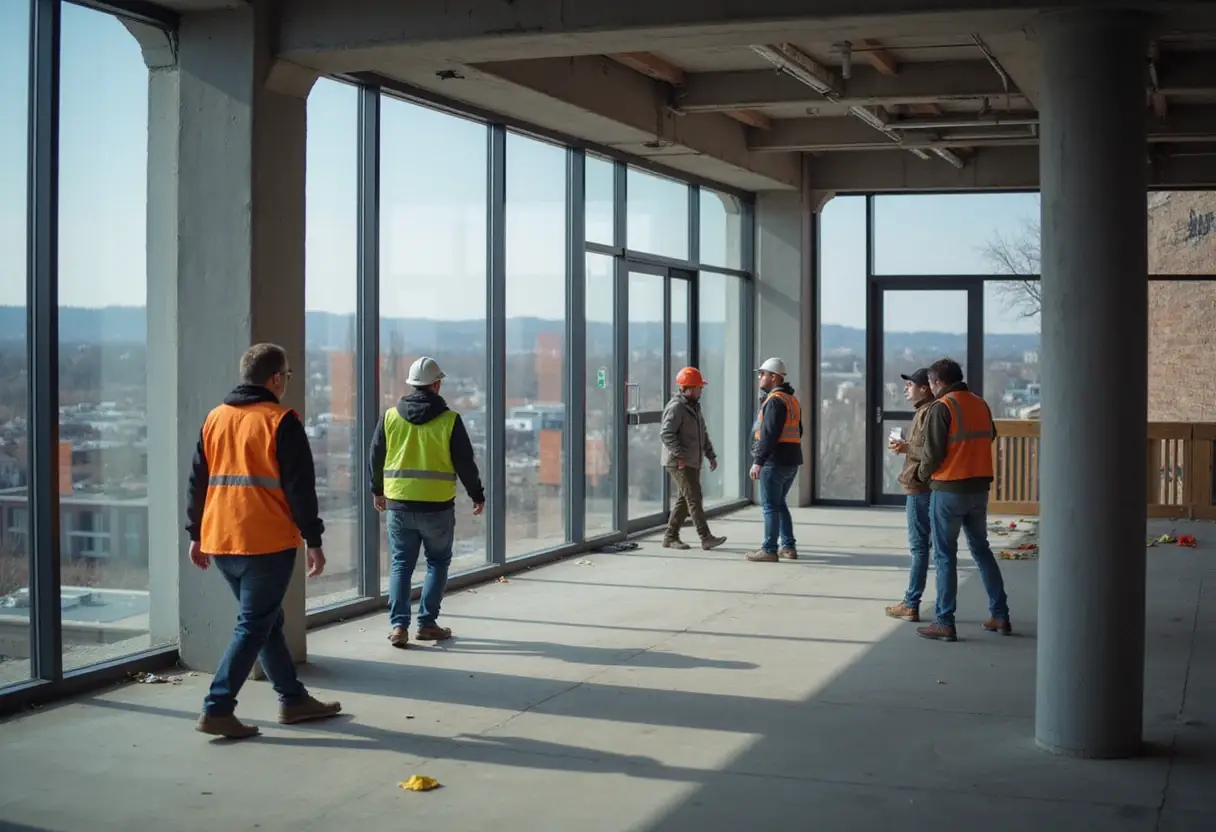
US construction contractors cut 99,000 workers in August, a drop of nearly 46 percent from the same month a year earlier and the smallest layoff figure since the Bureau of Labor Statistics began tracking job openings in December 2000. The number comes from an analysis by Anirban Basu, chief economist at Associated Builders and Contractors, as reported by Construction Dive, and it marks the tightest retention environment the sector has recorded in a quarter century of data.
The same BLS report, released Tuesday, counted 251,000 open construction jobs on the last day of August. That was 48,000 fewer than in July but 38,000 more than in August a year earlier. Openings represented 2.9 percent of all construction jobs at the end of the month — the highest rate since March, according to Basu.
What do the numbers signal about the labor market?
Read together, the figures describe an unusual combination: employers are holding on to their current workers while still struggling to hire. Basu said the BLS data shows both demand for and supply of construction workers have declined, and he described the combination of elevated openings and record-low layoffs as evidence that employers are eager to keep the people they already have.
The dynamics look contradictory at first glance. Basu said they align with continued weakness in residential construction alongside strong data center activity, which has created scarcity for certain skilled trades workers.
Macrina Wilkins, director of market insights for the Associated General Contractors of America, told Construction Dive by email that the data has for several months pointed to firms trying hard to retain existing workers while watching the market for a possible change in the availability of new ones. She said the combination of a record-low layoff rate and a higher job openings rate suggests contractors remain eager to maintain or grow their headcounts, and that firms still have positions to fill but struggle to match those openings with qualified workers.
Why is hiring so slow if openings are high?
The unemployment rate for construction workers stood at 3.1 percent in August — a record low for the sector. Wilkins said a low hiring rate can signal the difficulty Basu described: finding workers with in-demand skills. While a low hiring rate usually points to weak demand for labor, she said, in this case it may also reflect how hard it is for contractors to find qualified employees amid heightened immigration enforcement and that historically tight unemployment rate.
For an individual worker, the macro picture translates into concrete leverage. If you are an electrician or HVAC technician, you are in the scarce category Basu flagged, and he predicted labor costs will keep rising for exactly those in-demand occupations. If you are already employed in construction, the record-low layoff count means your job security, at least in the near term, is the strongest it has been since 2000.
What happens over the next six months?
Nonresidential builders indicated they would likely add to their staffing levels over the next six months, according to the ABC Contractor Confidence Index. That points to continued competition for qualified trades workers in the nonresidential segment, even as residential activity stays weak.
Basu's forecast is straightforward: labor costs will keep rising, particularly for electricians and HVAC workers, as data center construction keeps demand concentrated in a narrow set of skilled trades while the broader supply of construction labor stays constrained.
Original: indexbox.io
More from Tom Whitfield
Show full bio
Senior reporter covering regulation, policy and their impact on Job market data and labor economics at Path & Pay.
517 articles