US Job Growth Slows Sharply in September as Unemployment Hits 4.2%
US job growth slowed sharply in September and the unemployment rate rose to 4.2%, signaling a cooler labor market heading into the final quarter of the year.
Updated
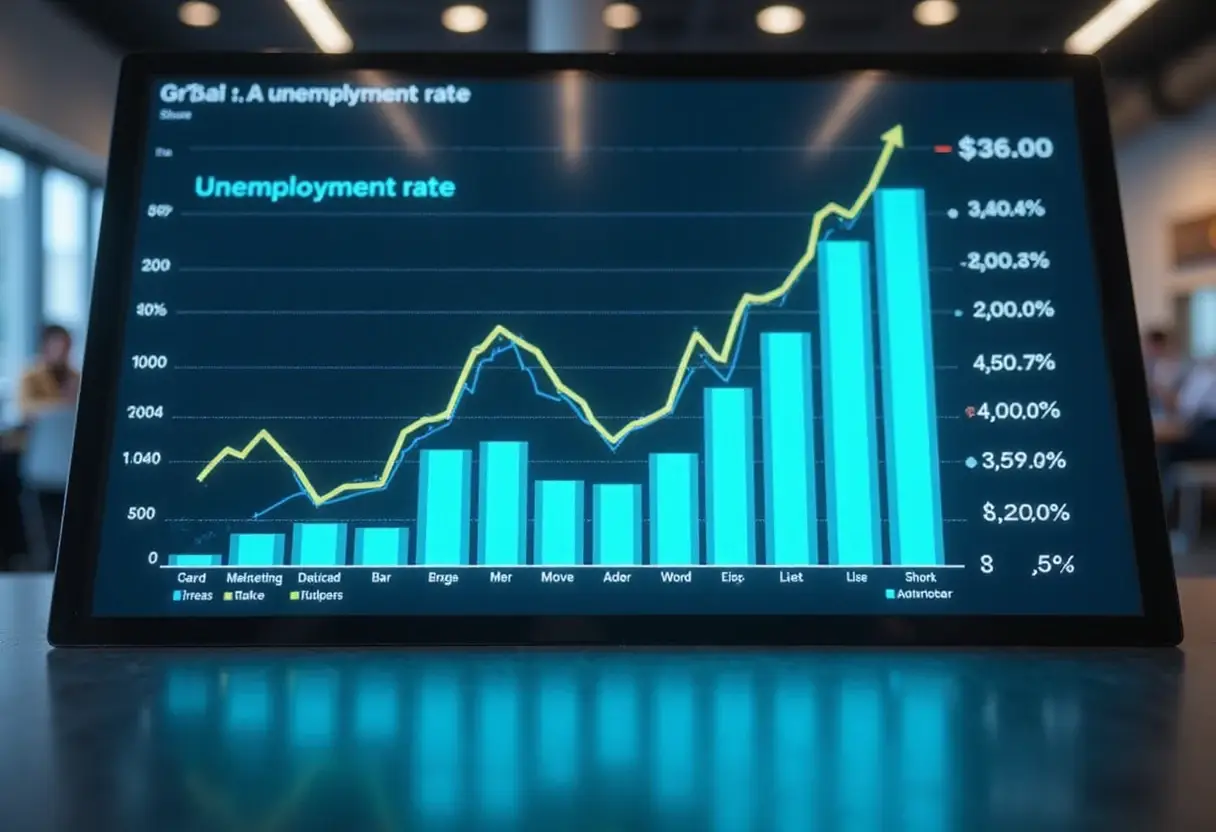
The US unemployment rate rose to 4.2% in September, while job growth slowed sharply over the same month, according to the latest government employment report.
That combination — weaker hiring plus a higher jobless rate — marks a shift in the labor market's direction. For most of the past two years, employers kept adding jobs at a pace strong enough to hold unemployment near historic lows. September broke that pattern.
What does the September number signal?
A 4.2% unemployment rate remains low by historical standards. The 4.2% figure is not, on its own, a sign of distress. What matters is the direction of travel: the rate moved up in the same month that hiring decelerated sharply, and the two moves together suggest demand for labor is cooling rather than holding steady.
Labor-market analysts read this pairing carefully. When job growth slows but unemployment stays flat, workers who lose jobs are finding new ones quickly. When both indicators deteriorate at once, job searches typically take longer — and that changes how individuals should price themselves in the market.
How does this affect your job search?
For job seekers, a cooling market shifts the balance of power toward employers, but unevenly. Workers in fields where hiring has held up retain leverage; those in slower sectors face longer searches and should adjust timelines and salary expectations accordingly.
Practical implications for September's data:
- Expect longer application-to-offer cycles than in 2022–2023.
- Counteroffers and signing bonuses are harder to secure in a slowing market.
- Candidates already employed hold a stronger position than those searching from unemployment.
- Salary benchmarks set during the tight labor market may no longer clear at the same level.
What should watchers look at next?
The September report will be followed by revisions, as monthly employment figures routinely are. Analysts will watch whether the October data confirms the slowdown or shows it as a one-month dip. The Federal Reserve, which tracks the unemployment rate closely in setting interest-rate policy, will weigh the 4.2% reading in its next decisions — and the pace of future rate cuts will depend heavily on whether job growth continues to weaken.
Source: Google News: Labor market
More from Grace Kim
Show full bio
Correspondent covering money, funding and market shifts around Job market data and labor economics at Path & Pay.
504 articles
Go deeper
- September Hiring Expected to Cool, Unemployment Rate to Hold Steady
- US Unemployment Climbs to 4.2% as September Hiring Stalls
- September Job Growth Slows Sharply as Unemployment Hits 4.2%
- September Hiring Adds Just 29,000 Jobs, Far Below Forecast
- US Adds Just 29,000 Jobs in September as Unemployment Hits 4.2%