US Midterms: Democrats' Congress Sweep Calms Visa Fears, Not Rules
Democrats' Congress sweep may block new curbs on student visas, OPT and H-1B, but experts say existing restrictions will hold through the rest of Trump's term.
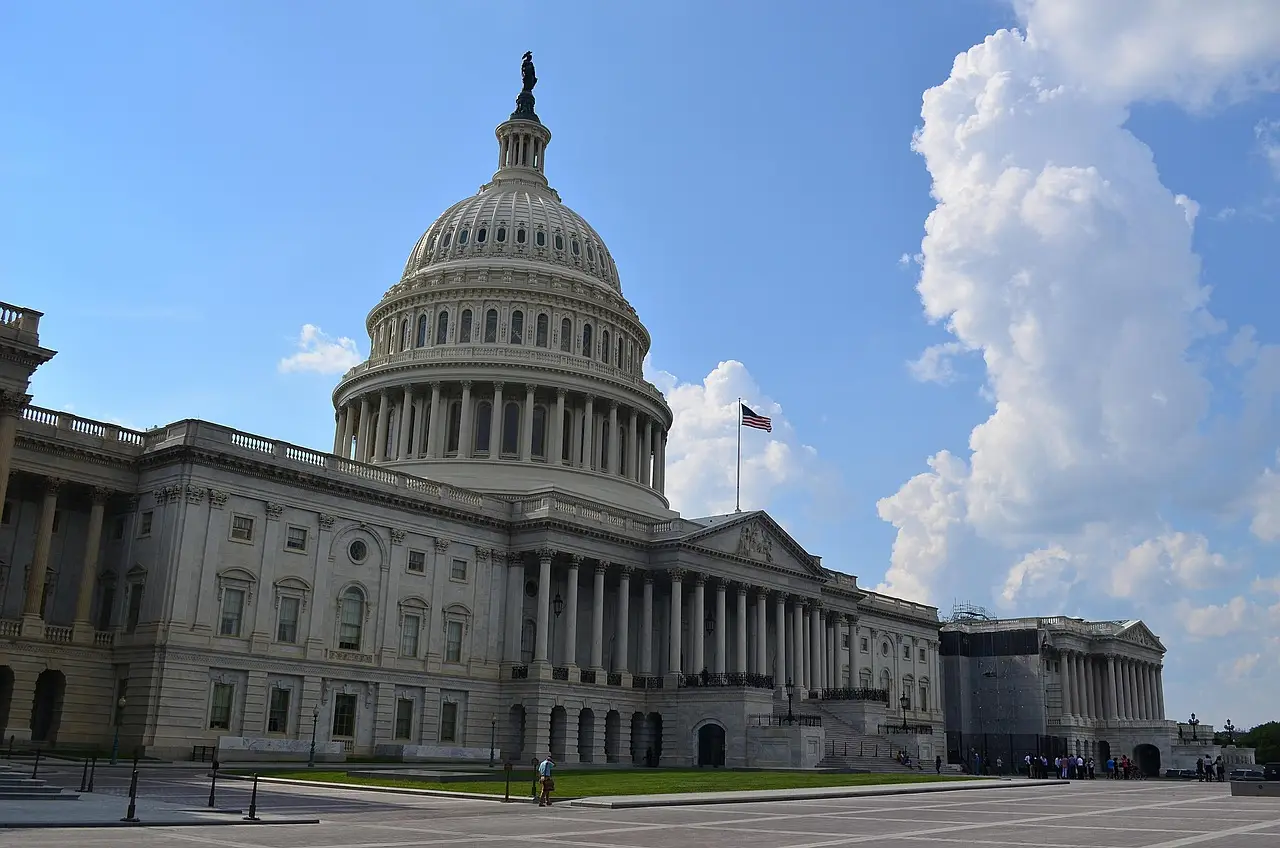
Indian students eyeing American universities face at least two more years of unchanged visa rules, despite the Democrats' sweep of Congress in the US midterm elections, according to education and immigration specialists speaking after the vote.
The most concrete effect of the result, experts said, is a check on President Donald Trump's restrictive immigration agenda. Democratic control of Congress could prevent further curbs on student visas, optional practical training (OPT) and the H-1B employment pathway. Yet the executive branch remains in Trump's hands, and existing restrictions and uncertainties are unlikely to disappear.
For students and families planning overseas education, the development is more a sentiment boost than a policy breakthrough.
What does the result actually change?
Congress cannot reverse executive decisions, and student visa or immigration policy will not change overnight. That distinction anchors nearly every expert assessment of the midterms.
"The Democrats taking control of Congress could have significant implications for Indian students planning to study in the US, potentially creating stronger resistance to measures that discourage international students," said Karan Gupta, founder of the eponymous career consultancy. He was quick to add the caveat: Congress cannot simply undo what the executive branch has already put in place.
For students targeting Fall 2027 intake, Gupta advised against changing US education plans on the election outcome alone. The variables that matter, he said, remain visa uncertainty, post-study employment opportunities and financial returns on education.
Why the job market question now dominates
Adarsh Khandelwal, cofounder of educational consulting firm Collegify, said the central family question has shifted. It is no longer simply, "Can my child get into a leading US university?" but increasingly, "What opportunities will be available after graduation?"
The US still offers significant academic and professional opportunity, but immigration uncertainty has made families more aware of financial risk, he said. Securing admission may prove easier than finding an employer willing to navigate visa sponsorship, compliance requirements and potentially substantial costs.
"The election may help restore confidence, but lasting reassurance will come from predictable policies, not political promises," Khandelwal said.
Akshay Chaturvedi, founder of Leverage Edu, drew the sharpest line between expectation and reality. "Democrats taking both chambers is, in my view, a sentiment shift, not yet a policy shift," he said. Some of the more restrictive legislative proposals, including those targeting OPT and the green-card eligibility of H-1B holders, are now unlikely to move forward in the remaining two years of Trump's presidency. Measures introduced through executive action are a different matter.
"A midterm doesn't reverse any of that," Chaturvedi said. "So, on post-study work, expect fewer new shocks, not a rollback. Congress can now slow the regulatory machine through oversight and funding, yes, but it can't undo it."
Is there any long-term upside?
Rohit Jain, managing partner at law firm Singhania & Co, identified the immediate benefit: Democrats can block legislation that would drastically reduce or eliminate H-1B visas. Possible long-term gains include reform of the green-card system, particularly the per-country ceiling that constrains Indian applicants and the recapture of unused visas.
"However, while President Trump remains president, Democrats would not have unilateral control over the H-1B administration," Jain said. "Without presidential assent or veto, Democrats would only be able exercise oversight, block restrictive bills and support judicial challenges."
Manisha Zaveri, cofounder at Career Mosaic, said students increasingly choose destinations based on career outcomes, and the midterms signal growing resistance to Trump's policies. The key concern for Indians remains access to the US job market.
"US' appeal depends on how welcoming and fair the approach to visa scrutiny is and how accessible the job market remains," Zaveri said.
The practical reading for applicants: plan on current rules holding through the rest of Trump's term, with Congress able to block new restrictions but not to roll back the ones already in force.
Source: Google News: Job market
More from Sophie Lindqvist
Show full bio
Staff writer covering regulation, policy and their impact on Job market data and labor economics at Path & Pay.
534 articles
Go deeper
- Trump Plan Threatens International Students' Path to US Jobs
- 12,700 Indian Tech Workers Left the US This Year as H-1B Doubts Deepen
- Trump Tells H-1B Employers to Stop Laying Off American Workers
- ULAB Convenes HR Summit 2026 as AI Reshapes Entry-Level Hiring
- Employers say AI leaves graduates needing 35-year-old capabilities