Washington Post Plans Layoffs as Springfield Printing Plant Closes
The Washington Post plans layoffs tied to closing its Springfield, Virginia printing plant, hitting production workers as the paper steps back from in-house print.
Updated
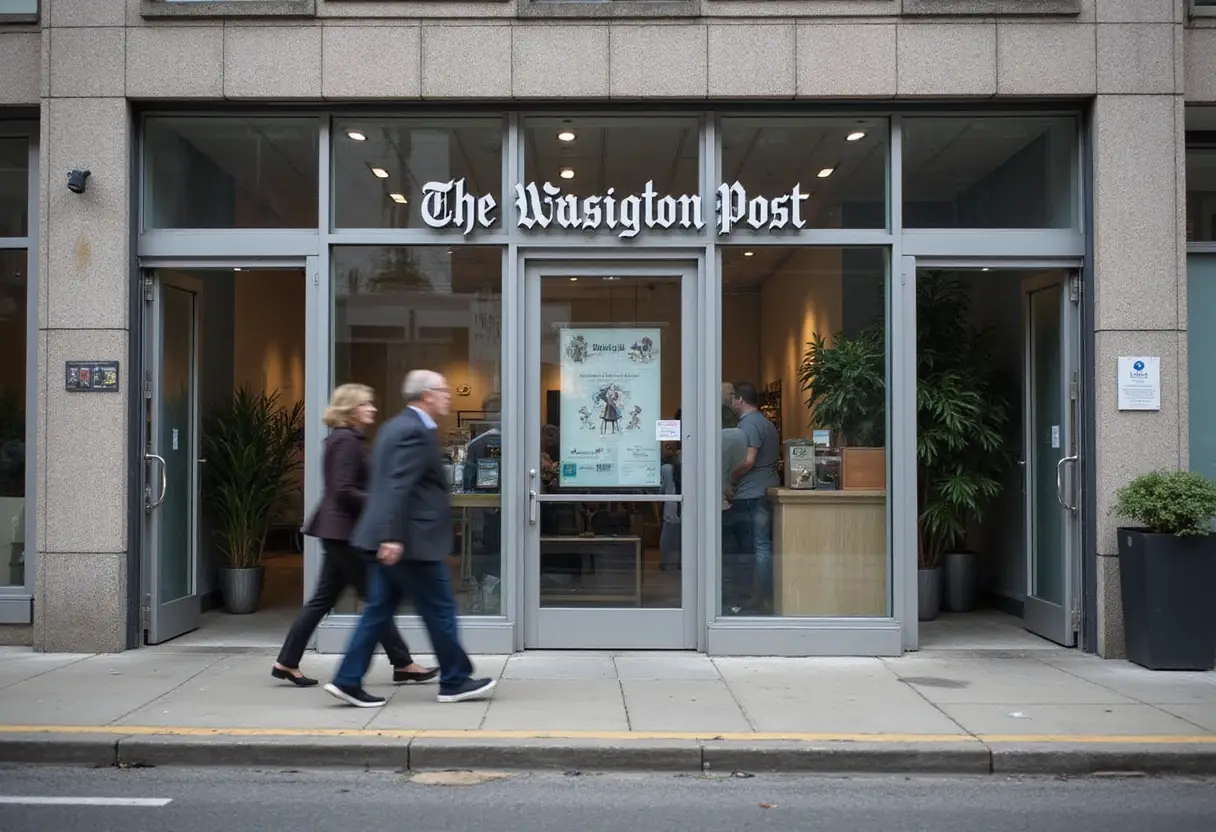
The Washington Post is preparing layoffs connected to the closure of its printing plant in Springfield, Virginia, according to a report from FFXnow — a move that puts production staff, not journalists, at the sharp end of this round of cuts.
The plant closure and the layoffs tied to it mark another step in the Post's retreat from in-house print production, a function that once anchored hundreds of industrial jobs in the Washington region. Springfield, in Fairfax County, has housed Post printing operations for years. Its shutdown means the physical work of putting a newspaper on paper — running presses, loading newsprint, driving distribution routes — moves out of the company, while the newsroom itself faces a separate set of pressures.
What do we actually know so far?
The details available at this stage are limited. What FFXnow reported is the plan itself: the Springfield facility will close, and the closure will trigger job cuts. The Post has not, in this reporting, disclosed:
- The number of employees affected
- A firm closure or layoff date
- Whether affected workers will receive severance, transfer options, or retraining support
- Which printing operations, if any, will shift to a third-party contractor
That matters for readers trying to gauge the scale. A plant closure can mean anything from a few dozen jobs to several hundred, depending on how many shifts the facility was running. Until the Post confirms headcount figures, treat this as a directional signal about the company's print business, not a full accounting of the employment impact.
Why printing plants keep closing
The mechanism here is straightforward. Print circulation has been declining for two decades across the U.S. industry, and a press plant is a fixed cost: massive machines, real estate, electricity, and a unionized or long-tenured workforce that needs full utilization to make economic sense. When printed copies fall, each remaining copy gets more expensive to produce.
Publishers respond in one of two ways. They either share presses with other papers through regional printing partnerships, or they contract the work out entirely. Either path usually means fewer total printing jobs in a metro area, because one modern plant can serve several titles.
The Springfield closure follows that same logic. It's a cost decision first, and a jobs decision second — but for the workers involved, the order doesn't matter much.
What does this mean for production workers in the D.C. region?
If you work in press operations, mailroom, or newspaper distribution around Washington, this story is less about the Post specifically and more about the shrinking number of employers who need your exact skill set. Industrial printing skills — press operation, plate-making, heavy equipment maintenance — transfer to packaging, commercial printing, and logistics, but those sectors hire on their own cycles, not on journalism's.
For Post journalists, this round appears to sit outside the newsroom. That's a real distinction: editorial layoffs cut coverage capacity, while production layoffs cut physical infrastructure. Both shrink the institution, but they signal different things about the company's priorities.
The one-line version: the Post is cutting the machines before it cuts more of the messengers, and press workers in Springfield are the ones paying for that sequencing.
Watch for the headcount number and the closure date in the Post's confirmation — those two figures will tell us whether this is a trim or a milestone in the paper's exit from owning its own presses.
Source: Google News: Layoffs
More from Grace Kim
Show full bio
Correspondent covering money, funding and market shifts around Job market data and labor economics at Path & Pay.
503 articles