White House H-1B Order Puts Employer Layoffs Under Microscope
A White House H-1B directive now subjects employer layoffs involving sponsored workers to heightened federal scrutiny, reshaping compliance risk for visa-heavy firms and workers.
Updated
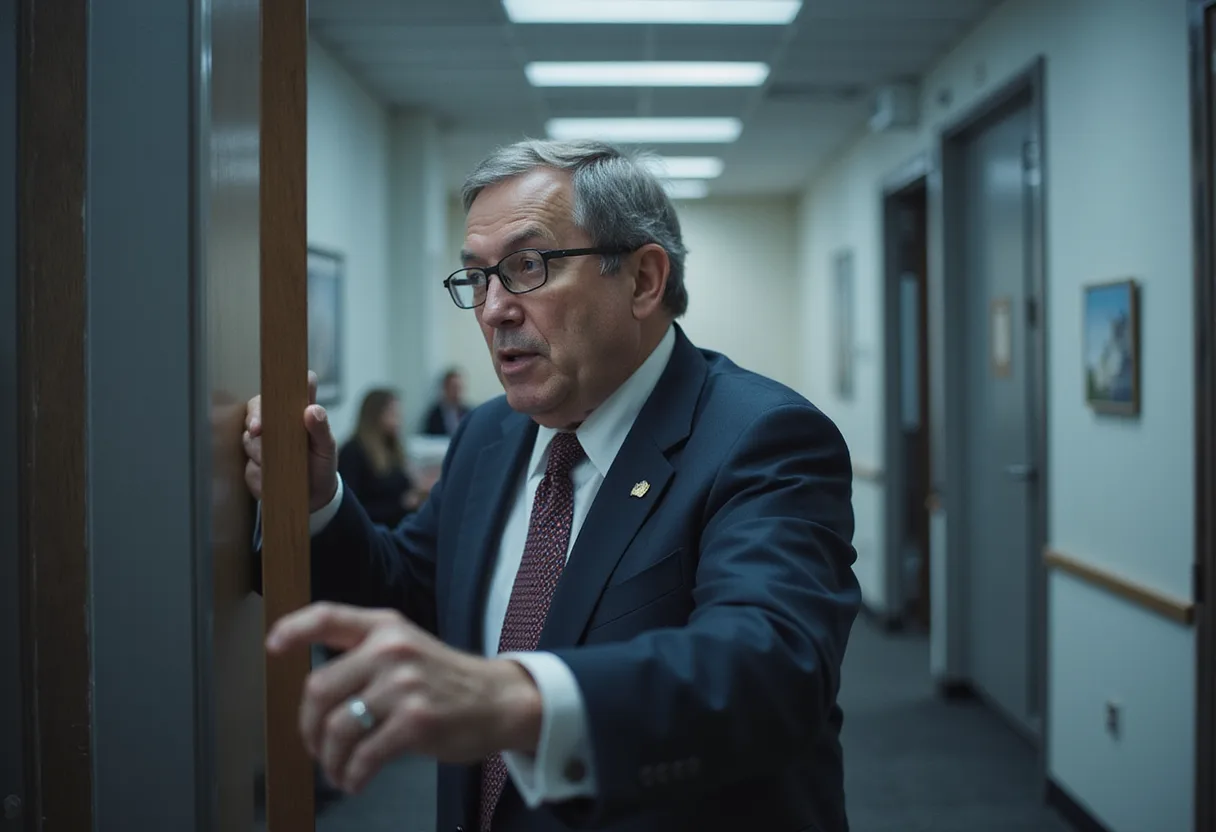
A new White House directive on the H-1B visa program has placed employer layoff decisions under intensified federal examination, Bloomberg Law reports, a development with direct consequences for hiring managers, immigration counsel, and skilled foreign workers across the United States.
The order directs regulators to scrutinize how companies handle layoffs when H-1B-sponsored employees are on staff. For employers, that means workforce reductions are no longer purely a financial or operational calculation. Each layoff decision involving — or occurring alongside — sponsored visa holders now carries potential immigration-compliance exposure.
At the national level, the directive signals a shift in how the federal government polices the skilled-visa pipeline. Historically, H-1B enforcement concentrated on application fraud, wage-level misclassification, and lottery irregularities. This order extends the perimeter to the post-approval stage of employment: what happens after a company has won a visa petition and placed the worker on payroll.
At the sector and role level, the change lands hardest on industries with heavy H-1B dependence. Technology firms, consulting companies, and engineering-heavy employers — long the largest users of the program — face the most complex decisions when restructuring. A company cutting 500 roles that include even a handful of H-1B holders may now need to document that the reductions were applied without regard to visa status, or justify why sponsored employees were treated as they were.
For individual workers, the practical market translation is stark. An H-1B holder whose position is eliminated traditionally had a narrow 60-day grace period to find a new sponsor, change status, or depart the country. Heightened scrutiny of layoffs can cut both ways: it may discourage employers from targeting sponsored staff in reductions, but it may also make some companies more cautious about hiring H-1B candidates in the first place, given that any future layoff could trigger federal review.
For employers weighing headcount moves, the compliance calculus has changed. Legal teams reviewing reduction-in-force plans will need to factor immigration exposure alongside severance costs, WARN Act obligations, and discrimination risk. Bloomberg Law's reporting, relayed by the immigration law firm Fragomen, frames the order as effectively putting layoffs "under the microscope" — a phrase that captures the level of documentation and justification companies should now expect to produce.
Job seekers and employees on sponsored visas should read this as a structural change in their bargaining position, not a motivational signal. Workers in H-1B-dependent roles should understand their grace-period rights, confirm their employer's layoff-notification practices, and assess how exposed their function is to restructuring. Those evaluating new offers from visa-sponsoring employers may reasonably ask how the company has handled prior reductions.
The directive's full enforcement mechanics — which agency leads the reviews, what documentation companies must produce, and what penalties attach — remain to be detailed in subsequent implementation guidance, which Bloomberg Law's coverage indicates will shape how aggressively the new scrutiny is applied.
Source: Google News: Layoffs
More from Sophie Lindqvist
Show full bio
Staff writer covering regulation, policy and their impact on Job market data and labor economics at Path & Pay.
502 articles
Go deeper
- White House H-1B Order Puts Employer Layoffs Under Microscope
- Trump Tells H-1B Employers to Stop Laying Off American Workers
- Trump and Vance Tell H-1B Sponsors: Stop Cutting US Workers
- H-1B Fees Rise as Rules Tighten and Layoffs Draw Scrutiny
- Netflix Cuts About 1,000 Roles in Its Largest Layoff Round in Years