88% of AI pilots die in the demo graveyard, Autoliv warns
At AMNA 2026 in Detroit, Autoliv said 88% of AI proofs of concept never scale. Ford, GM and Magna pointed to standardisation, data discipline and skills.
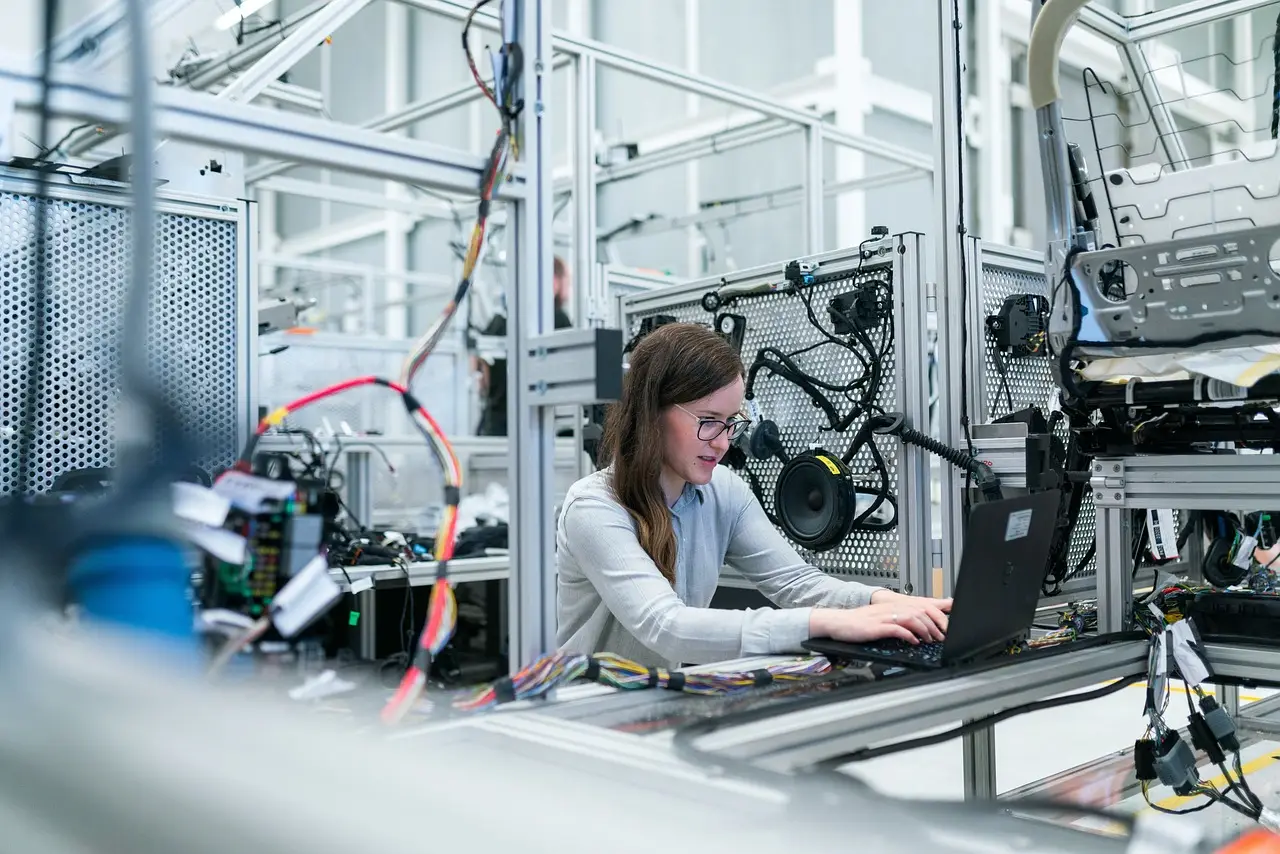
Some 88% of AI proofs of concept never reach wide deployment. Nitin Sethi, vice-president and head of IT at Autoliv Americas, opened the AI track at Automotive Manufacturing North America (AMNA) 2026 in Detroit with that figure and a name for it: the “demo graveyard” — projects with a great demo but no plant owner, solid ROI on paper but no funding to scale, or a model that does not fit how people work.
The verdict from speakers spanning Ford, GM, Toyota, Autoliv, Magna and BorgWarner: technology only scales on strong fundamentals and skilled people.
Why is China faster?
Chinese carmakers do not sell vehicles in the US, but their influence on competition and launch pace is already felt, said Christopher Ludwig, chief content officer at AMS, opening day two.
Walter LaPlante, controls and industrial connectivity supervisor at Ford, has benchmarked Chinese plants. Both regions buy from the same small group of equipment suppliers, especially in stamping. GM senior process engineer Alberto Ely Vazquez agreed there is no “alien technology” — just faster decisions and suppliers working side by side with the carmaker during a launch. “In China, their equipment is the same as ours. What's different is the standard process that people follow.”
Standardisation is the main lever: Ford uses electrical hardware and PLC software templates plus a Common Data Model; Lucid Motors' Arun Prakash Mantena is standardising equipment between Arizona and Saudi Arabia plants. For brownfield changeovers (retooling existing lines), Ford budgets six months to a year of engineering and lab testing.
What works in AI — and what doesn't?
Autoliv learned ownership lessons the hard way. A computer-vision inspection project costing almost $1m initially hit only 30–40% accuracy. It improved once quality and automation engineers, not IT, took over labelling false positives, and linking defects to machine data let the system warn maintenance before defects occurred. An OEE-explainer tool (OEE = overall equipment effectiveness) reached just 20–30% of staff because it sat outside normal workflow.
“We are not in a business of selling technology to our people. We are responsible for achieving the right outcomes,” Sethi said.
BorgWarner's Maria Beemer warned that even basic metrics like cost of poor quality are calculated differently across regions. Ford's Rajeev Kalamdani admitted keeping digital models current through launch “we've not been very successful at it”, and backed predictive quality as “closest to the customer”.
Which automation actually pays off?
AI vision inspection now matches human inspectors on false positives and negatives in most cases, said Magna's Parag Patre. SkillReal COO Pete Grabowski reported one customer rising from 65 to 80 jobs per hour once inspection stopped bottlenecking the line. Cobots disappointed: JTEKT's Gus Collins said they must slow far below human speed near people, and he killed an AMR (autonomous mobile robot) pilot after an operator called her plant walk the highlight of her day. “If it's not solving the problem for the operator, it's not gonna work.”
What about the skills gap?
Hiring is hard across the US. Continental's Lazola Tutani said new hires in South Carolina may arrive from retail to run half-million-dollar machines, driving scrap and slow onboarding; Continental now trains with AR and VR headsets. His warning: “If you don't understand how to transform a raw material into a value-add product, and the only thing you know is how to prompt, then you might stand a risk of losing control of your business.”
ZF's Raidan Lage, supporting 11 plants, wants shop-floor pushback on new tools — silence means indifference, not agreement. ZF's real-time cycle-time monitoring across 150-station lines won an internal excellence award. Expect ownership, standard processes and operator buy-in to keep deciding which AI and automation projects survive contact with the plant floor.
Source: Google News: Skills gap
More from Tom Whitfield
Show full bio
Senior reporter covering regulation, policy and their impact on Job market data and labor economics at Path & Pay.
543 articles