AI cut a $200,000 video production to $1,000 — solo
A video that cost $200,000 and a full crew a decade ago now costs Ari Kuschnir $1,000 and six to eight hours of solo work with AI tools like Seedance.
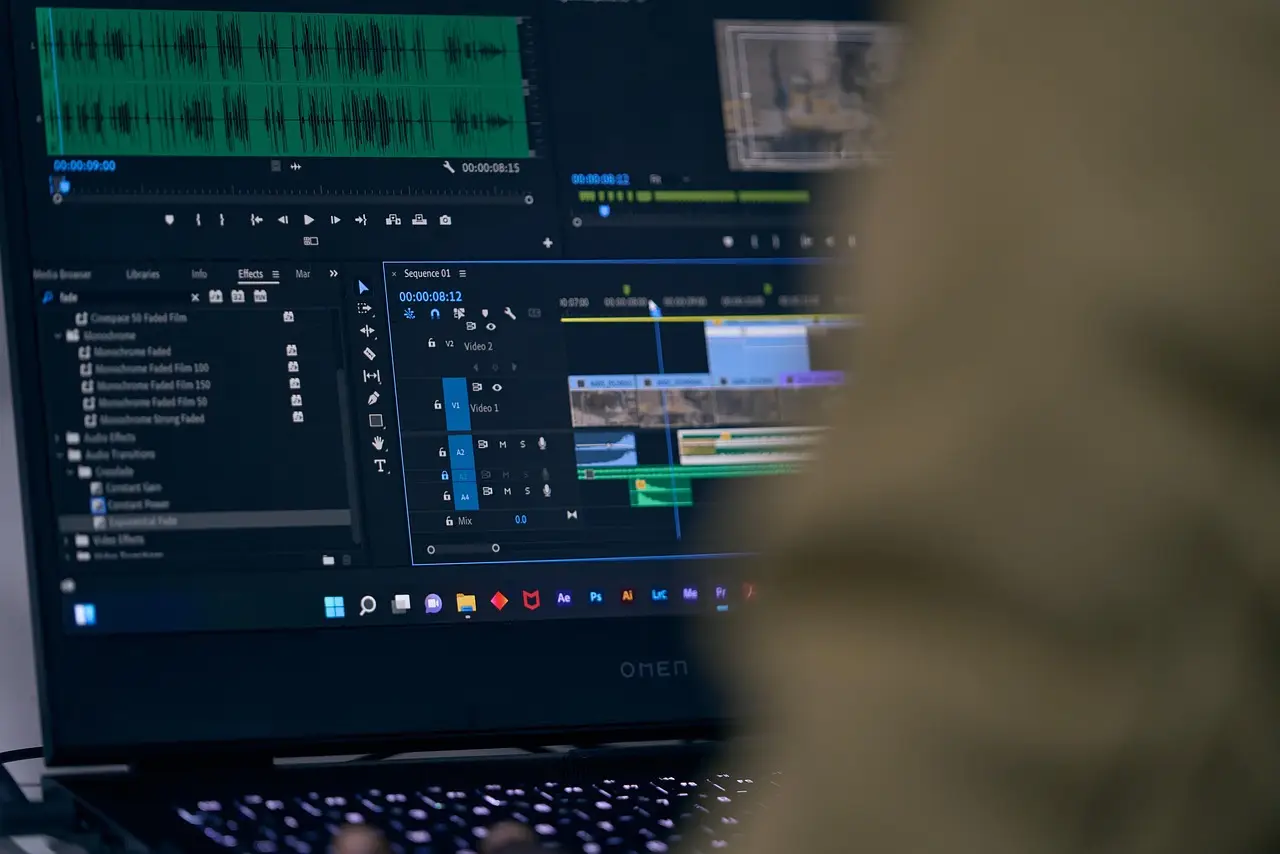
A video project that cost roughly $200,000 and a full production team a decade ago now costs Ari Kuschnir about $1,000 and six to eight hours of solo work. That's a 99.5% drop in direct costs, and it's the clearest single data point yet on what AI tools do to a creative production budget.
Kuschnir, 46, spent more than two decades making commercial videos for major brands. He built the New York production company m ss ng p eces (yes, the typos are intentional) after moving from Colombia in 2005, and sold the business in 2021. Today he posts satirical AI-generated videos on YouTube and X that have drawn millions of views, mocking tech executives in the style of cheesy 1980s infomercials and retro crime dramas.
The shift matters for anyone whose job includes a heavy production layer. AI doesn't replace Kuschnir's judgment — it removes everything that used to sit between his idea and the finished video.
What replaced the crew?
Previously, an idea needed actors, cameras, sets, lighting crews, and extensive editing. Now Kuschnir uses tools such as Seedance to help write scripts, generate images, and turn them into moving scenes. He still makes the key creative calls — choosing what works, refining jokes, assembling the final cut.
The savings show up in revision cycles too. When one recent scene needed changing, he skipped the expensive reshoot entirely and generated a new section in about 40 minutes.
His skills, not the software, carry the work. "Editing is the superpower," he said. For him, the durable skills are storytelling, humor, editing, and an instinct for what makes people laugh.
Takeaway: AI stripped out the logistics; taste and craft stayed valuable.
Why it's not 'AI slop'
Kuschnir draws a hard line against the flood of AI videos that clone characters from "The Office" or "Seinfeld." "To me, that's a remix," he said. "I don't think what I'm doing is a remix." His work uses original characters, stories, and formats — including a recurring series, "The Everything Computer," which satirizes the AI industry's own ambitions.
He's blunt about the downside: AI makes producing terrible content easier than ever, and leaning on it too heavily can make people worse at their craft. The differentiator is having something original to say — and no longer needing anyone's permission or a production budget to say it. "We just got the keys to the imagination castle," he said.
The personal reset behind it
The move wasn't purely professional. After the Palisades fire in Los Angeles, Kuschnir's house survived, but his daughter's school and much of the surrounding community were destroyed. He sold the smoke-damaged property and relocated his family to Ojai, California.
He had also grown restless running a growing company, where management crowded out making things. "It starts with your dream, and then it becomes this real big machine, and you're like, 'But I have all these other dreams,'" he said.
Most of these videos, he notes, simply wouldn't exist without AI — he'd never have had the time or money to produce them. That's the quiet labor-market story here: the technology isn't just compressing costs for existing work, it's making categories of work viable that never were before.
Source: feeds.businessinsider.com
More from Grace Kim
Show full bio
Correspondent covering money, funding and market shifts around Job market data and labor economics at Path & Pay.
586 articles