US commute times hit 27.4 minutes as RTO pushes workers back on the road
The average US one-way commute hit 27.4 minutes in 2025, Census data shows. Lexington Park, Maryland tops the ranking at 39.4 minutes, as RTO mandates lengthen trips.
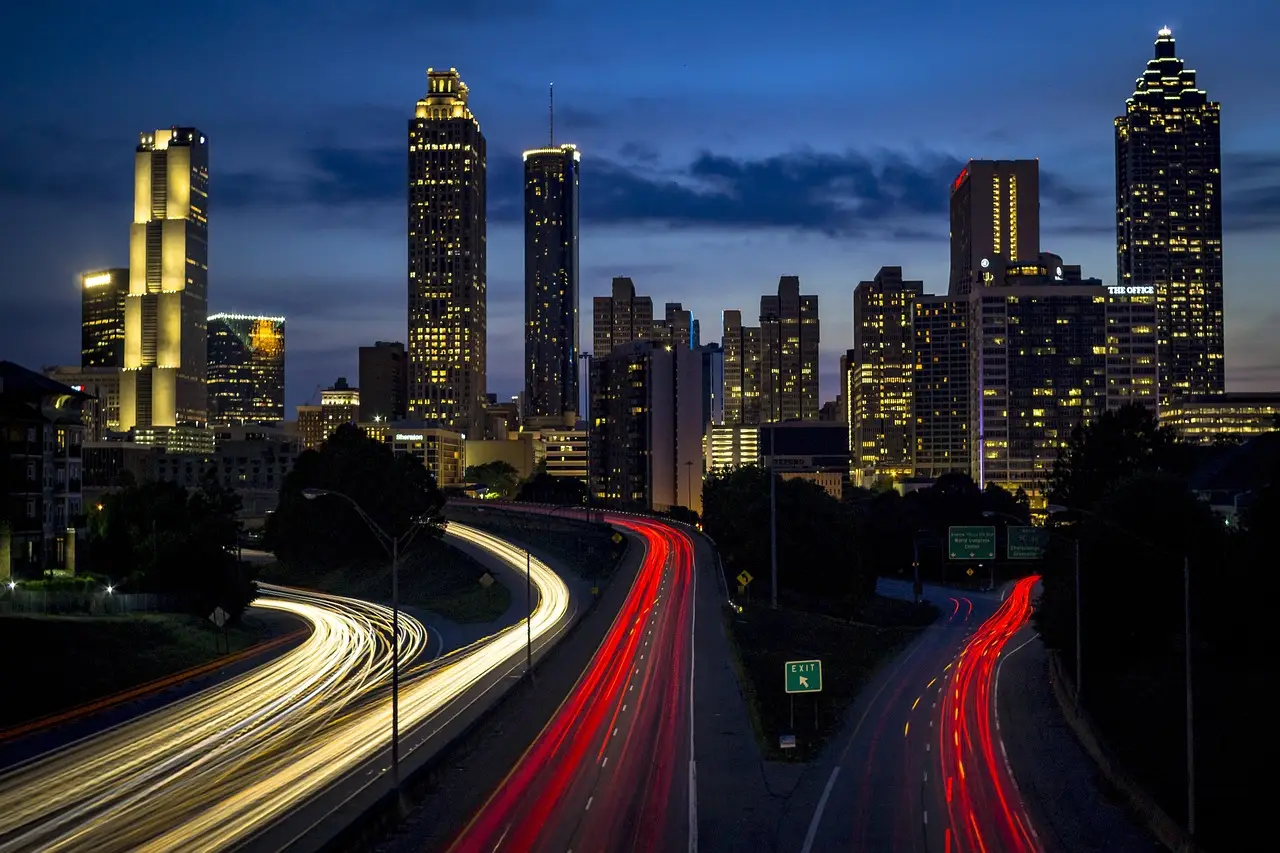
The average one-way commute in the United States reached 27.4 minutes in 2025, up from 27.2 minutes in 2024 and 26.8 minutes in 2023, according to Census Bureau American Community Survey data analyzed by Business Insider. That climb traces directly to return-to-office mandates and pandemic-era moves that stuck.
The figures cover workers aged 16 and older who did not work from home, across every mode of travel — driving alone, carpooling, transit, walking, biking and other means. About 87% of workers reported commuting to a workplace.
What is driving the increase?
Two forces are at work. First, major companies have recalled thousands of employees to offices for up to five days a week. Second, people moved farther out during the pandemic in search of cheaper housing and largely stayed. National Bureau of Economic Research data shows the mean distance to work rose from 15 miles in 2019 to 26 miles by 2024 — a jump of more than 70%.
In annual terms, a worker facing the national average commute now spends roughly 226 hours a year getting to and from work, before traffic worsens it further.
Which metros have the longest commutes?
Maryland, New York and California dominate the top of the ranking. Lexington Park, Maryland holds the worst commute in the country: 39.4 minutes one-way, nearly three minutes longer than any other metro. Some 78.4% of its workers drive alone; only 0.8% use transit.
New York-Newark-Jersey City ranks second at 36.8 minutes — but stands apart in how people travel. 28.2% of its workers commute by public transportation, against 44.6% who drive alone, by far the highest transit share on the list.
The rest of the top ten:
- Stockton-Lodi, California — 35.6 minutes; more than 14% carpool
- Riverside-San Bernardino-Ontario, California — 34.6 minutes; 12% carpool
- Washington-Arlington-Alexandria, DC — 34.3 minutes; 17.4% work from home
- Kiryas Joel-Poughkeepsie-Newburgh, New York — 33.7 minutes
- Bridgeport-Stamford-Danbury, Connecticut — 33.3 minutes
- Lakeland-Winter Haven, Florida — 32.5 minutes; 11.9% carpool
- San Francisco-Oakland-Fremont, California — 32.5 minutes; largest bike share at 1.6%
Where do the other long-haul metros sit?
Atlanta (32.4 minutes) rounds out the top ten. Boston-Cambridge follows at 31.9 minutes, with one of the more varied transport mixes: 10.5% take transit and 4.8% walk. Cape Coral-Fort Myers (31.8), Baltimore (31.6), Houston (31.3, with 10.7% carpooling) and Modesto (31.3) sit mid-table, followed by Los Angeles at 31 minutes, where 69% drive alone. Chicago-Naperville-Elgin averages 30.9 minutes, Hammond, Louisiana 30.7, and a tie at 30.6 minutes closes the list: Hagerstown-Martinsburg, Maryland and Miami-Fort Lauderdale-West Palm Beach, where 9.7% carpool.
What does this change for individual workers?
Location now carries a measurable time price. A worker in Lexington Park spends about 12 minutes more each way than the national average — roughly 100 extra hours a year in traffic compared with a typical commuter. In metros like Washington, the 17.4% remote-work rate suggests hybrid arrangements remain a realistic counterweight for some roles, while transit-heavy New York offers an alternative to driving that most ranked metros lack.
Unless RTO policies loosen or housing patterns shift back toward job centers, commute times in these metros look set to keep climbing.
Source: feeds.businessinsider.com
More from Priya Raman
Show full bio
Market editor covering people, launches and day-to-day practice in Job market data and labor economics at Path & Pay.
606 articles
Go deeper
- China's Jobless Invented the 'Fake Commute.' Here's What It Hides
- Driverless Cars Threaten Jobs and Local Economies, New Report Finds
- 1.7 Million Skilled Trade Jobs Open Annually Through 2035 — But Who Fills Them?
- AI Could Push 11 Million US Workers Into New Careers by 2035
- Without local transit, Italy faces a €26.2bn annual economic loss