Driverless Cars Threaten Jobs and Local Economies, New Report Finds
A new report warns driverless cars threaten driving jobs and the local businesses where those workers spend their wages.
Updated
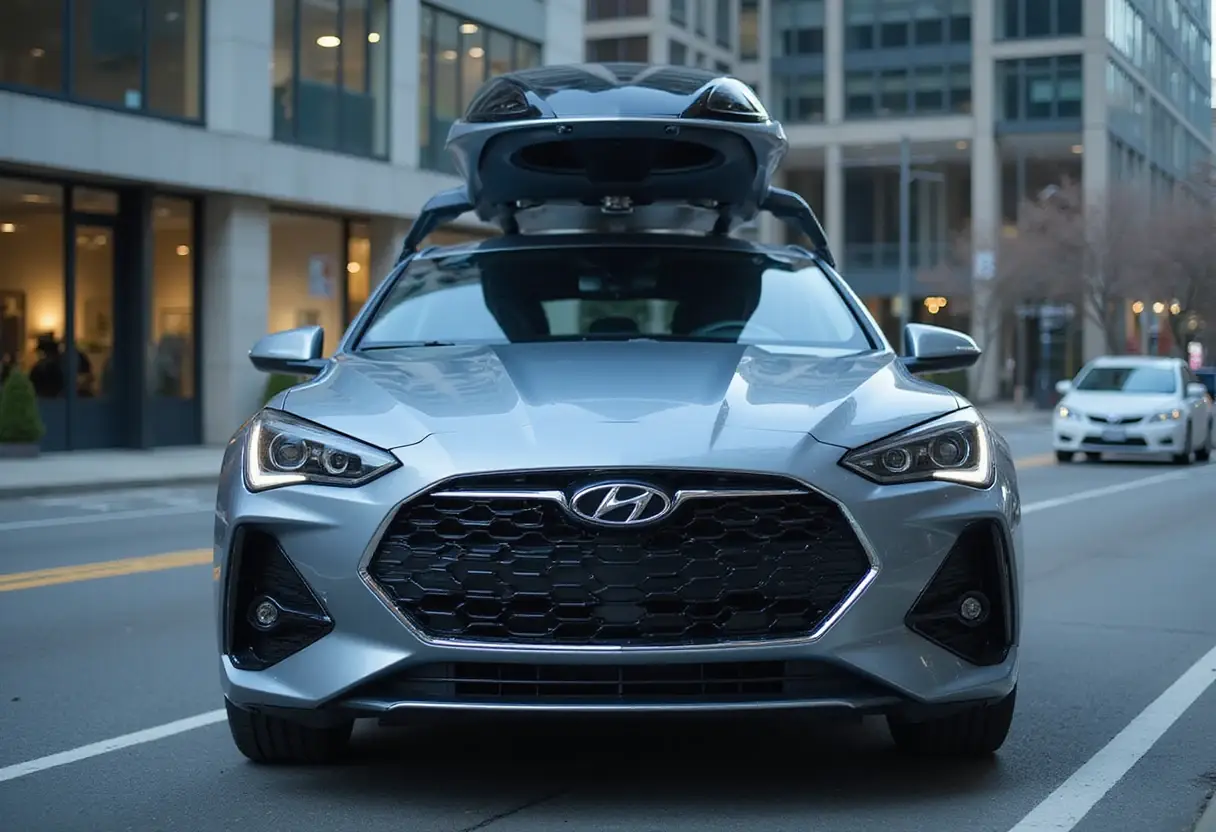
A new report warns that driverless cars threaten both employment and the local economic activity that driving jobs sustain in communities across the country.
The study, covered by Ingstad Media, examines the labor-market consequences of autonomous vehicle adoption and concludes that the technology poses a dual risk: direct job displacement for people who drive for a living, and second-order damage to the local businesses where those workers spend their wages.
What does the report say about jobs?
Professional driving remains one of the most common occupations available to workers without a college degree. The report identifies these roles as directly exposed to automation as robotaxi and autonomous freight services expand.
The affected occupations span multiple sectors:
- Taxi and rideshare drivers, already competing with pilot robotaxi services in several U.S. cities
- Delivery and courier drivers, as companies test autonomous last-mile delivery
- Truck drivers, the largest block of driving employment, exposed as autonomous freight corridors develop
- Bus and shuttle operators in transit systems considering automated fleets
The report frames the threat not as a single displacement event but as a gradual squeeze, with each expansion of driverless service reducing the number of paid driving hours available in a given market.
Why does local economic activity matter?
The second finding concerns spending. Drivers earn wages in a region and spend much of them nearby — on food, fuel, vehicle maintenance, and housing. The report argues that when those wages disappear, the loss propagates through local businesses that depend on working drivers as customers.
This distinguishes the report from studies that count only direct job losses. Its authors contend that the economic footprint of driving work extends beyond the paycheck, and that communities with a heavy concentration of transportation employment face proportionally larger downstream risk.
What should workers and employers take from it?
For individuals in driving occupations, the report's implication is a tightening market position over time rather than an immediate cliff: roles will likely remain, but competition for them may intensify as autonomous capacity absorbs demand growth first.
For local policymakers and small businesses in transportation-heavy areas, the finding suggests the exposure is broader than fleet operators and includes the retail and service economy built around driver wages.
What comes next?
The report signals that the pace of autonomous vehicle rollout will determine how quickly these pressures materialize, and it points toward further monitoring of both employment figures and local spending patterns as driverless services expand into new markets.
Source: Google News: Jobs report
More from Sophie Lindqvist
Show full bio
Staff writer covering regulation, policy and their impact on Job market data and labor economics at Path & Pay.
503 articles