Amazon Cuts Jobs in Stores Business as AI Spending Takes Priority
Amazon is cutting jobs in its Stores e-commerce division as it redirects spending toward artificial intelligence, following the pattern set across big tech.
Updated
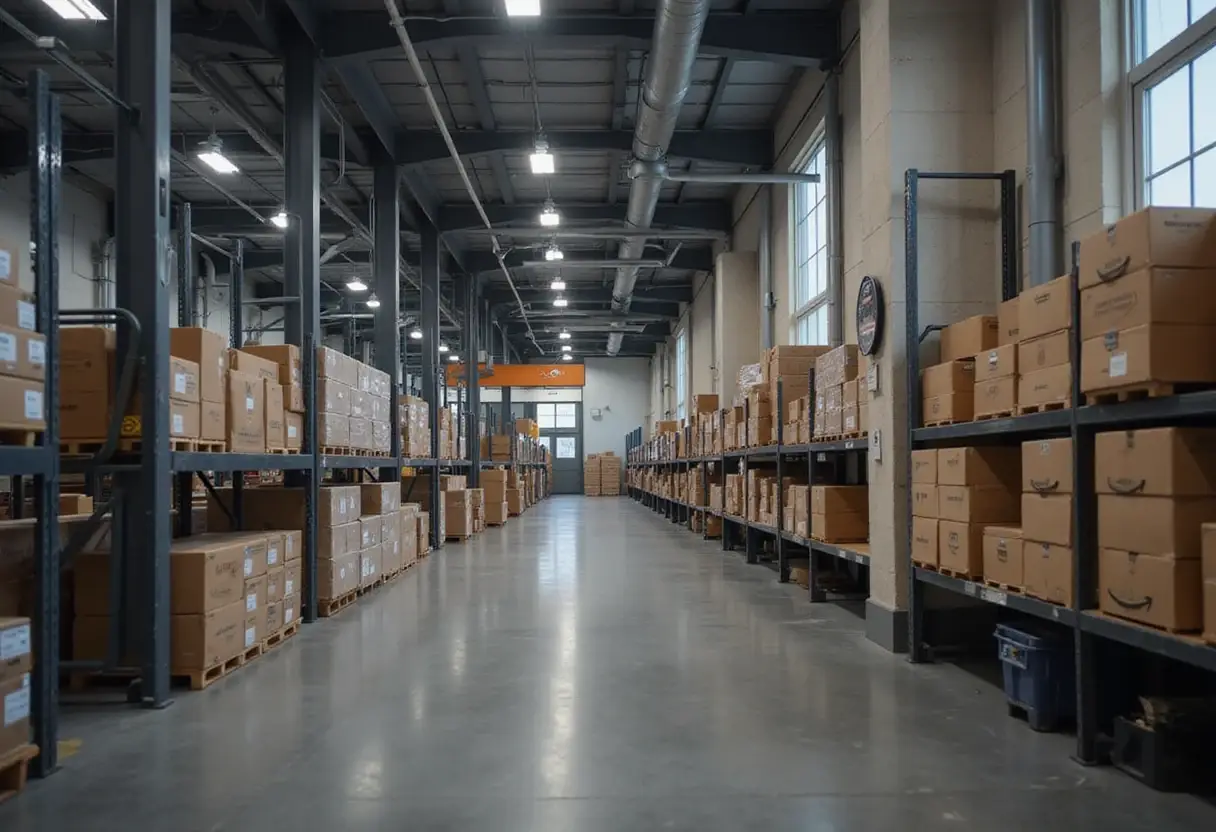
Amazon has started cutting jobs in its Stores business, the retail operation at the core of its e-commerce empire, as the company shifts spending toward artificial intelligence, The Indian Express reports.
The layoffs hit the unit that runs Amazon's online marketplace — the segment most consumers still associate with the company's name. The timing signals a reallocation of resources rather than a response to weak retail demand: the cuts arrive alongside Amazon's accelerating push into AI.
What does this mean for Amazon's retail workforce?
The Stores business is the division where Amazon built its dominance, and it has long been the company's largest employer segment. Cutting roles there marks a deliberate rebalancing. Money that previously funded headcount in retail operations, management and supporting functions now flows into AI infrastructure, tooling and the teams that build them.
For employees inside Stores, the message is direct. The division remains strategically essential — Amazon's e-commerce engine still generates the revenue that funds everything else — but its headcount is no longer growing in lockstep with that strategic weight. Roles that do not directly support retail performance or AI adoption sit closest to the line.
How does AI spending connect to the job cuts?
The two moves are two sides of one budget decision. Amazon, like its largest technology peers, has committed enormous capital to AI — the compute, the models, the specialized staff. That spending has to come from somewhere, and labor costs in mature, established business lines are the most visible source.
The Indian Express frames the layoffs explicitly as happening "amid AI spending push," which places Amazon in the same pattern playing out across the sector: technology giants funding AI ambitions partly through reductions in their legacy divisions.
What should workers in large tech divisions take from this?
For individual employees, the relevant signal is structural, not motivational. The most secure positions at Amazon today sit either in the businesses the company is prioritizing — AI and adjacent infrastructure — or in roles within Stores that demonstrably drive the retail unit's core economics. Positions in the middle, particularly those whose value is hard to measure against the division's output, carry the most exposure.
The same logic extends to job seekers. Openings in Amazon's AI organizations face less budget pressure than openings in supporting functions within mature business lines. Candidates evaluating offers across large technology employers should weigh not just the title and salary but which division's budget the offer draws from.
For the broader labor market, the significance lies in the example it sets. When the second-largest US employer by market value trims its flagship consumer division to fund AI, other large employers read that as permission — and an instruction — to do the same. Retail-operations and mid-management roles across the industry face a tightening market not because those jobs disappeared in importance, but because capital moved.
The cuts also set up a test of what AI investment actually returns. Amazon's Stores segment will now operate with fewer people while the company bets that AI tools recover the lost capacity. Whether that bet pays off will shape how aggressively Amazon — and its competitors — push the next round of workforce reductions.
Source: Google News: Layoffs
More from Daniel Okafor
Show full bio
News editor covering regulation, policy and their impact on Job market data and labor economics at Path & Pay.
478 articles