Hamilton Steel Plant to Lay Off Hundreds as U.S. Tariffs Bite
ArcelorMittal Dofasco will lay off hundreds in Hamilton, Ontario, calling the cuts a "survival" response to U.S. steel tariffs. Here is what it means for affected workers.
Updated
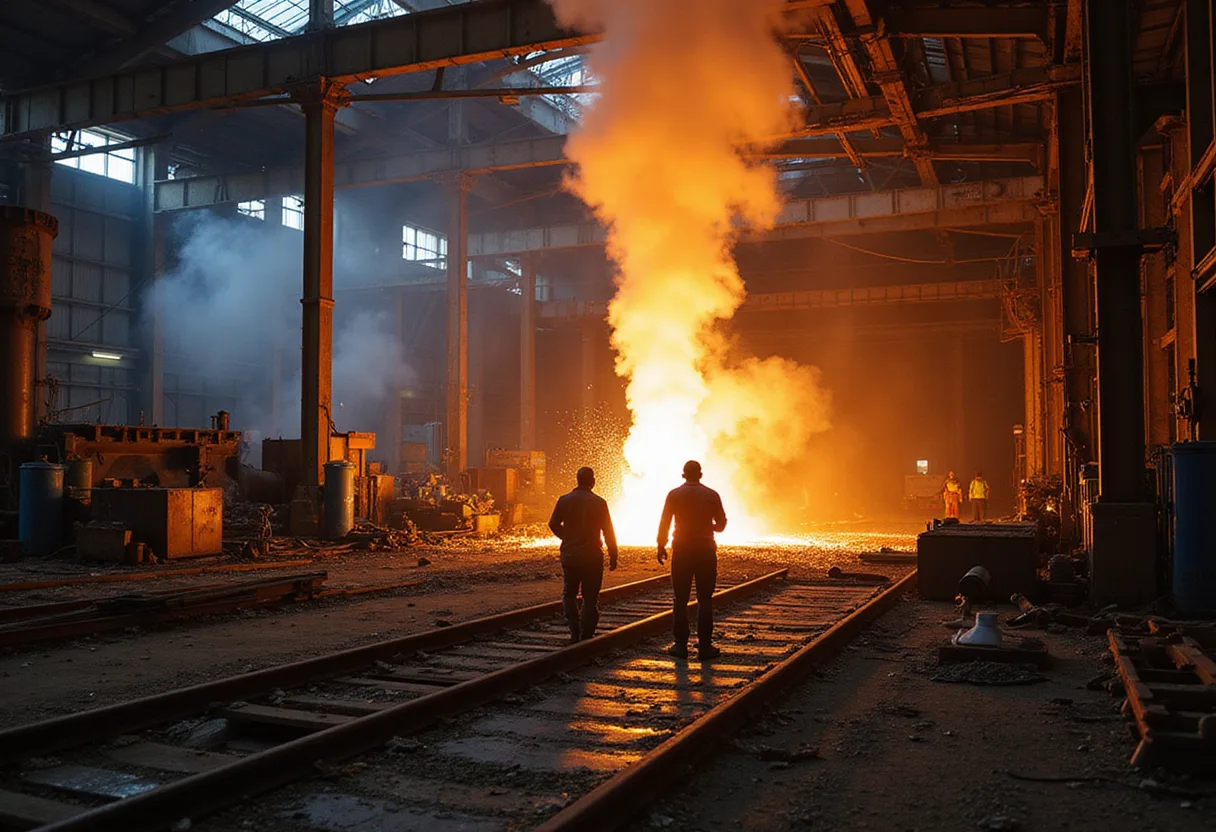
Hundreds of steelworkers in Hamilton, Ontario will lose their jobs after ArcelorMittal Dofasco announced layoffs that the company frames as a "survival" move forced by U.S. tariffs, CBC reports.
The decision makes the plant one of the most visible casualties yet of the tariff conflict between Washington and Ottawa, translating trade policy directly into pink slips in a single industrial city. Hamilton's steel sector has anchored the regional labor market for decades, and a cut of this magnitude will ripple through suppliers, logistics firms, and local services that depend on plant wages.
What we know
CBC's reporting centers on the company's own characterization: the layoffs are a response to U.S. tariffs on Canadian steel, and management describes them as necessary for the plant's survival rather than a routine restructuring. The exact headcount was not specified beyond "hundreds," and the company has not yet published a timeline for when notices will go out or which departments will absorb the cuts.
The plant is part of ArcelorMittal, the Luxembourg-based steel giant, and has historically served both Canadian and U.S. customers. Tariffs raise the cost of selling Canadian-made steel into the American market, squeezing margins on a volume that Hamilton producers have long counted on.
National trend versus sector reality
Canada's broader labor market has shown resilience in recent months, but steel sits in a different position than the aggregate numbers suggest. Tariff-exposed manufacturing — steel, aluminum, autos — carries concentrated downside risk that does not show up cleanly in national unemployment figures until months after the policy takes effect. Hamilton is a case study in that lag.
For workers, the pattern matters: tariff-driven layoffs tend to hit specific plants, specific shifts, and specific trades. Welders, millwrights, machine operators, and process technicians in Southern Ontario's steel corridor now face a tighter local market, and their leverage in salary negotiations weakens as more skilled workers from one employer re-enter the talent pool at the same time.
What it means for individuals
If you work in steel or a connected industry in the Hamilton area, three practical implications follow from this announcement:
First, seniority and role determine exposure. Companies managing tariff-driven contraction typically cut in waves, and workers should verify where their position sits relative to production lines tied to U.S. orders.
Second, transferable skills travel. Trade certifications — industrial electrical, heavy-equipment maintenance, quality control — transfer to automotive, energy, and construction employers across Ontario, sectors that have been hiring even as steel contracts.
Third, timing matters. Workers who begin job searches before layoff notices land generally negotiate from a stronger position than those who wait, particularly in a regional market about to absorb hundreds of simultaneous applicants with similar resumes.
What to watch
CBC's report does not yet specify whether the layoffs are temporary or permanent, and that distinction will shape both severance terms and rehire prospects. Union response, provincial support packages, and any movement in U.S.-Canada tariff negotiations could all alter the trajectory. Watch for the company's formal notice under Ontario employment standards rules, which will set the clock on the actual reductions.
Source: Google News: Layoffs
More from Tom Whitfield
Show full bio
Senior reporter covering regulation, policy and their impact on Job market data and labor economics at Path & Pay.
515 articles
Go deeper
- US-Owned Canadian Steel Plants Begin Mass Layoffs Amid Trump Tariffs
- Stelco Cites 50% Trump Tariffs in Hamilton Layoffs
- Hamilton Steel Plant to Cut Up to 500 Jobs; Canada Blames Trump
- US-Owned Steel Plants in Canada Start Mass Layoffs Over Tariffs
- Stelco Layoffs Put Ottawa's Industrial Policy Back on Trial