US-Owned Canadian Steel Plants Begin Mass Layoffs Amid Trump Tariffs
US-owned Canadian steel plants have begun mass layoffs they attribute to Trump-era tariffs, with worker counts and affected mills not yet confirmed.
Updated
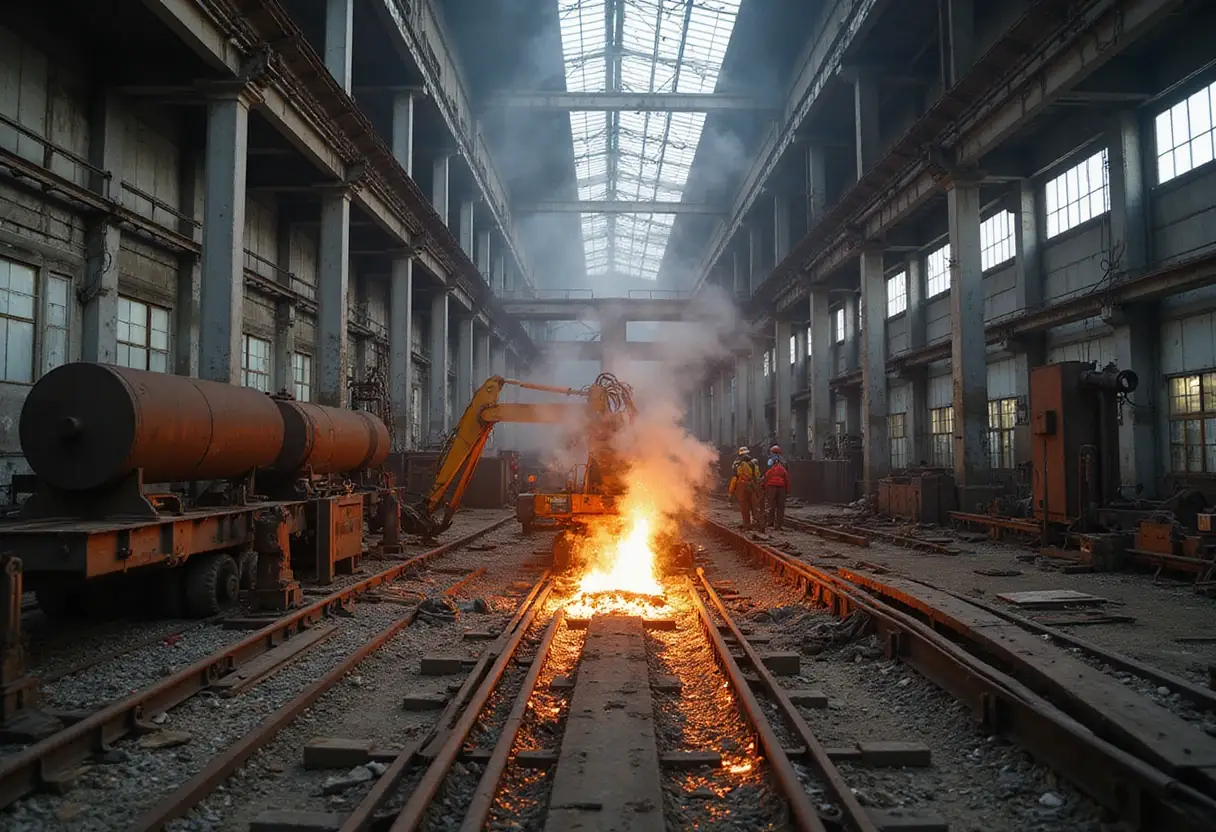
US-owned steel plants in Canada have begun mass layoffs, and the stated trigger is the tariff regime imposed by the Trump administration, Yahoo reports. The announcement marks the first concrete labor-market damage from the trade dispute to surface inside Canada's steel sector, rather than only on the American side of the border.
The report identifies the affected facilities as Canadian plants under American ownership. It does not specify, at least in the material currently available, how many workers the layoffs cover, which mills are involved, or over what timeline the cuts will proceed. Those omissions matter. A "mass layoff" designation in North American statistical practice typically refers to fifty or more initial claims for unemployment insurance filed against a single establishment within five weeks — but readers should not assume that threshold applies here without a confirmed figure.
What does this mean for steel workers on both sides of the border?
For Canadian employees of US-owned mills, the layoffs invert the usual logic of a tariff fight. Tariffs are designed to shield domestic producers by making imports more expensive; the collateral damage normally lands on foreign competitors' sales, not on foreign plants' payrolls. Layoffs at American-owned Canadian facilities suggest the companies are restructuring capacity in response to disrupted cross-border flows — steel and inputs cross the US–Canada border, often multiple times, before becoming finished product.
The available report does not say whether the layoffs are permanent or temporary, whether shifts are being consolidated rather than eliminated, or whether the parent companies plan to shift production to US facilities. Each of those scenarios carries a different implication for rehiring prospects. Until an employer, a union, or a provincial labor ministry publishes numbers, the scale of the job losses remains unverified.
Why the ownership detail matters
The headline's emphasis on US ownership is not incidental. If American parent companies are cutting Canadian jobs while their home government imposes the tariffs, the episode complicates the political framing that tariffs protect North American steel workers as a single category. It also raises a question the report leaves open: whether the same parent companies are adding jobs at US plants in parallel.
No such hiring figure appears in the available material. Claims of offsetting gains, should they emerge, will warrant the same scrutiny as the layoff count itself.
What to watch next
The numbers that would settle the picture — layoff counts by plant, union confirmation, provincial filings — have not yet been published. Watch for those figures, and for any revision of the layoff designation, before treating this as a settled measure of tariff damage rather than an early signal.
Source: Google News: Layoffs
More from Sophie Lindqvist
Show full bio
Staff writer covering regulation, policy and their impact on Job market data and labor economics at Path & Pay.
504 articles
Go deeper
- US-Owned Steel Plants in Canada Start Mass Layoffs Over Tariffs
- Hamilton Steel Plant to Cut Up to 500 Jobs; Canada Blames Trump
- Carney Accuses US Steelmaker of Betraying Canadian Workers Over Tariff-Linked Layoffs
- Hamilton Steel Plant to Lay Off Hundreds as U.S. Tariffs Bite
- Carney Accuses U.S. Steelmaker of Betraying Canadian Workers