Indeed Hiring Lab Posts June 2026 US Labor Market Snapshot
The Indeed Hiring Lab released its June 2026 US Labor Market Snapshot, continuing a monthly series that tracks job postings, posted salaries, and turnover signals across the US.
Updated
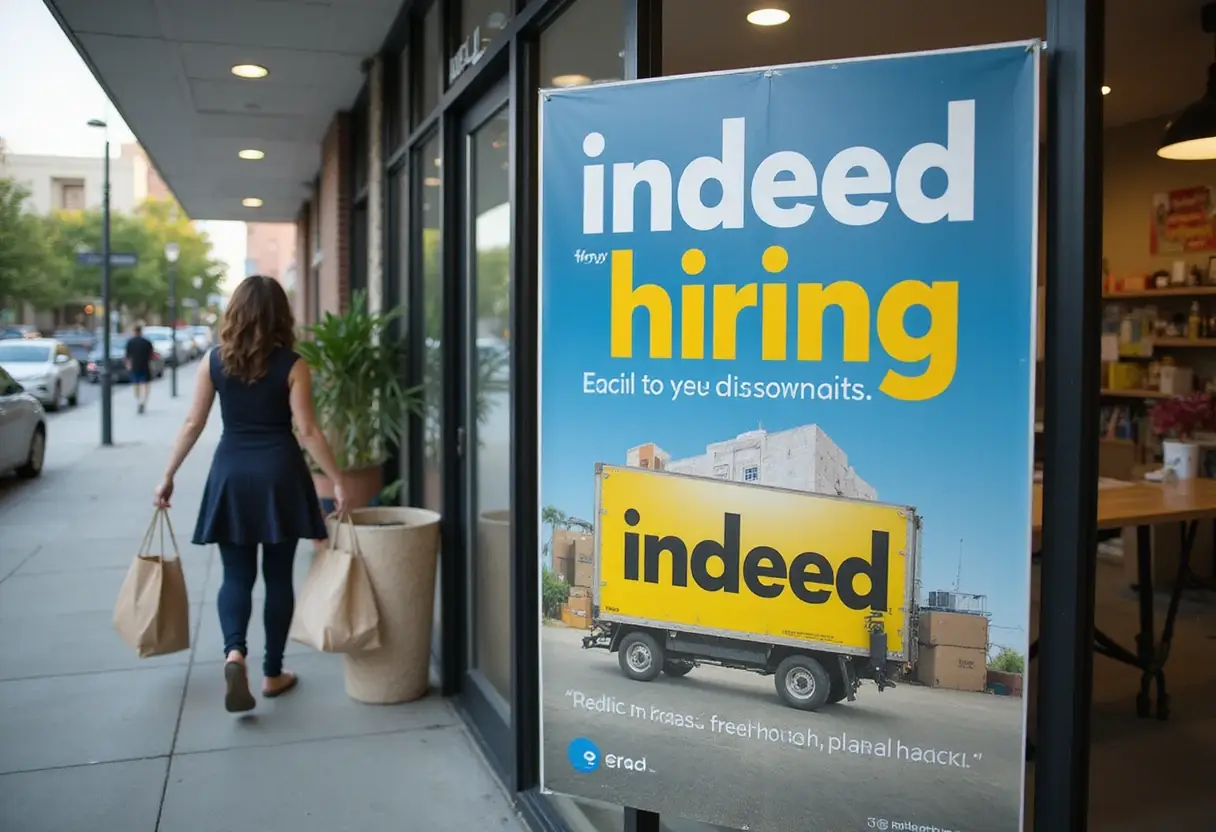
The Indeed Hiring Lab released its US Labor Market Snapshot for June 2026, the monthly read on job postings, posted wages, and turnover across US metropolitan areas.
The June edition continues a format Hiring Lab has refined over years of publication. Each release compiles job-posting data from the Indeed platform, layers in regional breakdowns, and revises prior-month figures. Sample sizes, the data cut-off date, and methodology notes appear at the foot of each release.
Hiring Lab snapshots differ from federal Bureau of Labor Statistics releases in two key ways. They reflect what firms choose to post, not hires firms ultimately make. And they update on a near-real-time cadence, while payroll data carries a longer release lag.
For individual readers, posted-salary growth is the most-watched series inside each snapshot. Hiring Lab reports this as a year-over-year change in the median salary advertised on new postings, not the realized pay of workers already on the job. The distinction matters: advertised pay tends to lead realized pay by a quarter or two.
Application volume per posting, the share of postings that mention remote work, and turnover signals round out the dashboard. Each metric maps to a practical question for a specific audience.
The release typically opens with a national aggregate, then drills down into state and metro figures. Some editions highlight a single sector or role family. Others track a specific demographic cut. Readers who want the raw numbers find them in the appendix tables that accompany each release.
What does the June snapshot mean for a job seeker?
The release lets candidates compare advertised pay across metros in a single read. Posted wages, application volume per posting, and the remote-work share together signal where demand is firmest.
A candidate weighing two offers can also use the snapshot to test the salary component. Posted-pay growth in a target metro tells them whether their offer reflects a rising or flat market. Comparing posted wages to a national median gives a benchmark no single employer will volunteer.
What does it mean for a hiring manager?
Recruiters get a near-real-time benchmark against their own roles. Posting volume, salary norms, and application rates together show whether a job description and price are competitive.
A recruiter posting a role in a tight market can see at a glance whether their salary offer matches the local median. Application rates by metro tell them how aggressively they need to advertise. Turnover signals flag roles at risk of being reposted within ninety days.
What should a reader watch in this release?
Three series tend to move first when the labor market turns: posted-salary growth, application volume per posting, and the remote-work share. A divergence between posted-pay gains and realized-wage gains is a signal worth flagging.
The snapshots sit alongside federal data rather than replace it. BLS captures hires, separations, and unemployment claims. Hiring Lab captures the front end of the funnel, where employer intent shows up first.
Hiring Lab expects to publish its next snapshot in mid-July, covering July 2026 data. Until then, the June release stands as the freshest read on US employer intent.
Source: Google News: Labor market
More from Priya Raman
Show full bio
Market editor covering people, launches and day-to-day practice in Job market data and labor economics at Path & Pay.
535 articles
Go deeper
- Indeed Hiring Lab Releases US Labor Market Snapshot for May 2026
- Indeed Hiring Lab: August 2026 Shows Rebound Without Real Relief
- Indeed Hiring Lab: Job Market Is Shifting Toward Senior Workers
- Indeed Hiring Lab's June 2026 Jobs Report: An Unmoving Tide
- Friday's Jobs Report Arrives With AI Questions Attached