International Visitor Spending to Drop $11 Billion in 2026, Forecast Warns
U.S. Travel forecasts an $11 billion drop in international visitor spending in 2026, with Congress facing a December 11 funding deadline and a 100-million-visitor goal for 2030.
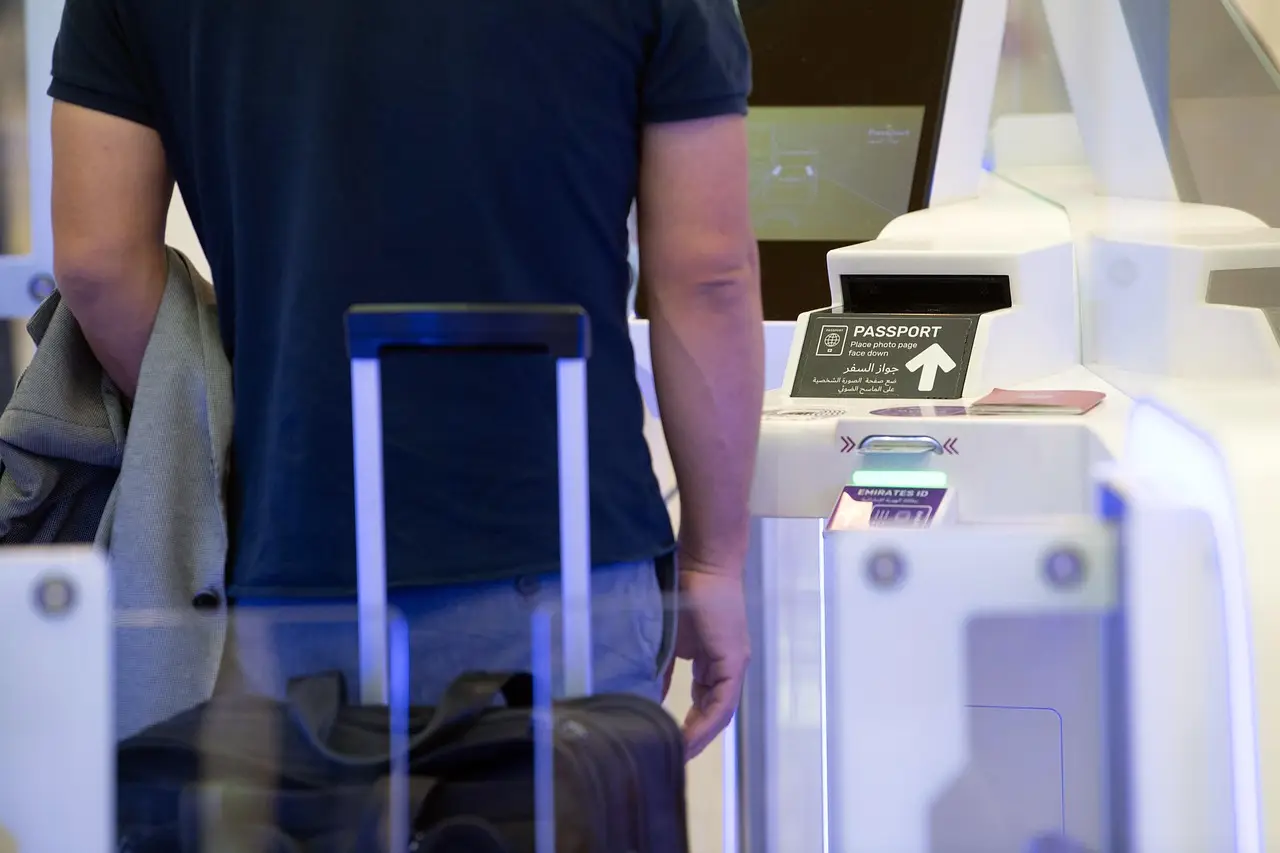
Inflation-adjusted international visitor spending in the United States is projected to fall nearly $11 billion in 2026 — a 6.3% decline to $163 billion, according to the U.S. Travel Association's Fall 2026 Forecast, released two days after the midterm elections and built on Tourism Economics data in constant 2025 dollars.
The drop comes despite record domestic demand. Americans are forecast to take 2.44 billion domestic trips next year, yet total inflation-adjusted travel spending still slips 0.7% to $1.35 trillion.
Travel prices are projected to rise 7.2% in 2026 — more than twice the 3.4% overall inflation rate. International arrivals won't recover to 2019 levels until 2030, and America's share of global long-haul arrivals has already fallen from 10.3% in 2019 to 7.7% in 2026, with a projected slide to 7.1% by 2030.
What does this mean for jobs and local budgets?
Travel supports more than 15 million American jobs and generates $92 billion in state and local taxes, per the U.S. Travel 2025 National Economic Impact data. After a September White House meeting with President Trump, industry leaders proposed a national target of 100 million international visitors annually by 2030. Hitting it could add $68 billion in yearly visitor spending and support more than 350,000 additional jobs.
The $11 billion decline is economic activity at risk across visitor-serving businesses. The association notes it is not a modeled jobs or tax-loss estimate.
Exposure is concentrated in gateway cities. In New York City, international visitors made up roughly half of tourism spending in 2025; all tourism supported 397,000 jobs and $7.5 billion in tax revenue, according to the NYC Tourism + Conventions 2025 report. Miami, Los Angeles, Orlando and San Francisco depend similarly on high-spending overseas guests. Elevated fuel prices are weighing on regional drive markets as more Americans shift toward car travel.
What does Congress need to do?
U.S. Travel CEO Geoff Freeman said: "The election is over, but the economic stakes are only getting higher." He added: "Congress has a December deadline to protect holiday travel and a new year to reverse the loss of international visitors."
The association's agenda has two tracks:
- Before December 11: Pass government funding and enact lasting protections so TSA officers and air traffic controllers receive uninterrupted pay during future funding lapses, reducing the threat of holiday airport disruptions under the next divided government.
- In 2027: Reauthorize Brand USA (the nation's destination-marketing body) at full funding, expand visa processing, cut unnecessary visa fees and entry barriers, and accelerate investment in air traffic control and airport security modernization.
"The current Congress must keep America moving this holiday season. The next Congress must help America compete," Freeman said. "Standing still is not a strategy."
For workers in hospitality, aviation and visitor-serving businesses, the forecast signals softer overseas demand through 2030 absent policy shifts — while the December 11 funding deadline determines whether the holiday travel season runs without Washington-induced disruption.
Source: exhibitoronline.com
More from Tom Whitfield
Show full bio
Senior reporter covering regulation, policy and their impact on Job market data and labor economics at Path & Pay.
543 articles
Go deeper
- Older Americans Are Quitting the Workforce, and AI Is Filling the Gap
- US Jobs Report and Inflation Data Set to Test Fed Rate Path
- US Economy Adds 79,000 Jobs in July, Revelio Labs Reports
- US Jobs Report and Inflation Data Take Center Stage This Week
- September Jobs Report Set to Test US Labor Market Resilience