Irvine City Council Backs Grocery Job Protections During Mergers
Irvine City Council has voted to back job protections for grocery workers at small chains during mergers, extending safeguards to a segment larger laws often skip.
Updated
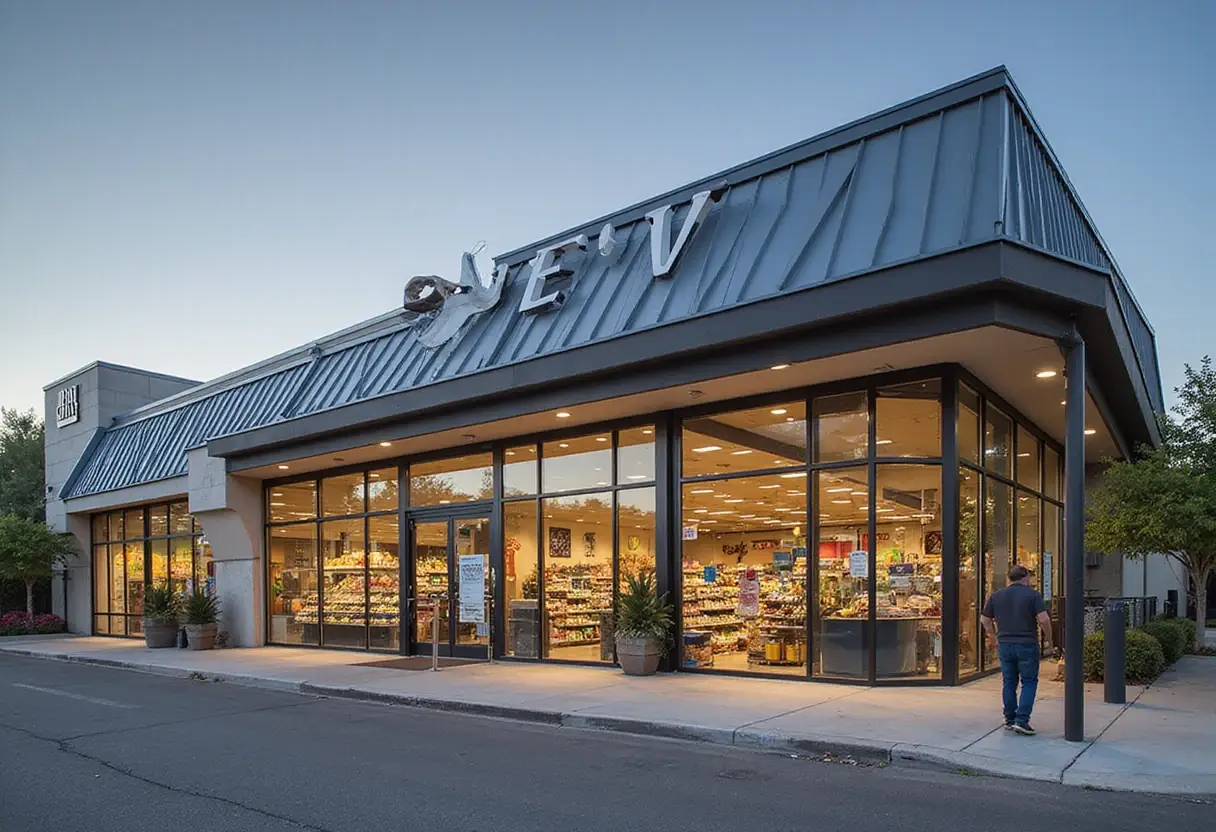
The Irvine City Council has voted to back job protections for grocery workers at smaller chains when those stores change hands through mergers. The decision, reported by the Orange County Register, extends a debate that has mostly played out among large supermarket operators into a segment of the market many workers thought was out of scope.
Council members threw their support behind measures aimed at preserving jobs at small grocery chains during ownership transitions. The move signals that Irvine intends to treat grocery employment as something worth shielding when corporate deals reshape the industry.
What does this change for grocery workers?
For workers at smaller Irvine grocery operators, the council's backing matters because merger-related job losses have historically hit rank-and-file employees first. When a chain is acquired, new owners often restructure staffing, cut hours, or replace existing crews.
Job protections of the kind Irvine is endorsing typically require a transitioning owner to retain existing workers for a defined period rather than dismiss them at the close of a sale. The Orange County Register's reporting centers on how these safeguards would apply to small chains, a category that larger statewide and municipal grocery worker laws have not always covered.
What does this change for an individual stocker, cashier, or department clerk at a small Irvine grocer? If the backed protections move forward, a merger would no longer mean an automatic reset of employment. Workers would keep a claim on their jobs through the transition, rather than negotiating from scratch with a new employer.
A wider pattern in California labor policy
Irvine's vote does not stand alone. California cities have spent recent years testing local ordinances that govern what happens to workers when businesses change ownership — grocery stores chief among them, because consolidation in the sector has been persistent and visible.
The Irvine decision pushes the frame wider. By including small chains, the council acknowledges that grocery mergers are no longer confined to the industry's biggest players, and that workers at modest-sized stores face the same displacement risk as those at major banners.
For employers, the calculus shifts too. Any buyer eyeing a small grocery chain in Irvine will now have to price in retention obligations, which can affect how deals are structured and how quickly they close.
What comes next
The council's backing is a policy signal rather than the final word. Implementation — whether through ordinance language, enforcement mechanics, or covered-employer thresholds — will determine how many workers the protections actually reach.
Workers and operators in Irvine should watch the next council cycle for drafting details, since the practical force of job protections depends on definitions: which chains count as small, how long retention lasts, and what penalties apply when a new owner clears out staff. Until those specifics land, the council's position stands as a marker of intent in a labor-market conversation that keeps widening.
Source: Google News: Job market
More from Priya Raman
Show full bio
Market editor covering people, launches and day-to-day practice in Job market data and labor economics at Path & Pay.
540 articles