Mercedes-Benz Halts All Investment in German Plants
Mercedes-Benz is halting all investment in its German plants and exploring site closures, per a memo to workers seen by Reuters, as manufacturing costs bite.
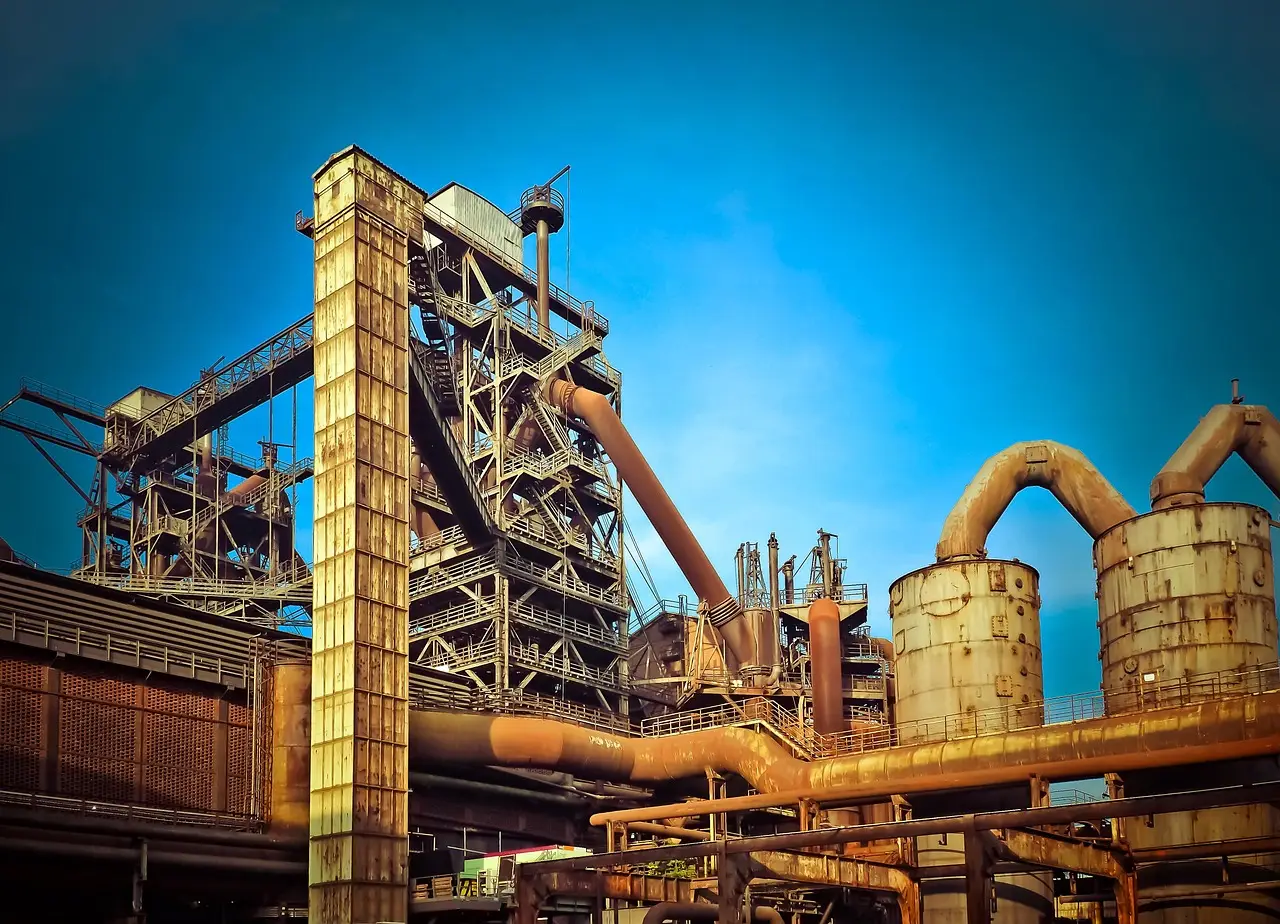
Mercedes-Benz is halting all investments in its German plants and exploring site closures, according to a memo to workers seen by Reuters on Thursday. The premium carmaker's decision targets one problem above all: the high cost of manufacturing cars in Germany.
This isn't a routine budget pause. It's the sharpest signal yet that Germany's flagship industry is in genuine retreat.
What did the memo actually say?
According to the internal memo reviewed by Reuters, Mercedes-Benz is stopping investment across its German plant network entirely. Instead of funding upgrades or expansion at home, the company is weighing closures of sites in Germany.
The driver is structural, not cyclical. The memo frames the decision as a response to the high cost of car manufacturing in the country — a cost base that has now pushed the country's most prestigious automaker to consider walking away from parts of its own production footprint.
For workers at German Mercedes plants, the message is blunt: no new money is coming, and the floor under some sites may be removed altogether.
How does this fit Germany's wider auto crisis?
The Mercedes move escalates a crisis that has been building across Germany's car sector. The same pressures — high domestic production costs and a weakening competitive position — have already triggered the biggest restructuring in Volkswagen's history.
That VW restructuring is itself threatening tens of thousands of jobs, according to Reuters reporting. Germany's auto industry is the country's most important industrial employer, which means plant-level decisions at Mercedes and Volkswagen carry national economic weight.
The pattern is consistent across both companies: premium positioning and brand strength are no longer offsetting the cost of building cars in Germany.
What does this mean for workers and the sector?
If Mercedes proceeds with closures, the impact lands hardest on production workers at the affected German sites. Site closures in manufacturing typically ripple outward — suppliers, logistics providers and local service economies around each plant all depend on it.
The contrast with Volkswagen matters too. VW has already committed to the sector's biggest-ever restructuring. Mercedes was, until now, seen as comparatively stable. A halt on all German investment removes that assumption. Two of Germany's three major carmakers are now actively cutting or questioning their domestic footprint.
For anyone working in German automotive supply chains, the takeaway is simple: the safest planning assumption is that domestic capacity, not demand, is what's being cut.
What comes next?
Mercedes has not named which sites are at risk or set a timeline for closure decisions, according to the Reuters report. The coming months will show whether the investment halt is a negotiating tactic with unions and policymakers or the first step toward shuttering German plants for good.
Source: autospies.com
More from Tom Whitfield
Show full bio
Senior reporter covering regulation, policy and their impact on Job market data and labor economics at Path & Pay.
591 articles
Go deeper
- BMW Targets 20% Cut in Management Roles by Mid-2027: Firstpost
- German Industry Has Shed Nearly Half a Million Jobs Since 2019
- German Industry Study Warns of Rapid Job Losses Ahead
- BMW Brilliance reportedly cuts 1,800 jobs in China amid global plan
- Job Loss in Germany's Carbon-Intensive Sectors Carries a Heavy Price