Microsoft Offers Buyouts to 60,000 Staff as AI Spending Reshapes Labor Market
Microsoft is offering buyouts to 60,000 employees, 27% of its workforce, while reporting $133.7 billion in annual profit and spending over $50 billion a quarter on AI data centers.
Microsoft announced on October 26 that it is offering buyouts to roughly 60,000 employees — about 27% of its global workforce — with workers at vice president level and below facing an early-December deadline and a December 31 exit date for those who accept.
The company frames the program as "voluntary." Chief People Officer Amy Coleman wrote in a staff memo that the offer creates "more ways for employees to shape their next chapter." That framing deserves scrutiny. Microsoft laid off roughly 15,000 workers in 2025 and cut another 4,800 jobs this July. An earlier buyout round this year, offered to about 8,750 long-tenured U.S. employees, drew acceptances from more than 30%. The current offer reaches up to vice presidents, and Microsoft has set no target for how many departures it expects. For an individual employee, the practical calculation is stark: accept now on stated terms, or risk a later layoff on worse ones.
What do the financials show?
The cuts are not a response to distress. Microsoft reported $90 billion in revenue for the June quarter, up 18% year over year and above Wall Street expectations, with profit after all expenses of $35.8 billion, up 31%. Full fiscal-year profit reached $133.7 billion.
Five days before announcing the buyouts, Microsoft's proxy filing with the Securities and Exchange Commission showed CEO Satya Nadella earned $90.6 million in the 2026 fiscal year — 421 times the median employee's pay — including a $10.3 million cash bonus from the board.
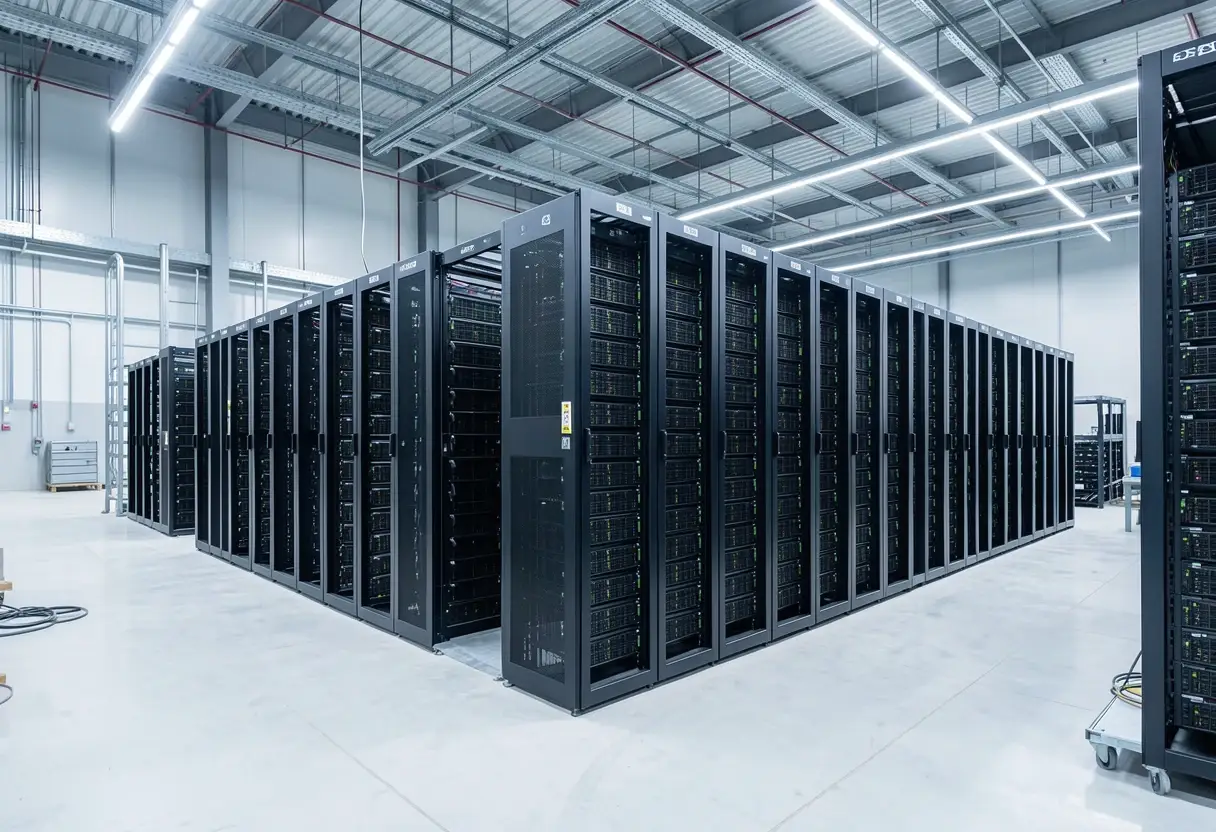
Where the money is going instead: capital spending. Microsoft told investors to expect more than $50 billion in capital spending last quarter, $15 billion more than a year earlier, largely for data centers serving generative AI workloads. Data center workers are excluded from the buyout offer. The spending is straining finances; free cash flow fell 23% year over year in the June quarter.
What happened to the workers already cut?
The July reductions hit the Xbox gaming division hardest. The first wave of 1,600 layoffs there included more than 440 union positions at studios such as Bethesda Game Studios and id Software. The Communications Workers of America, representing more than 3,500 Xbox workers, filed an unfair labor practice charge on July 15, accusing Microsoft of conducting the layoffs without bargaining. At a press conference before the cuts, the CWA stated: "The money is there, leadership is simply choosing where it goes and who pays."
How broad is the AI-driven displacement?
The pattern extends well beyond Microsoft. More than 150,000 workers have lost jobs to AI-driven layoffs so far in 2026, on top of more than 100,000 in 2025, with cuts at Meta and other major tech firms aimed at freeing cash for AI investment or anticipating productivity gains. The International Monetary Fund estimates AI can perform core tasks for around 60% of jobs in advanced economies, with customer service, sales, software engineering, office work, medicine and law among the most exposed — many of them degree-dependent, well-paid roles.
Automation is reaching manual labor too. Amazon's robotics division has set a goal of automating 75% of its operations. Waymo runs fully driverless cars in Atlanta, Austin, Los Angeles, Phoenix and the San Francisco Bay Area, and Aurora operates driverless commercial trucks in Texas. After the Teamsters' 2023 UPS contract, the company cut tens of thousands of jobs and reduced labor hours by about 10%; 68.5% of its domestic package volume now moves through automated facilities, up from 64% a year earlier, with UPS citing $3.5 billion in 2025 cost cuts from its "Network of the Future."
Is the buildout itself sustainable?
U.S. data center construction spending is projected to exceed $10 trillion between 2025 and 2032. Investors expect the buildout to leave the U.S. grid 45 GW short by 2028 — the electricity usage of 32 million people — and three decommissioned nuclear plants, including Three Mile Island, are being restarted largely for Microsoft and Google data centers. More than $500 billion in loans are outstanding, and Bernstein estimates only about 35% of the planned U.S. pipeline is credible; banks such as JPMorgan have reportedly explored selling off their riskiest data center loans. Since ChatGPT launched in November 2022, just 42 AI-linked companies have accounted for 78% of the S&P 500's gains, and tech investment drove roughly 85% of U.S. GDP growth in the first quarter of 2026 and 53% in the second, while the rest of the economy grew 0.5%.
The article's source argues the cumulative bet could trigger a crisis if it fails, and mass displacement if it succeeds; either way, workers holding a December buyout deadline are the first to find out.
Source: Google News: Layoffs
More from Sophie Lindqvist
Show full bio
Staff writer covering regulation, policy and their impact on Job market data and labor economics at Path & Pay.
534 articles