Rivian Wants Robots To Take Over 80% Of Factory Assembly Tasks
Rivian CEO RJ Scaringe says up to 80% of assembly line tasks will be automated via the Mind Robotics spinoff, starting at small scale with no date set.
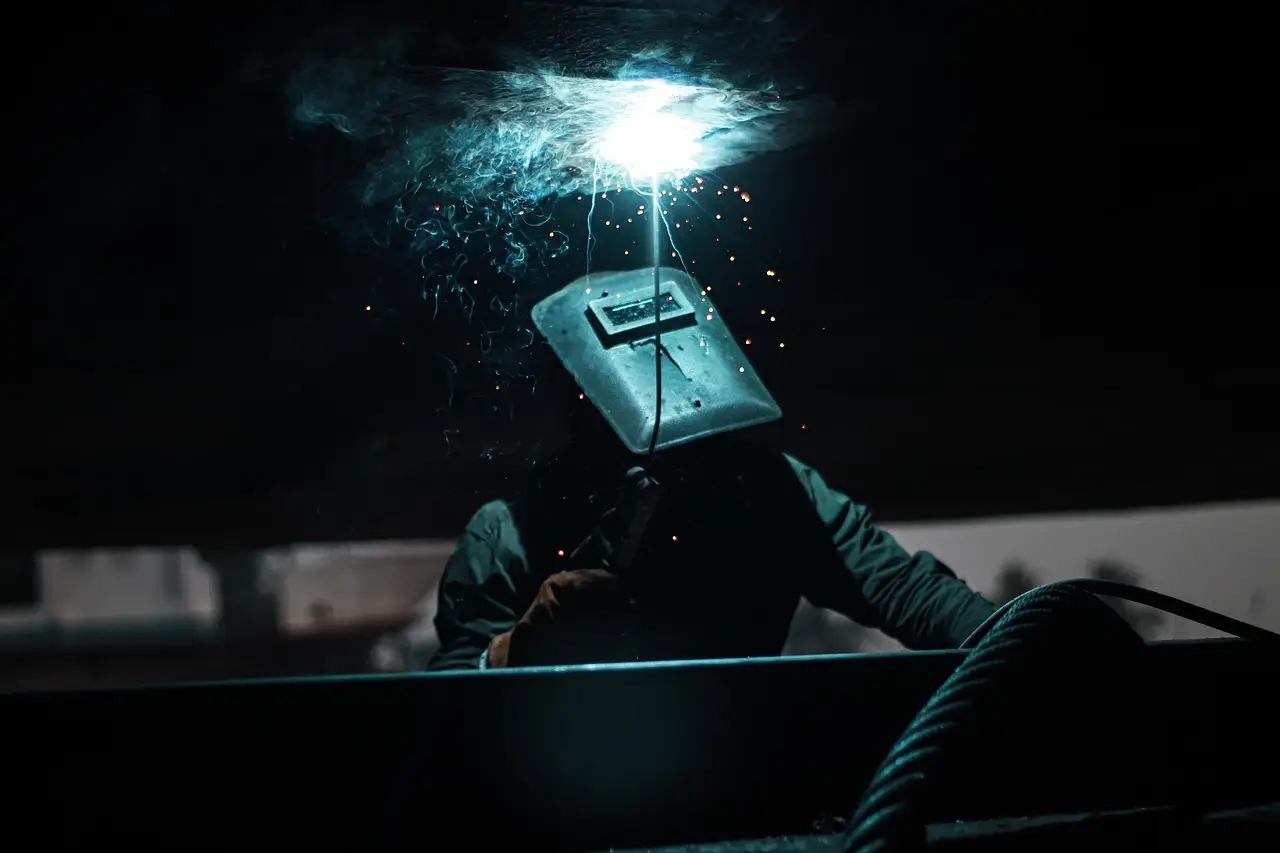
Rivian's CEO says he wants robots handling as much as 80% of the tasks on his company's assembly lines. That figure comes from founder and chief executive RJ Scaringe himself, in an interview with the venture firm Kleiner Perkins, and it's one of the most aggressive automation targets any major automaker has put on the record.
The plan, as Scaringe described it, rests on Mind Robotics, a spinoff Rivian established last year. That unit is the technical engine behind the push. The California-based startup, which builds the R1S, R1T and R2 electric vehicles, hasn't attached a date to the robot rollout. Scaringe did say it will begin at a smaller scale before expanding — which is the usual pattern for factory automation, where a process gets proven on one line before it spreads.
What does 80% automation actually mean?
Here's the mechanism worth understanding. Car plants are already heavily automated for repetitive, high-precision work — welding, painting, stamping. What's typically left for humans is the flexible, judgment-heavy share: fitting odd-shaped trim, routing wiring harnesses, handling variants of a model on the same line. When an executive talks about automating 80% of assembly tasks, they're talking about moving machines into exactly that human territory.
That's why the number is significant. It implies robots dexterous enough to do work that, until recently, resisted automation. It also implies a plant that needs far fewer people per vehicle built — or people redeployed into different roles entirely.
For now, the claim is a target, not a schedule. There's no date, no pilot line named, and no headcount figure attached. Scaringe's own framing — start small, then scale — signals Rivian knows the gap between a headline percentage and a running factory.
What it means if you work in auto manufacturing
If you're on an assembly line at an EV plant, or training for one, the practical read is this: the task mix is shifting. Roles built around repetitive manual assembly are the ones an 80% target aims at first. Roles around robot maintenance, programming, quality inspection and exception-handling become more valuable as machines take over the routine share.
One plant's plan doesn't set the market. But Rivian is watched closely by rivals and by the suppliers who build factory robotics, and a public 80% target from a sitting CEO tends to pull the industry's ambition upward.
Where this goes next
The marker to watch is Rivian's factory floor, not its press coverage: the first Mind Robotics systems running production tasks at small scale, and how quickly Scaringe moves from there toward the 80% figure he's now put on the record.
Source: autospies.com
More from Grace Kim
Show full bio
Correspondent covering money, funding and market shifts around Job market data and labor economics at Path & Pay.
586 articles
Go deeper
- $2 or $35 an Hour: The Robot Cost Question Behind a Multitrillion-Dollar Market
- Automation Created a Training Problem for Industrial Workers
- Figure AI’s night-shift robot coordinator pays $40–$45
- Disney Begins Testing AI Parking Robots at Its Resorts
- Honda Commits $3 Billion to New Ohio Plant, Betting on Hybrids Over EVs