Split Congress Reshapes Hiring Rules: What Recruiters Face Now
Democrats took the House and Senate but lack 67 votes to override vetoes, leaving state AI laws, the $100,000 H-1B fee and DOL policy in sustained uncertainty for employers.
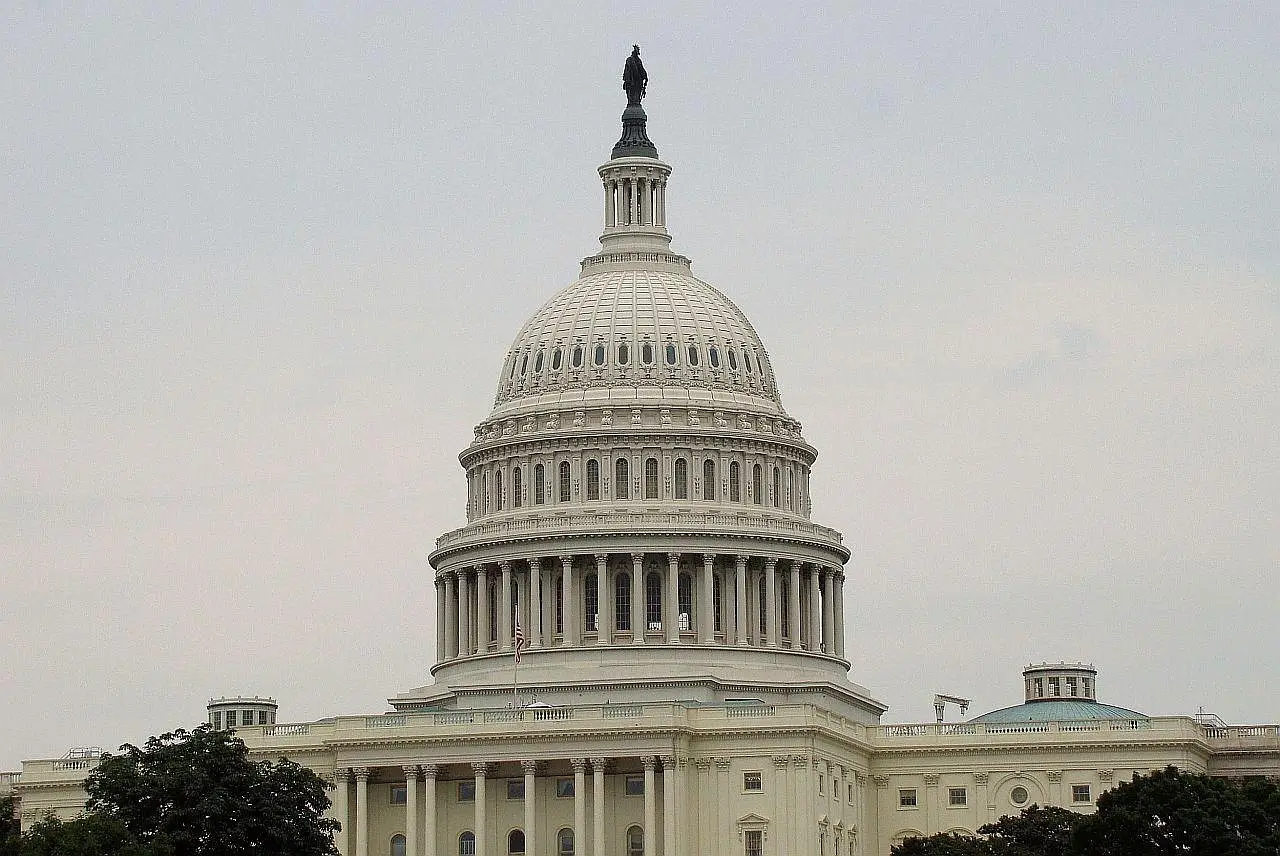
Democrats took the House and the Senate in a rout on election day in the United States, but the strongest number for employers is the one that did not move: the party remains far short of the 67 senators required to override a veto. The result is a split system in which, as one analysis put it, "the parties need each other again." For talent acquisition teams, the day-to-day stays the same; the long-term consequences do not.
Why did the election break this way?
The source is blunt about the cause. This was not an embrace of the Democratic agenda — "they don't have one," the analysis notes. It was a backlash against inflation, a war of choice in Iran and the general chaos of the Trump administration. Democrats hold a stronger majority than most forecasters expected, yet the structural math of the Senate limits what they can enact.
What happens to state AI laws?
Republicans in Congress tried three times to preempt state AI laws, replacing them with a lighter federal standard that would have tied states' hands. That effort is now unlikely to succeed. The practical consequence for recruiters: the patchwork of local rules becomes more relevant, and employers should track the local laws taking effect soon that govern hiring technology.
Where does the H-1B fee stand?
The President's $100,000 H-1B fee presents the sharpest single number in this story. Courts have blocked the fee since July, but a presidential proclamation extended it through September 21, 2027. Employers are not currently required to pay, yet the proclamation remains on the books and an appeals court could reinstate the fee at any time. The scale of its effect so far is small and telling: employers paid the fee for only about 700 people, which Forbes described as a virtual prohibition on new H-1B hiring from abroad. Democrats cannot overturn the proclamation with a veto-proof majority, but they can attach riders to hamper its implementation — a procedural constraint, not a resolution.
Will the AI buildout slow?
AI and data centers have received near-unconditional support from this administration, a position the analysis calls hugely unpopular with voters. Data centers became talking points in Senate races and in the governor's races in Texas, Ohio, Georgia and Pennsylvania. Now that the AI backlash has shown a concrete political price, politicians will pay closer attention. If formerly data-center-friendly regions pump the brakes, the pace of AI development in the U.S. could slow — and China could gain an opening to take the lead.
Who still controls workplace policy?
Leadership at the Department of Labor and the EEOC is appointed by the administration, so the thousands of routine policies — and a few hot-button culture war fights the President has chosen — will continue to be driven from the White House. The caveat follows the promise: the administration must shift its own policies in response to a very clear message from voters, and there will be change within it because of this election, whether officials admit it or not.
For individual recruiters, the near-term read is this: assume state-level compliance work, plan for H-1B cost contingencies, and expect federal labor enforcement to bend gradually rather than break.
Original: apnews.com
More from Sophie Lindqvist
Show full bio
Staff writer covering regulation, policy and their impact on Job market data and labor economics at Path & Pay.
534 articles