Vietnam's Green Transition Is Reshaping Its Labor Market
Vietnam's green transition is adding jobs in renewables and clean production, but workers in energy-intensive and automation-exposed roles risk falling behind without retraining, Laodong.vn reports.
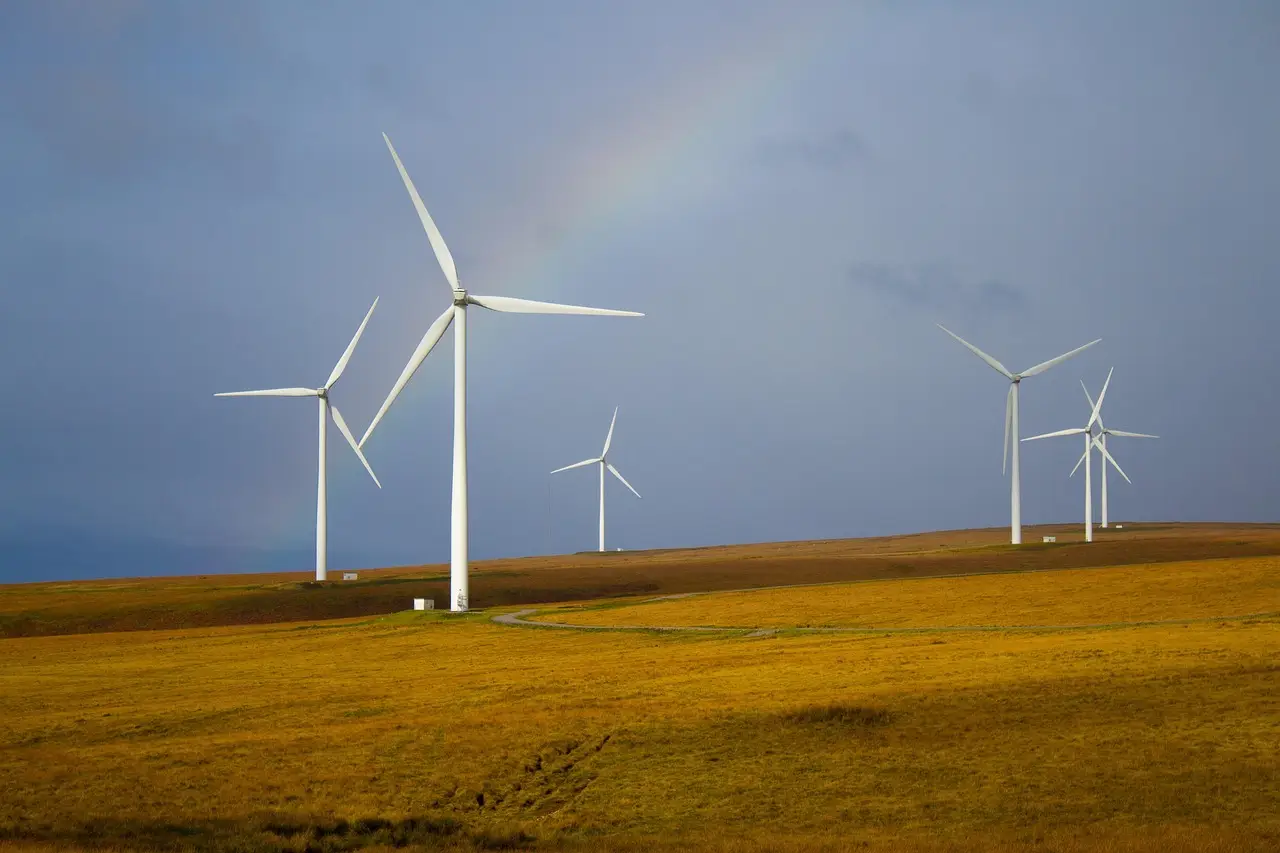
Vietnam's green transition is creating jobs faster than workers can retrain for them, and that gap is now the defining labor-market issue of the shift. Sectors such as renewable energy, the circular economy (an economic model that keeps materials in use through recycling and reuse), clean production, waste management and green transportation are all adding positions, according to a report from Vietnamese labor outlet Laodong.vn.
The piece offers a qualitative rather than statistical picture, but it names the pressure points precisely: manufacturing demand, skill gaps and displacement risk.
Where the green hiring demand sits
At manufacturing enterprises, demand for green human resources is rising in specific roles. Employers want people who can operate energy-saving equipment, control raw materials, reduce emissions and apply technology to optimize processes.
Le Trong Linh, Head of the Business Development Department at VSD Holdings Group, frames the shift as both opportunity and obligation. "The green transformation and application of technology are posing new requirements for businesses as well as employees," he said, describing new positions tied to technology, management and resource optimization.
The individual takeaway: the jobs exist, but they cluster at the intersection of technical skill and sustainability knowledge, not in traditional production roles.
What does the dual transition demand from workers?
Vietnam is running green and digital transformation in parallel. Automation and artificial intelligence help firms save energy and raw materials while raising production efficiency. The cost is structural: some traditional jobs are shrinking, while new positions demand higher professional and technological skills.
Dr. Trinh Quoc Dung of the Faculty of Thermal Energy at Hanoi University of Science and Technology's Mechanical School sets the bar for candidates. Promoting efficient energy use and green technology, he said, requires human resources with professional knowledge, technology access and the ability to solve practical problems. Workers must master their specialty, but also understand energy saving, efficient resource use and how to reduce environmental impact.
In practice, the report argues, green skills and digital skills now overlap. Competitive candidates know how to use technology in their work, analyze data, operate modern equipment and cut resource consumption and emissions.
Who is most at risk?
The report identifies the exposed groups directly: people in energy-intensive industries, high-emission sectors and roles vulnerable to automation. They may face real difficulty if they are not retrained in time. That is the displacement edge of the transition, and it lands on workers with the least transferable technical base.
Dr. Trinh's prescription is systemic rather than individual. Green employment development, he argues, needs to go hand in hand with training policies, skills improvement and career-change support. Vocational education institutions must update programs to match actual industry needs, while businesses should strengthen on-site training so workers can access new technologies and adapt to green production processes.
Job quality, not just job count
The report also pushes back on a pure headcount view of green employment. Green jobs should be assessed on quality, working conditions and long-term development opportunities, not just volume. Workers, it argues, need guaranteed rights, lifelong learning opportunities and support when technology transformation changes or eliminates their roles.
For an individual weighing a move, that means scrutinizing whether a green role offers durable skills, not only a fresh title.
The forward view from Laodong.vn: green and digital transformation will keep shaping Vietnam's labor market in the coming years, and if businesses innovate proactively, training institutions align with real demand and workers acquire the skills, green jobs can drive higher human-resource quality and a more sustainable economy.
Source: Google News: Labor market
More from Tom Whitfield
Show full bio
Senior reporter covering regulation, policy and their impact on Job market data and labor economics at Path & Pay.
543 articles
Go deeper
- 2,600 Workers Left Can Tho for Overseas Jobs in Ten Months
- World Economic Forum Sets Out Four Steps to Close the Green Skills Gap
- Six Skills Gap: Vietnamese Graduates Miss Employers' Marks
- Vietnam Turns Focus to Safeguarding Outcomes for Overseas Workers
- Green Skills Gap: The Problem Is Delivery, Not Funding