US Trucking Layoffs Begin as Diesel Costs Squeeze Carrier Margins
Newsweek reports US trucking companies announcing mass layoffs tied to rising diesel fuel costs, reframing the post-pandemic driver labor market toward fuel economics over freight demand.
Updated
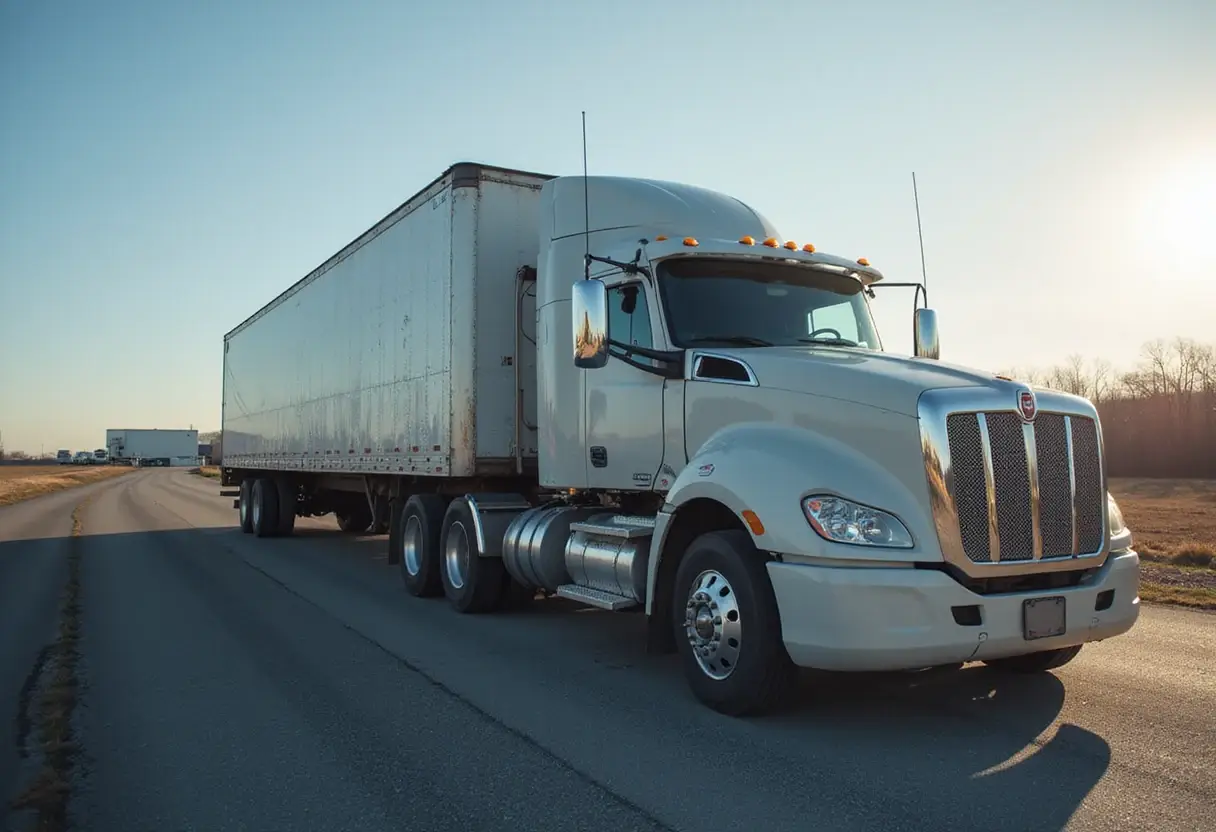
Newsweek reported this week that US trucking companies have begun announcing mass layoffs, attributing the move to rising diesel costs that are squeezing carrier margins.
The development marks a notable reversal for a sector that spent much of the post-pandemic period recruiting aggressively. For US truck drivers and logistics workers, the report reframes a labor market that had tilted toward drivers back into one where fuel economics again drive headcount decisions.
Why diesel pressure becomes driver layoffs
Diesel fuel is the largest variable cost for most long-haul carriers. When pump prices climb faster than contracted freight rates, fleets respond first by trimming miles, then by parking trucks, and ultimately by releasing drivers.
The Newsweek report frames fuel, not freight demand, as the trigger. That distinction matters for workers: a demand-driven downturn typically brings broader, slower layoffs, while a cost-driven squeeze concentrates job losses among the most expensive assets — which in trucking are the drivers themselves.
What drivers and logistics workers should track
The Newsweek announcement carries several signals worth watching:
- Carrier type: Layoffs at large national fleets have wider ripple effects than those at regional or specialized operators.
- Lane conversion: Dedicated routes may shift to spot-market freight, increasing income volatility for owner-operators and company drivers alike.
- Endorsement value: CDL-A drivers with hazmat, tanker, or oversized-load credentials historically hold their ground longer during fuel-driven downturns because those freight categories face tighter regulatory substitution.
- Geographic spread: Long-haul corridors running through fuel-sensitive regions will likely see deeper cuts than last-mile and regional operations.
Career positioning when fuel, not freight, drives layoffs
Workers considering their next move should weigh several factors:
- Regional and dedicated routes typically offer more stable utilization than long-haul when national fleets contract.
- Logistics roles outside the cab — dispatch, fleet management, safety — usually face hiring freezes before headcount reductions, as carriers protect institutional knowledge through the first cost cycle.
- CDL-A holders with flexible geographic preferences retain more options as layoffs concentrate in specific corridors.
- Owner-operators face the steepest exposure because they absorb fuel-cost shocks directly, whereas company drivers may be shielded by carrier hedging programs.
Forward outlook
Whether this becomes a short margin squeeze or the opening phase of a deeper freight contraction depends on two factors Newsweek's reporting will likely clarify: the size and geography of the announced layoffs, and whether carriers are parking equipment or releasing drivers. For now, the signal is that US trucking's recent hiring tailwind has yielded to fuel economics, and workers in the sector should prepare for a more selective hiring environment through the coming quarters.
Source: Google News: Layoffs
More from Priya Raman
Show full bio
Market editor covering people, launches and day-to-day practice in Job market data and labor economics at Path & Pay.
540 articles